Blog

Why Is a Reliable Power Supply Important?
A reliable Power Supply keeps homes, workplaces, and essential services operating with fewer interruptions. When electricity drops, even briefly, routers disconnect, production lines pause, and stored data may be lost. Small interruptions matter. Stable voltage and frequency help sensitive equipment operate within its designed limits. Capacity matters too: a system that cannot meet peak demand may fail when several devices start together. In practice, reliability also depends on sound wiring, suitable protection, regular inspection, and a backup plan. Backup power can bridge an outage, but it must be sized and maintained for the actual load. That detail is often overlooked.
Reliability is not merely a comfort issue. In clinics, server rooms, workshops, and ordinary kitchens, a stable supply supports safety, continuity, and predictable work. Yet no source is perfect. Grid conditions, weather, aging components, and incorrect installation can all affect performance. Choosing a generator, battery system, or uninterruptible power supply therefore calls for more than comparing advertised runtime. Check the equipment’s real power needs, expected outage duration, installation requirements, and maintenance schedule. Manufacturer specifications and qualified electrical advice offer stronger guidance than assumptions or a single impressive feature. It is tempting to treat reliability as an all-or-nothing promise; it is better understood as risk reduction. A dependable Power Supply does not eliminate every interruption. It makes disruptions less likely, less damaging, and easier to manage. That distinction deserves attention.
Read more »
 By:Clara
- November 5, 2026

What Is a DC Power Supply?
A DC Power Supply converts incoming electrical energy into direct current with a controlled voltage, current, or both. That sounds simple. In practice, the right supply depends on the load, operating range, ripple tolerance, and protection needs. A benchtop unit may show stable readings while a fast-changing load reveals brief voltage dips. Those details matter in laboratories, repair benches, production lines, and embedded-system testing.
Electrical engineer Tony Kuphaldt’s instructional work explains power-supply operation through practical circuit behavior. In paraphrase: a supply must provide the voltage and current a circuit requires, while keeping its output within intended limits. That principle is useful, but not the whole story. Cables, connectors, heat, and load changes can all affect performance. A display alone cannot prove that a supply is suitable.
This guide outlines how a DC Power Supply works, what its key specifications mean, and how common types differ. It also examines current limiting, regulation, ripple, and safety features, with practical selection points for real setups. A useful supply is not always the most powerful one. Sometimes the smaller, quieter model is the better fit. Readers should still check the manufacturer’s datasheet and verify measurements under their actual operating conditions. That extra check can feel tedious, but skipping it can leave important assumptions untested.
Read more »
 By:Evelyn
- November 5, 2026
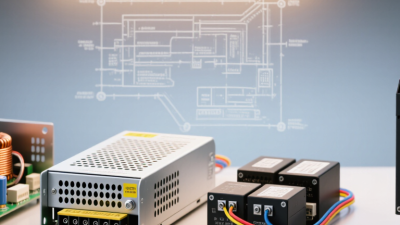
What Are the Top Types of AC DC Power Supplies?
Choosing an AC DC Power Supply begins with a practical question: what must the equipment power, and under what conditions? A compact router, a factory controller, and a medical instrument place very different demands on conversion, protection, and packaging. The right choice affects more than voltage. It can influence heat, electrical noise, installation space, and long-term reliability.
Power electronics researcher Robert W. Erickson and coauthor Dragan Maksimović describe power electronics as the technology of efficiently converting, controlling, and conditioning electric power. That principle helps explain why no single supply type suits every job. Linear designs can offer quiet output, while switched-mode supplies often deliver higher efficiency in a smaller enclosure. Isolated and non-isolated models serve different circuit and safety needs. Open-frame, enclosed, DIN-rail, and modular supplies also fit distinct installation environments. The labels can blur. Real applications are rarely tidy. Comparing these types means looking closely at load behavior, input range, output stability, cooling, and available space—not just the numbers on a datasheet. This guide introduces the main AC DC Power Supply types and the trade-offs that matter when selecting one. It also leaves room for a useful caution: published specifications do not replace testing in the actual system. A supply that looks ideal on paper may run hot, create unwanted noise, or prove awkward to mount. Practical details count.
Read more »
By:Evelyn
- November 5, 2026