Featured Industrial Waterproof AC-DC & DC-DC Lithium Chargers
From micro-mobility fleets across Market Street to electric passenger ferries crossing the Golden Gate Strait, our fully encapsulated chargers deliver rigorous CC/CV profile regulation, internal active PFC, and long-term resistance against salt-fog corrosion.

Smart 36V Lithium Battery Charger DC 12V to DC 43.8V 13A
- TopologyWide-Input DC-DC Boost
- Absorption Voltage43.8V Fixed CC/CV
- Output Current13 Amperes Continuous
- Ingress RatingIP67 Fully Potted
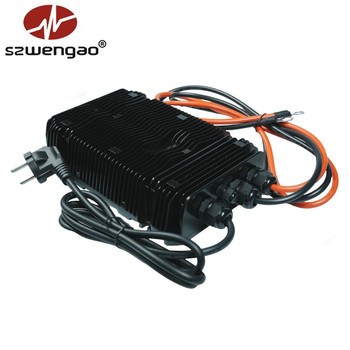
600W AC-DC Heavy-Duty Industrial LiFePO4 Charger
- AC Mains Input90VAC – 264VAC Universal
- Configurable Output14.6V / 29.2V / 58.4V
- Power Efficiency≥ 93.5% at Full Load
- Safety CertificationsCE, RoHS, FCC Class B
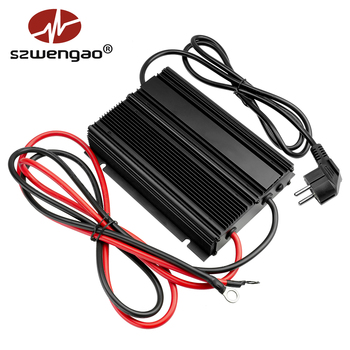
Multi-Bank 600W Waterproof Marine & AGV Charger
- Nominal Voltage12V / 24V / 36V / 48V Auto
- Enclosure RatingIP68 Submersible Die-Cast
- Protection LayerOVP, OCP, OTP, Reverse Polarity
- Thermal DissipationConvection Thermal Dissipation
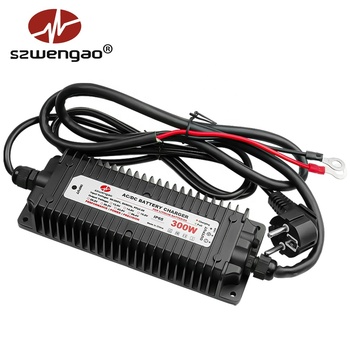
300W Marine Waterproof Portable AC-DC Charger
- Input PlugNEMA 5-15P (US 3-Pin Standard)
- Output ChannelsSingle / Dual Bank Isolated
- Resin PottingUL94V-0 Fire-Retardant Epoxy
- Target Cells4S to 16S LiFePO4 & Li-Ion
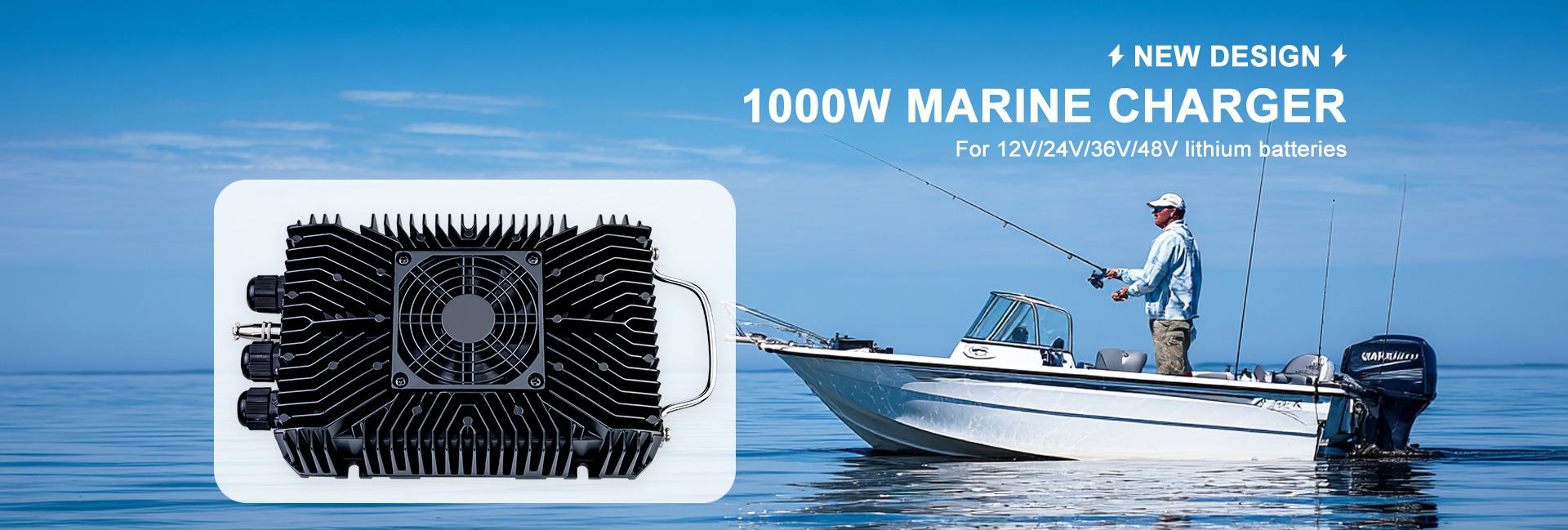
1000W IP65/IP67 Fleet Fast Charger Module
- Continuous OutputUp to 50A Current Delivery
- PFC Factor≥ 0.98 (Active Power Correction)
- CommunicationCAN2.0B / Isolated RS485
- Vibration ResistanceMIL-STD-810G Structural Spec

1500W Smart Voltage Stabilizer & Battery Charger
- Operating DC In10VDC – 60VDC Ultra-Wide
- Regulated Rails12V / 24V / 28V / 48V Programmable
- Digital TelemetryReal-Time RS485 Modbus RTU
- EnclosureHeatsink Integrated Extrusion
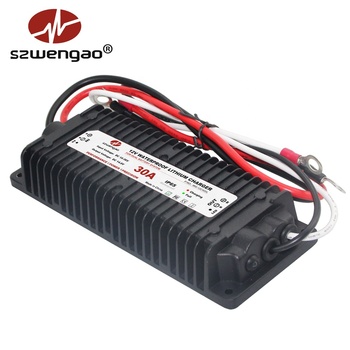
400W Dual-Bank Auxiliary LiFePO4 Power Station
- Input Tracking10V – 36V Alternator Safe
- Dual ProfileGel, AGM, and LiFePO4 Selectable
- Ignition SensingSmart Euro 6 / EPA Smart Alternator
- EncapsulationIP67 Corrosion-Resistant Alloy
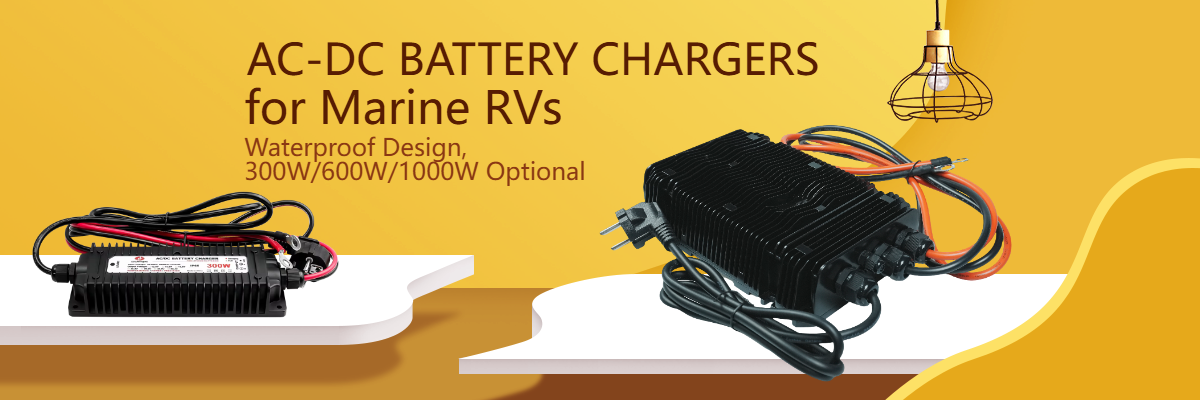
Custom OEM Turnkey Lithium Charger Platform
- Power Envelope100W to 3500W Made-to-Order
- Custom FirmwaresProprietary BMS CAN Protocols
- Private LabelingLaser Etching, Custom Wire Looms
- Rapid Sampling5-Unit Engineering Batch Support
San Francisco Bay Deployment Scenarios: Coastal Resiliency Meets Clean Fleet Directives
Deploying power conversion equipment across the San Francisco Peninsula, Silicon Valley, and the East Bay demands specialized engineering solutions capable of resisting aggressive marine condensation while complying with California's stringent energy efficiency benchmarks.
SF Bay Maritime, Ferries & Pleasure Craft
From the Port of San Francisco and Fisherman's Wharf to Sausalito and Richmond marinas, maritime vessels face aggressive salt fog (Karl the Fog) and high humidity cycles. Eltrum's IP68 vacuum-potted AC-DC chargers eliminate galvanic corrosion on internal magnetics, providing automated CC/CV 3-stage charging for 12V, 24V, and 36V LiFePO4 house battery systems without sparking or thermal runaways.
Silicon Valley Autonomous AGVs & Robotics
Robotics innovators in South San Francisco, Sunnyvale, and San Jose develop Automated Guided Vehicles (AGVs) and sidewalk delivery units operating in variable climates. Our high-density 600W to 1500W chargers feature CAN 2.0B integration, allowing host robotic controllers to dynamically command voltage trim, read cell temperature feedback, and execute opportunistic micro-charging routines safely.
Municipal EV Service Vans & Camper Conversions
Urban delivery transit fleets and nomadic camper conversions traversing Highway 1 and San Francisco's steep urban grades require auxiliary lithium battery charging that survives severe vibration. Our DC-DC battery-to-battery charging modules draw efficiently from Euro 6 / EPA smart alternators without causing alternator diode overheating, stepping up to accurate 14.6V or 29.2V thresholds.
Distributed Off-Grid Solar & Telecom Racks
Across Marin Headlands wireless transmission sites and remote wine country monitoring stations in Sonoma and Napa, fluctuating grid rails and erratic DC inputs demand rugged stabilization. Eltrum isolated buck-boost converters and AC-DC chargers maintain an ultra-tight ±1% regulation window, mitigating the brownout vulnerabilities inherent to coastal distributed energy resources (DERs).
Thermodynamic Potting & Resonant LLC Conversion Topologies
Traditional open-frame battery chargers degrade rapidly in Northern California's marine-adjacent industrial zones. Ambient sodium chloride particulate coupled with rapid diurnal condensation swings induces dendrite growth across exposed PCB traces, triggering catastrophic short-circuits.
Eltrum solves this vulnerability through two core hardware engineering pillars:
1. Dual-Component Polyurethane Potting: By vacuum-injecting industrial-grade thermally conductive resin, our assemblies achieve complete void-free encapsulation. The matrix yields a thermal conductivity metric of ≥1.2 W/m·K, routing core heat out to the extruded aluminum heat sink while delivering absolute IP67/IP68 environmental isolation.
2. LLC Half-Bridge Resonant Converter Topology: Unlike lossy hard-switching topologies, our resonant architecture enables Zero Voltage Switching (ZVS) across the entire load spectrum. This dampens electromagnetic interference (EMI), reduces thermal losses, and delivers peak electrical conversion efficiencies up to 94.5%.
Industrial Performance Benchmark: Standard Chargers vs. Eltrum Potted Tech
A granular engineering comparison showing why tier-one Bay Area system integrators replace commercial-grade off-the-shelf units with our heavy-duty potted AC-DC charging hardware.
| Critical Engineering Parameter | Conventional Commercial Charger | Eltrum IP67/IP68 Industrial Series | Operational Advantage in SF Bay |
|---|---|---|---|
| Enclosure Protection | Louvered vent holes, IP20 / IP21 | Hermetically potted, IP67 / IP68 sealed | Zero Salt-Mist Ingress |
| Thermal Management | High-RPM sleeve fans (intake grime) | Pure conduction heatsink or sealed liquid cold-plate | Silent, fanless, zero mechanical wear |
| Power Factor Correction | Passive or Non-PFC (PF ∼ 0.65) | Active PFC (≥ 0.98 at rated load) | Meets California CEC Title 20 mandates |
| LiFePO4 Charging Algorithm | Coarse 2-stage or lead-acid fallback | Microprocessor CC/CV with dynamic float cutoff | Prevents lithium copper plating & dendrites |
| Galvanic Isolation | Non-isolated or 1000VAC Basic | ≥ 3000VAC Optocoupler + Magnetics | Stops dangerous vessel hull galvanic ground loops |
| Vibration & Shock Rating | Consumer standard (< 2G peak) | MIL-STD-810G compliant (> 10G peak) | Withstands rough Bay maritime chopping & AGV jolts |
San Francisco & California Policy Drivers Shaping Battery Procurement
Industrial purchasing in the San Francisco-Oakland-Hayward metropolitan statistical area is governed by some of the most aggressive environmental and energy codes in the world. As local enterprises decarbonize operations under local and state clean power mandates, choosing compliant charging equipment is paramount.
1. California Title 20 Appliance Efficiency
California Energy Commission (CEC) Title 20 enforces strict limits on battery charger standby power and active charging efficiency. Eltrum chargers feature sub-watt idle consumption and ultra-high efficiency topologies that comply with California's state-wide appliance efficiency rules.
2. CARB Zero-Emission Mandates
The California Air Resources Board (CARB) has established zero-emission rules for commercial harbor craft (CHC) and airport ground support equipment (GSE). Electrifying these demanding operations requires robust AC-DC chargers that survive brutal, repetitive charging regimes in outdoor berths.
3. SF Climate Emergency Action Plan
San Francisco's blueprint calls for 100% zero-emission ground transport by 2040. Fleet operators transition light, medium, and specialized vocational vehicles to LiFePO4 chemistry. Our IP67 onboard chargers provide the ruggedized footprint needed for heavy-duty daily utility vehicle duty.
Shenzhen Eltrum Electronic Co., Ltd. Direct Factory Advantages
Founded in 2015, Shenzhen Eltrum Electronic operates an agile, onsite-verified manufacturing footprint specializing in high-reliability power modules, isolated converters, and potted lithium battery chargers for clients in North America and globally.
End-to-End Vertical Manufacturing & Quality Rigor
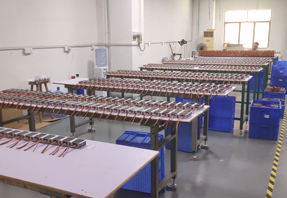
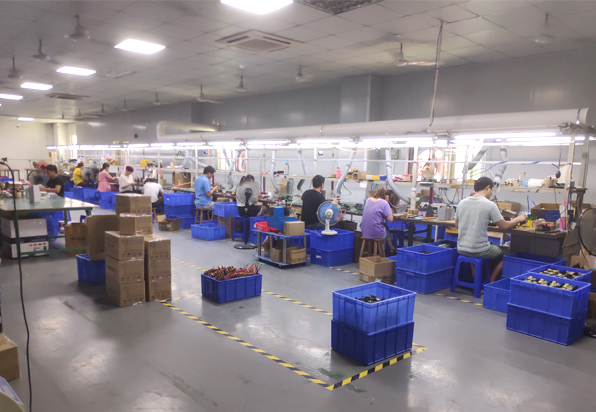
Headquartered in the Hangcheng industrial cluster of Shenzhen, our facility integrates high-speed SMT placement lines, automated transformer winding, computerized vacuum potting chambers, and multi-bay thermal aging stations.
Unlike trading intermediaries, our in-house engineering team controls every schematic layer and firmware commit. For San Francisco design engineers prototyping next-generation autonomous fleets or maritime vessels, we offer unmatched collaboration:
- Direct Customization of CC/CV Charging Parameters: Custom voltages (14.6V, 29.2V, 43.8V, 58.4V, or custom thresholds for NMC / LTO chemistries) with accurate termination current tuning.
- Low Minimum Order Quantities (MOQ from 5 Units): Validate proof-of-concept prototypes before issuing full container volume commitments.
- Rigorous 100% Full-Load Burn-In Testing: Every unit undergoes 4-hour dynamic burn-in cycles at elevated temperatures before dispatch to eliminate early component mortality.
- Comprehensive Regulatory Alignment: ISO 9001:2015 quality management procedures, with CE, RoHS, and export test reports readily available.
Frequently Asked Questions by San Francisco Bay Area Engineers
Direct answers to the most common technical, logistics, and testing questions posed by Bay Area hardware architects, supply chain directors, and OEM system builders.
Accelerate Your San Francisco Lithium Electrification Project
Whether you require standard 14.6V 600W marine chargers or proprietary 48V CAN-controlled robotics power modules, our application engineering team delivers rapid technical evaluations, CAD step files, and validation samples within days.