High-Performance Vehicle DC-DC Converters & Chargers
Tested for intense tropical humidity, severe road vibrations, and wide battery voltage variations across Lao transportation corridors.

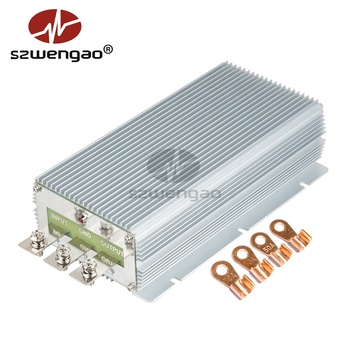
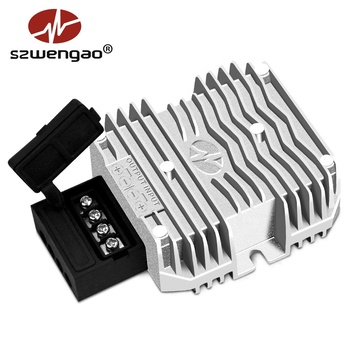

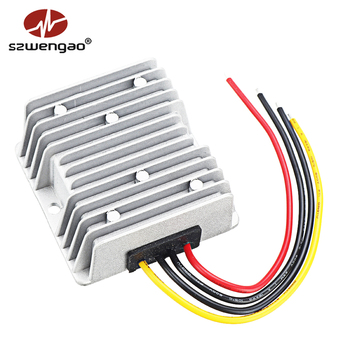
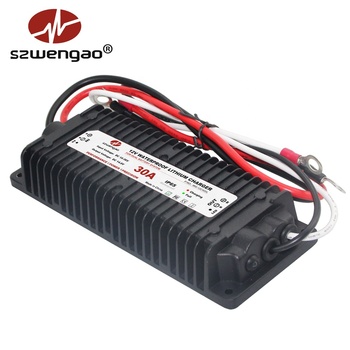
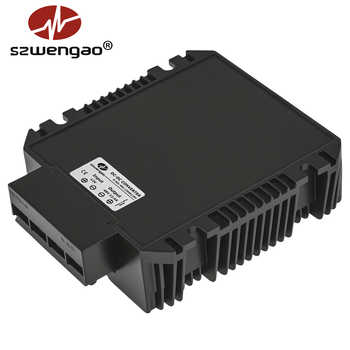
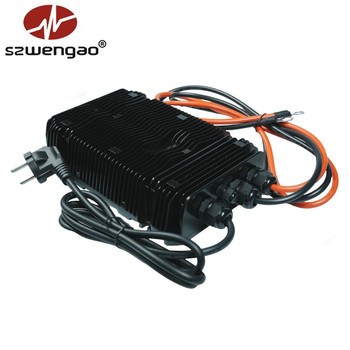
Strategic Overview: Electric Mobility Evolution & Power Architecture in Laos
The Lao People's Democratic Republic represents one of the most uniquely positioned energy markets in Southeast Asia. Traditionally characterized as the "Battery of Southeast Asia" due to its massive hydroelectric generation capacity along the Mekong River basin, Laos has officially enacted bold national targets aiming for 30% electric vehicle penetration across all vehicle segments by 2030. However, converting surplus national hydropower into clean, operational transportation requires advanced, ruggedized power conversion hardware. For system integrators, municipal bus retrofitters, mining operators, and commercial vehicle distributors operating in Vientiane, Luang Prabang, Savannakhet, and Champasak, vehicle-grade DC-DC converters represent the indispensable technological bridge that guarantees electrical safety and operational longevity.
Automotive electrical topologies are experiencing rapid structural transformation. In conventional internal combustion engine (ICE) vehicles, low-voltage 12V or 24V lead-acid batteries directly energized lighting, sensors, telematics, and cabin amenities. In modern low-speed electric vehicles (LSEVs), electric passenger cars, electric municipal buses, and electrified agricultural haulers, primary energy storage consists of high-voltage LiFePO4 or NCM battery traction packs running at 48V, 60V, 72V, 96V, or higher. A vehicle DC-DC converter performs the fundamental mission-critical function of converting unstable traction pack voltages down to regulated 12.2V, 13.8V, or 24.0V direct current to drive steering assistance systems, electronic brake boosters, pneumatic valves, digital telematics, GPS navigation units, and LED lighting arrays. Without industrial-grade galvanic isolation and high-speed switching regulation, transient line surges from regenerative braking or motor inverter load dump can catastrophically destroy sensitive auxiliary electronics.
Furthermore, the physical geography and infrastructural realities of Laos present harsh environmental challenges to electronic components. Ambient summer temperatures regularly exceed 42°C, accompanied by relative humidity levels climbing above 90% throughout the prolonged tropical monsoon season from May to October. Unpaved arterial roads connecting agricultural provinces generate pervasive fine particulate dust, while sudden monsoon floods submerge vehicle undercarriages. Standard commercial electronics degrade rapidly through moisture ingress, electrochemical corrosion, and solder-joint fatigue triggered by mechanical oscillation. As a dedicated OEM/ODM manufacturer, Shenzhen Eltrum Electronic Co., Ltd. builds vehicle DC-DC power modules equipped with solid aluminum alloy extrusion chassis, full silicone or polyurethane thermal potting, and IP67/IP68 ingress ratings specifically tailored to endure these extreme tropical conditions.
Localized Vehicle Application Scenarios Across Laos
Tailored power conversion engineering addressing the rigorous demands of domestic transport, mineral extraction, and regional cross-border commerce.
Urban E-Tuk-Tuks & Tricycles (Skylab)
In municipal hubs like Vientiane and Pakse, traditional gasoline "Jumbo" and "Skylab" three-wheelers are rapidly transitioning to 48V, 60V, and 72V lithium battery architectures. Eltrum's high-efficiency buck converters (30–90V input down to 12V 15A/20A) power vehicle turn signals, digital fare meters, headlights, and sound accessories, eliminating auxiliary battery weight while extending daily operating range by up to 14%.
China-Laos Railway Logistics Intermodal Vans
The operational expansion of the Boten–Vientiane Railway corridor has accelerated short-haul container drayage via electric delivery vans and refrigerated light trucks. Our 10–60V and 18–90V buck-boost stabilizers ensure that constant 12V/24V power flows to telematics trackers, IoT sensors, cabin thermal management controllers, and barcode telemetry systems regardless of harsh voltage drops during vehicle acceleration.
Heavy Mining Haulage & Quarry Machinery
Operations in copper, gold, and bauxite concessions throughout Khammouane and Savannakhet utilize heavy diesel-electric equipment operating in dusty, high-vibration terrain. Our isolated DC-DC converters (with 1500V galvanic isolation) isolate engine starter electrical noise and voltage spikes from mission-critical CAN-bus controllers, emergency communications radios, and remote telemetry modules.
Mekong River Commercial Electric Barges
Clean water transport initiatives along the Mekong River between Huay Xai and Luang Prabang require marine-grade dual-battery DC-to-DC chargers. Eltrum's fully potted, waterproof battery-to-battery charging modules intelligently manage 24V or 48V electric motor battery banks, channeling precise CC/CV charging curves into auxiliary 12V LiFePO4 batteries powering sonar, radar, and navigation safety transponders.
Rural Off-Grid Agricultural Utility Vehicles
Lao farming cooperatives increasingly deploy multi-purpose electric utility farm trucks and motorized cultivators powered by solar microgrid charging stations. Wide-input DC converters step fluctuating 36V, 48V, or 72V traction pack rails down to stable 12V ports to drive electric pesticide sprayers, automated irrigation pumps, high-intensity LED harvest floodlights, and mobile cold-storage coolers.
Engineering Topology Selection Guide for Vehicle Integrators
Specifying the optimal DC-DC architecture is vital to eliminate thermal runaway, minimize conversion losses, and prevent electrical bus brown-outs. The following matrix illustrates the performance trade-offs across four standard topologies engineered at our factory:
| Circuit Topology | Typical Input (Vin) | Regulated Output (Vout) | Peak Efficiency | Galvanic Isolation | Lao Automotive Application |
|---|---|---|---|---|---|
| Buck (Step-Down) | 18–35V / 30–90V | 12.0V / 13.8V / 24.0V | 94.5% – 96.8% | Non-Isolated (Common Ground) | Commercial trucks, electric buses, 48–72V e-trikes feeding standard 12V lighting & dash. |
| Boost (Step-Up) | 10–16V / 18–32V | 24.0V / 36.0V / 48.0V | 92.0% – 95.5% | Non-Isolated (Common Ground) | 12V utility vehicles operating 24V tail-lifts, hydraulic winches, or 48V air conditioners. |
| Buck-Boost | 8–40V / 10–60V | 12.0V / 13.8V / 24.0V | 91.0% – 94.2% | Non-Isolated (Automatic Stabilization) | Fluctuating dual-battery setups, solar-charged auxiliary systems, engine cranking stability. |
| Galvanically Isolated | 18–36V / 36–75V / 18–90V | 5.0V / 12.0V / 24.0V | 89.0% – 92.5% | 1500V DC Transformer Barrier | Mining haul trucks, sensitive telecom relays, positive-ground systems, industrial robots. |
*Note: All Eltrum topologies feature continuous full-load burn-in validation, built-in transient voltage suppressor (TVS) diodes, output over-voltage clamping, dynamic over-temperature foldback, and reverse polarity input protection.
Key Market Trends Reshaping Vehicle Power Electronics in Laos
1. The Catalytic Influence of the China-Laos Railway Corridor: The opening of the electrified high-speed railway connecting Kunming to Vientiane has dramatically condensed supply chain lead times between southern China's advanced electronics manufacturing cluster in Shenzhen and Lao industrial parks. Cargo transit times that once required 10–14 days via congested maritime transit through Thailand's Laem Chabang port can now reach Vientiane Logistics Park in less than 48 to 72 hours via bonded rail express. This logistical breakthrough allows Lao vehicle retrofitters and manufacturers to adopt just-in-time (JIT) manufacturing workflows, ordering custom batches of DC-DC converters with customized wiring harnesses, Anderson power connectors, or specialized communication protocols directly from our Shenzhen factory floor.
2. National Clean Transportation Policies and Hydropower Synergy: Laos produces over 10,000 megawatts of electricity annually, with clean hydroelectric generation representing more than 80% of total installed domestic capacity. Concurrently, high imported petroleum prices have historically strained national foreign exchange reserves. In response, the Lao government has reduced import tariffs and excise taxes on pure electric vehicles and components down to near-zero percent. This aggressive policy incentive is driving transit operators to repower commercial shuttle fleets, municipal bus routes, and tourist transfer vehicles with electric drivetrains. In every electric bus or delivery van conversion, the vehicle DC-DC converter represents the heartbeat of the low-voltage auxiliary safety chain—governing ABS pump operation, electric vacuum assists for braking, and vehicle electronic control units (ECUs).
3. Transition from Flooded Lead-Acid to LiFePO4 Chemistry: Across Southeast Asia, legacy deep-cycle lead-acid batteries are rapidly being decommissioned in favor of Lithium Iron Phosphate (LiFePO4) storage due to its four-fold higher cycle life (3,000–5,000 cycles vs. 600 cycles) and elevated energy density. However, lithium batteries exhibit an exceptionally flat discharge curve followed by an abrupt voltage drop-off. Furthermore, their low internal resistance makes them susceptible to destructive current surges if charged directly from fluctuating vehicle alternators. Specialized DC-DC battery chargers engineered with microprocessor-controlled constant current / constant voltage (CC/CV) profiles and integrated BMS communication are essential to ensure balanced cell replenishment without overheating vehicle alternator windings.
Why Global Fleet OEMs Partner with Shenzhen Eltrum Electronic
Engineering excellence, certified precision manufacturing, and direct factory-to-dock supply chains built for industrial reliability.
ISO 9001 Certified Shenzhen Manufacturing
Established in 2015, our 3,000m² Shenzhen manufacturing facility utilizes high-speed automated SMT placement lines, robotic selective wave soldering, and computerized multi-parameter test benches. We manufacture over 500 standard models under rigid ISO 9001 quality management procedures, with CE, RoHS, and buyer-label certifications.
Automotive-Grade Solid Resin Potting
To eliminate failures caused by tropical monsoons, flooded rural roads, and condensation cycles in Laos, our power converters feature vacuum-sealed potting with flame-retardant silicone or polyurethane compound. This delivers total IP68 waterproof ratings, complete internal shock resistance up to 10G vibration, and superior thermal conductivity.
Low MOQ Validation & Rapid OEM Customization
Understanding that EV conversion projects require rigorous testing before mass fleet deployment, standard models are available with low MOQs starting from 5 units. Our engineering team provides direct design services for custom voltage levels (e.g. 80V down to 13.8V), specialized harness pinouts, digital RS485/CAN-bus data logging, and buyer-branded aluminum enclosures.
Lao Importers & Fleet Engineers: Frequently Asked Questions
Technical and logistical guidance for procurement managers sourcing industrial vehicle DC-DC converters.
What is the most practical way to ship Eltrum DC-DC converters to Vientiane or Savannakhet?
Orders can be dispatched directly from our Shenzhen facility via several highly efficient logistics routes. The fastest overland method is bonded container trucking or China-Laos Railway express via Kunming and Mohan/Boten border customs, reaching Vientiane Logistics Park or Thanaleng Dry Port within 3 to 5 business days. For urgent engineering prototype batches, express air freight via Guangzhou or Shenzhen to Wattay International Airport (VTE) delivers in 48 hours. FOB Shenzhen and EXW terms are standard, and we provide all required Commercial Invoices, Packing Lists, Certificates of Origin (Form E for ASEAN-China free trade duty reductions), and CE/RoHS compliance sheets.
Why must a vehicle DC-DC converter have galvanic isolation in mining or industrial applications?
Non-isolated converters share a common negative ground between the high-voltage input pack and low-voltage auxiliary output. In heavy mining trucks, excavators, or large electric sweepers, high current draws by traction motors can generate substantial ground loop differentials, high-frequency harmonics, and dangerous voltage spikes. Galvanic isolation incorporates a high-frequency transformer that completely separates input and output grounds physically and electrically (up to 1500V DC breakdown barrier). This safeguards sensitive CAN-bus controllers, GPS trackers, passenger payment terminals, and radios from catastrophic burnout caused by inductive back-EMF.
How do your converters manage high ambient heat in unventilated vehicle engine compartments in Laos?
Ambient temperatures in Laos frequently cross 40°C, and under-hood or under-chassis vehicle enclosures can quickly exceed 65°C. Eltrum vehicle converters employ synchronous rectification power MOSFETs with ultra-low internal resistance (RDS(on)), yielding conversion efficiencies up to 96.5% and dramatically reducing internal thermal dissipation. Furthermore, the electronic assembly is housed in a finned die-cast aluminum heat sink with full thermal resin potting. If temperatures exceed 85°C due to external conditions, built-in intelligent thermal protection automatically throttles output current rather than cutting out abruptly, preserving critical vehicle steering and lighting functions.
Can Eltrum battery-to-battery DC chargers charge auxiliary LiFePO4 batteries from a standard 24V truck alternator?
Yes. Connecting a LiFePO4 lithium battery directly to an internal combustion engine alternator is dangerous because the alternator's regulator is designed for lead-acid absorption voltages and cannot properly modulate charging currents for low-resistance lithium chemistries, resulting in burned-out alternator stators or undercharged lithium cells. Our DC-DC battery chargers (e.g. 10–36V in, 14.6V/29.2V out) act as smart regulators. They detect when the main engine alternator is spinning, draw controlled current, and output a precise three-stage CC/CV profile matched perfectly to 12V or 24V LiFePO4 chemistry, keeping house batteries fully charged while protecting the primary starter battery.
What is your minimum order quantity (MOQ) and warranty support for Lao OEM projects?
To support prototyping, field trials, and regional startup EV retrofitting operations across Laos, standard vehicle converter and charger models start with an accessible MOQ of just 5 units. Custom OEM/ODM designs (such as specialized input voltage ranges, custom IP68 terminal pigtails, or RS485 communication protocols) typically require 50 to 100 units depending on chassis modifications. All Eltrum industrial vehicle converters are covered by our comprehensive standard factory replacement warranty, backed by direct engineering assistance via live chat, email, and video bench testing.
Ready to Power Your Electric Fleet in Laos?
Whether you require sample units for an electric tuk-tuk conversion project in Vientiane or volume supply for heavy mining haulage fleets, our engineering team is available 24/7 to deliver matched schematics, CAD dimensions, and competitive export quotations.