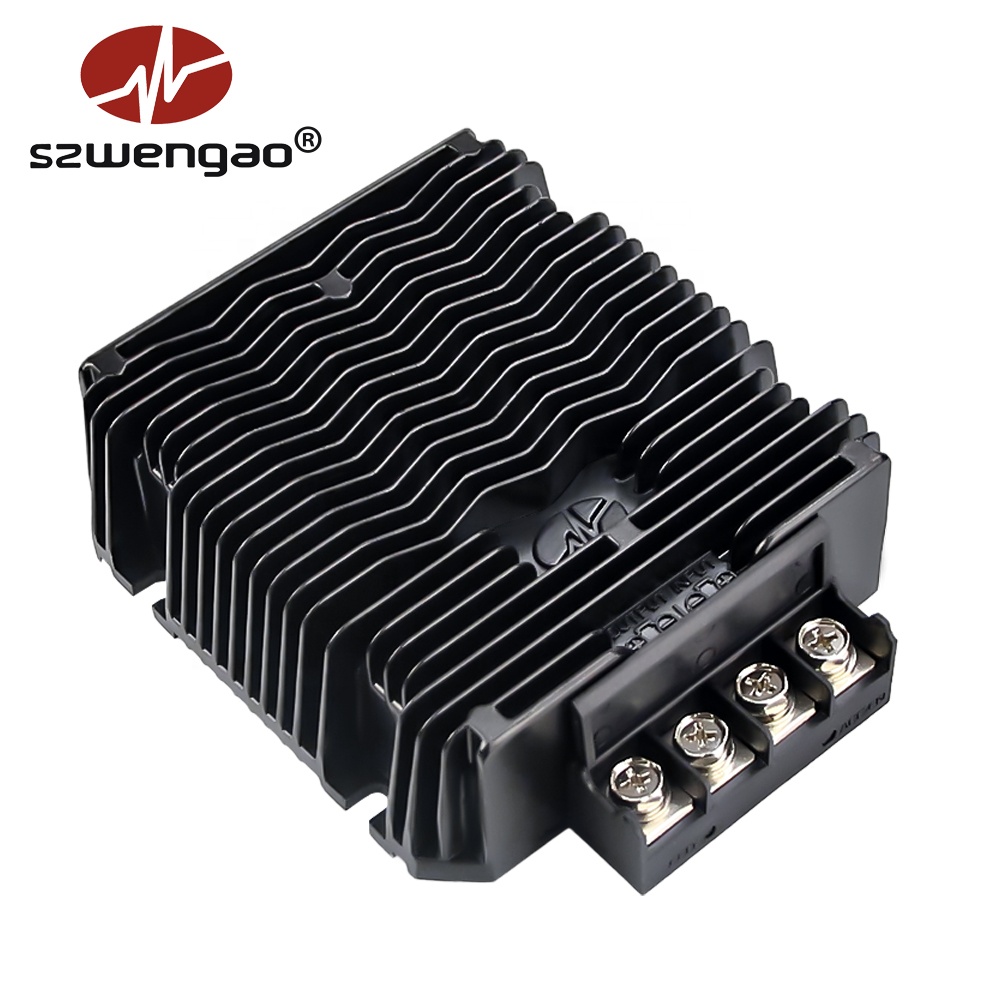
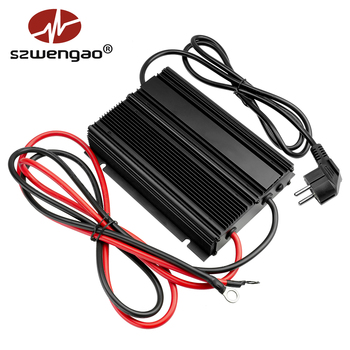
Smart 36V 13A Waterproof LiFePO4 Charger
- TopologyDC-DC Step-Up Boost
- Input / OutputDC 12V → DC 43.8V 13A
- EnclosureIP68 Potted Aluminum
Manufactured under strict ISO 9001, CE, and RoHS protocols. Below are our high-demand charging and voltage stabilization models built for rugged field duty and direct Patras B2B supply.
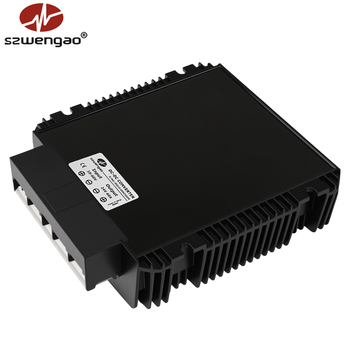
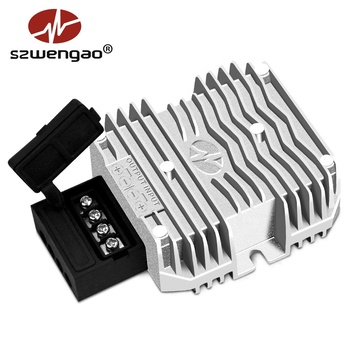
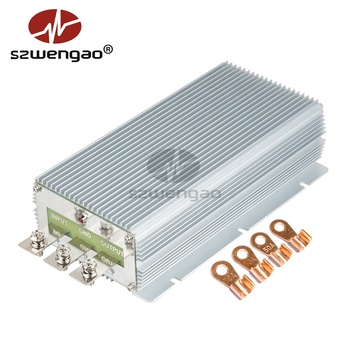
As Greece’s western maritime gateway to the Ionian Sea and the Adriatic corridor, Patras presents rigorous thermal, chemical, and operational challenges for battery charging infrastructure.
Salt mist corrosion and high moisture in Patras' ports demand true IP67/IP68 potted LiFePO4 chargers. Our chargers prevent galvanic corrosion while feeding dedicated 12V and 24V lithium house banks from shore power or onboard variable-speed generators without overheating in engine compartments.
Patras functions as a key transit crossroads linking Greek motorways (Olympia Odos) with Italian maritime freight. Commercial trucking fleets and container handling equipment rely on our 24V-to-12V synchronous buck converters and multi-stage DC-DC auxiliary battery chargers to protect modern telemetry, GPS, and cabin HVAC units.
Agricultural enterprises and isolated tourist facilities around Achaea operate off-grid PV microgrids. When ambient temperatures exceed 40°C in Mediterranean summers, our wide-input buck-boost battery chargers maintain strict absorption curves (3.65V per cell) without thermal runaway or premature float transition.
Understanding internal resistance, voltage flat-lines, and alternator thermal stress in Mediterranean marine and industrial conversions.
LiFePO4 cells maintain a remarkably flat discharge plateau between 13.0V and 13.3V (for a 12V 4S configuration) with internal resistance under 5 milliohms. When an unmanaged lithium pack is connected directly to a standard marine engine alternator in Patras, the alternator runs at maximum ampacity down into low engine RPMs. Because internal alternator fans spin slower at idle, winding temperatures rapidly exceed 130°C, causing stator burn-out or premature regulator breakdown.
Our battery-to-battery (DC-DC) chargers solve this fundamental conflict. By regulating incoming voltage (8V–90V dynamic window) and implementing algorithmic current throttling, the charger acts as a precision buffer. It prevents alternator burnout while elevating incoming voltage to precisely 14.6V (or 29.2V for 24V banks), achieving complete saturation of the cathode structure without triggering the onboard Battery Management System (BMS) over-voltage disconnect.
Delivers bulk charging current up to 95% State of Charge (SOC) while maintaining power stage efficiency above 93%, minimizing thermal heat dissipation within sealed enclosures.
Maintains cell absorption at precisely 3.65V per cell until current tapers below C/20, preventing unwanted lithium plating on the graphite anode structure.
Unlike lead-acid chargers that boil electrolytes with continuous trickle voltages, our microcontroller drops the rail to an inert resting voltage (13.6V), eliminating cell stress.
The Greek National Energy and Climate Plan (NECP) and municipal decarbonization efforts in Western Greece are driving substantial electrification across the Peloponnese region. Three strategic market shifts dominate local demand:
1. Shoreline Electrification & Low-Emission Ports: Port authorities and private yacht charters around Patras, Rio, and Kyllini are modernizing shoreside electrical supply. High-power AC-DC chargers with PFC (Power Factor Correction > 0.98) are now mandated by local electrical contractors to minimize reactive power penalties on municipal grids.
2. Telematics & Cold-Chain Trans-Shipment: Cross-border commercial trucks traversing the Patras-Bari and Patras-Ancona ferry routes require auxiliary power supplies that buffer voltage drops during long wait times. Isolated DC-DC converters safeguard temperature logging computers and IoT cargo trackers from brownout spikes when diesel truck engines turn over.
3. Autonomous Solar Pumping in Achaean Agriculture: Olive and vineyard processing facilities are migrating away from diesel pumping systems to 48V DC brushless pump configurations. Wide-range buck-boost converters bridge dynamic battery voltages (42V–58V) directly into regulated 24V or 48V motors without power degradation.
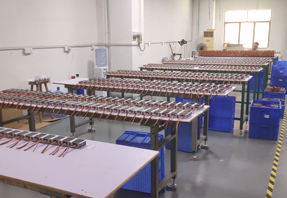
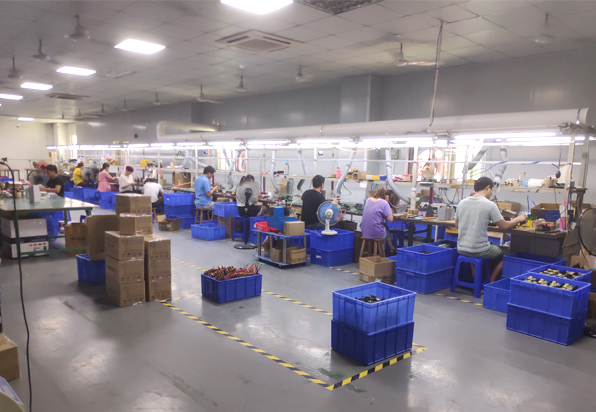
Founded in 2015, Eltrum operates an onsite-verified 3,000 m² cleanroom manufacturing facility in Shenzhen, China. Our technical engineering division specializes exclusively in power electronics, encompassing buck, boost, buck-boost, transformer-isolated DC-DC converters, and waterproof lithium battery chargers.
Everything procurement engineers, marine technicians, and equipment distributors need to know regarding shipping, compliance, and product customization.
Direct from our Shenzhen ISO 9001 factory to your operations in Patras, Western Greece, and across Europe. Contact our engineering team today for technical datasheets, sample orders, or custom OEM production quotes.