
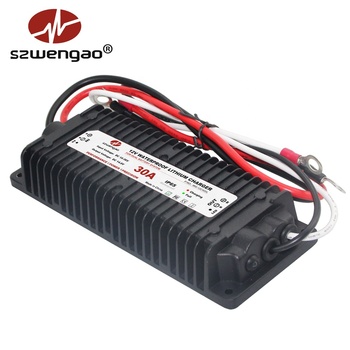
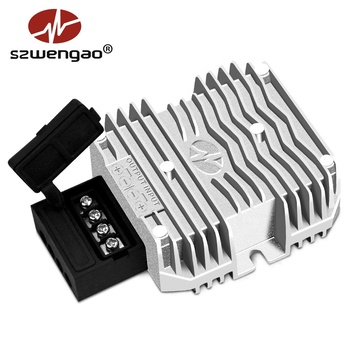
Smart 36V Lithium Charger DC 12V to DC 43.8V 13A
- Input Voltage9–35V DC
- Output Charging43.8V (36V LiFePO4)
- Current Output13A Max
- Ingress RatingIP67 Fully Potted
Factory-calibrated power supplies and dual-battery charging modules engineered to resolve voltage drop, smart alternator throttling, and lithium bank balancing in heavy recreational and commercial builds.

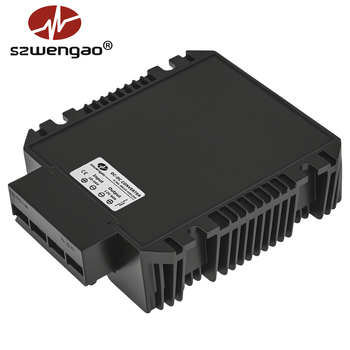
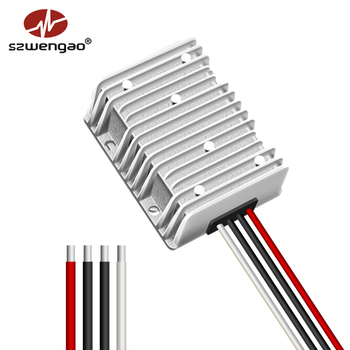

A deep-dive technical blueprint exploring alternator health, multi-stage CC/CV lithium profiles, and mitigating parasitic thermal resistance in tropical high-humidity applications.
Modern mobile power engineering has undergone an irreversible paradigm shift. For decades, recreational vehicle (RV) converters, expedition fleet fabricators, and overland builders relied on electro-mechanical split-charge relays (voltage-sensitive relays or VSRs) to tie the primary engine starter battery to auxiliary house banks. In contemporary vehicle integration—particularly within coastal, mountainous, and equatorial corridors like Spanish Town and the Saint Catherine parish of Jamaica—traditional mechanical interconnects are no longer merely inefficient; they are fundamentally destructive.
The introduction of Euro 5/Euro 6 and Tier 4 compliant smart alternators (often equipped with LIN-bus communication and regenerative braking algorithms) has dismantled traditional charging principles. When an engine decelerates, a smart alternator can spike charging rails past 15.2V; conversely, when the powertrain demands high acceleration or maintains steady cruising velocity, alternator output frequently drops below 12.2V to conserve fuel. Directly coupling this fluctuating bus to a modern Lithium Iron Phosphate (LiFePO4) or deep-cycle AGM house bank leads to chronic deficit charging, premature BMS disconnection due to over-voltage spikes, or catastrophic starter alternator burnout caused by excessive continuous current draw.
When selecting electrical architecture for overland expeditions, custom camper van conversions, or commercial utility transport, electrical engineers evaluate specific electrical and physical parameters. The table below outlines how Eltrum B2B charging modules compare against outdated mechanical solenoids in demanding operational environments.
| Performance Characteristic | Legacy Mechanical Solenoid / VSR | Eltrum Multi-Stage B2B DC-DC Charger |
|---|---|---|
| Smart Alternator Compatibility | Fails; disconnects randomly as ECU voltage drops below 12.8V. | Full integration; active D+/Ignition or vibration-sensing triggers. |
| Lithium (LiFePO4) Absorption | Incomplete; leaves cell balance inactive due to inadequate saturation voltage. | Precision CC/CV curves dialed to 14.4V–14.6V (or 29.2V / 58.4V). |
| Alternator Over-Current Protection | Zero; draws unchecked amperage up to alternator failure point. | Strict current limiting (e.g., 20A, 30A, 50A, 100A factory clamped). |
| Line Resistance Voltage Drop Correction | Uncorrected; 0.8V–1.5V drop over 6-meter cable runs degrades charging. | Active buck-boost stage automatically compensates for chassis drop. |
| Moisture, Dust & Salt-Fog Resistance | Open contacts corrode rapidly; spark hazard on closure. | Hermetically potted with thermally conductive polyurethane resin (IP67/IP68). |
| Reverse Current Leakage | Common when house bank voltage exceeds starter bank at rest. | Total reverse current isolation via low RDS(on) MOSFET arrays. |
Operational reliability in Spanish Town and southern Jamaica demands stringent thermal design. With ambient temperatures frequently exceeding 34°C (93°F) and engine compartment or under-chassis bay temperatures regularly climbing past 65°C, standard commercial-grade power electronics experience thermal saturation within minutes. When semiconductor junction temperatures exceed 125°C, unpotted converters suffer junction breakdown, electrolytic capacitor dry-out, and uncontrollable thermal throttling.
Eltrum addresses this challenge through comprehensive thermal engineering: utilizing extruded 6063-T5 aluminum alloy heat sinks with engineered fin arrays, combined with high-thermal-conductivity structural resin encapsulation (dielectric strength exceeding 2000V/mil). This ensures continuous heat transfer away from high-power switching MOSFETs and planar inductors toward external dissipation zones. Even when ambient chamber temperatures reach 55°C, Eltrum chargers maintain greater than 85% of their rated output amperage before engaging smart, stepped thermal derating—preventing abrupt system shutdown while maintaining life support and refrigeration in off-grid setups.
Configured to withstand the physical and environmental demands of Saint Catherine's topography, maritime corridors, and localized infrastructure demands.
Overland safari conversions traversing from Spanish Town up through Bog Walk Gorge and into rugged, mountainous interior routes require uninterrupted auxiliary power. Our B2B chargers take unstable alternator outputs across variable gradient engine loads and supply a steady 14.6V or 29.2V to onboard LiFePO4 house banks, keeping communications, GPS telemetry, Starlink terminals, and dual compressor refrigerators operational without risk of engine-no-start scenarios.
Parish health authorities and mobile disaster management vehicles operating throughout southern Jamaica require absolute electrical autonomy. Our galvanic isolated DC-DC converters eliminate ground loops between heavy-duty chassis electrical grids and precision medical cold-storage (vaccine refrigeration, emergency biosensors, satellite linkups). High vibration immunity prevents component fracture across uneven rural transit.
Vendors and utility trailers operating between Spanish Town and Port Henderson face intense salt-air corrosion and fluctuating grid supply. Installing an Eltrum IP67 sealed high-amperage (50A–100A) DC-DC conversion bank allows auxiliary battery banks to rapidly charge during inter-city transit, providing plug-and-play independence without running loud, air-polluting gasoline generators in urban centers.
How regulatory clean energy mandates, solar-alternator hybridization, and advanced lithium chemistry are transforming regional fleet engineering.
The Caribbean energy landscape is undergoing rapid modernization driven by escalating fuel tariffs and sustainability goals set under the Jamaica National Energy Policy. As fleet operators in transport, logistics, and tourism modernize their assets, specific technical trends dictate their power conversion procurement:
1. Aggressive Transition to Lithium Iron Phosphate (LiFePO4): Historically, flooded lead-acid and heavy gel/AGM batteries dominated local marine and RV conversions due to lower initial purchase price. However, severe tropical ambient heat causes rapid plate sulfation and thermal dry-out, cutting AGM service life down to 18–24 months. LiFePO4 cells, offering 3,500+ deep cycles, have become the standard choice. Because lithium batteries exhibit an exceptionally flat discharge curve and near-zero internal resistance, direct charging from legacy alternators causes massive current surges. High-efficiency B2B chargers have transformed from optional luxury accessories into mandatory safety devices that prevent alternator destruction.
2. Dual-Source Solar and Alternator Hybrid Architectures: Mobile systems in sunny equatorial climates like Saint Catherine utilize solar photovoltaic arrays on camper and van roofs. However, during high-speed transit or sustained cloudy weather, solar yields decline. Modern fleet architectures combine an Eltrum DC-DC intelligent charger with solar charge controllers. When the engine is running, the B2B charger harnesses dynamic surplus mechanical energy from the engine; when parked, the battery management system transitions smoothly to solar collection, maintaining 100% state of charge without manual switches.
3. Telemetry Integration and Remote Systems Management: Commercial fleets operating from logistics distribution hubs around Spanish Town increasingly mandate real-time battery status reporting. The adoption of Modbus RS485 communication within high-capacity DC-DC converters (such as the Eltrum 1500W Series) enables central microcontrollers or IoT telematics modules to report auxiliary voltage, charging current, heatsink temperature, and fault codes back to base dispatchers via 4G/GPS telematics.
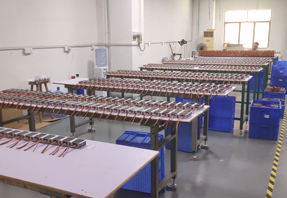
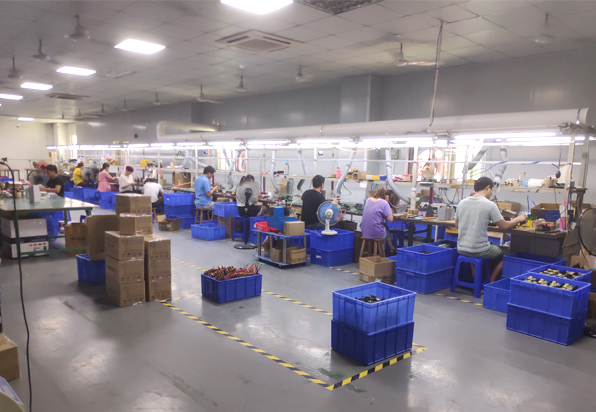
Since 2015, Shenzhen Eltrum Electronic Co., Ltd. has stood at the forefront of solid-state power conversion, designing and producing industrial-grade DC-DC converters, isolated modules, buck-boost stabilizers, and waterproof battery chargers. Our manufacturing infrastructure is rooted in rigorous engineering standards and an unwavering commitment to quality.
Operating under an ISO 9001 certified quality management system, our multi-stage inspection regime guarantees that every power converter shipped to distributors, vehicle builders, and integrators in over 130 countries fulfills CE and RoHS environmental and safety directives.

Direct answers addressing customs routing, smart ignition wiring, tropical derating, and minimum sample validation parameters.
Speak directly with Eltrum technical power engineers. Submit your vehicle platform parameters, alternator ratings, and target battery chemistry for a direct quote, full CAD step files, and comprehensive datasheets.