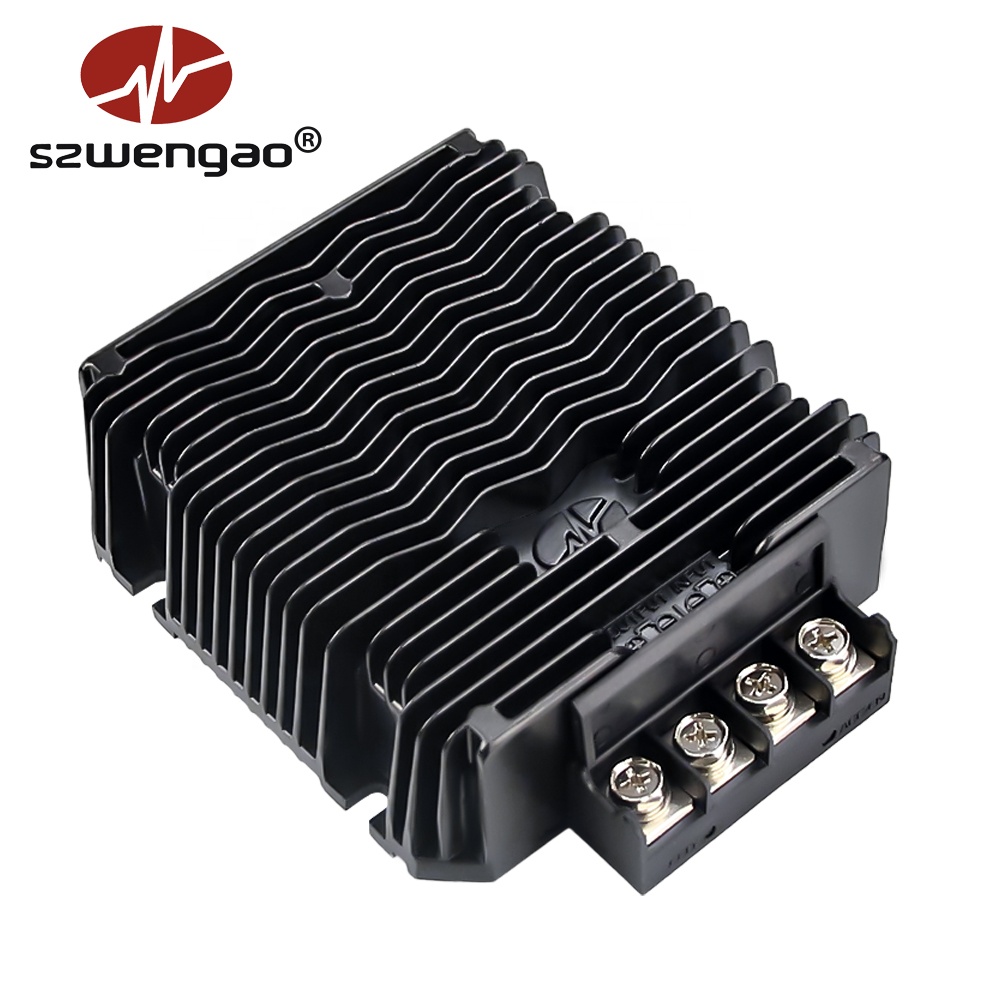
Smart 36V Lithium Charger 12V to 43.8V 13A
- Input Profile: 12V DC (Alternator/Starter)
- Regulated Output: 43.8V (36V LiFePO4)
- Charge Current: 13A Max
- Enclosure Rating: IP67 Fully Sealed
A comprehensive engineering guide on selecting high-efficiency, multi-stage CC/CV dual-battery chargers and isolated DC-DC converters engineered for maritime, commercial EV, and off-grid sub-zero conditions across Northern Europe.
Engineered for high thermal tolerance, low quiescent drain, and intelligent battery profile management. Below are 8 standard platforms deployed across marine crafts in the Gulf of Finland, heavy logistics fleets, and off-grid installations.
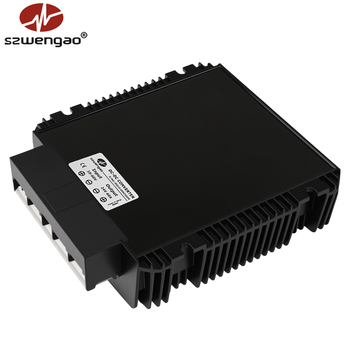
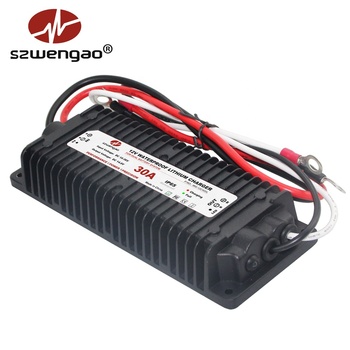
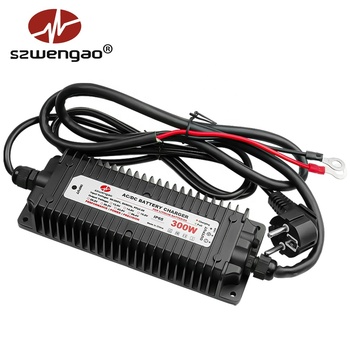
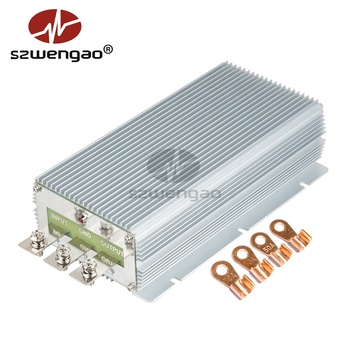
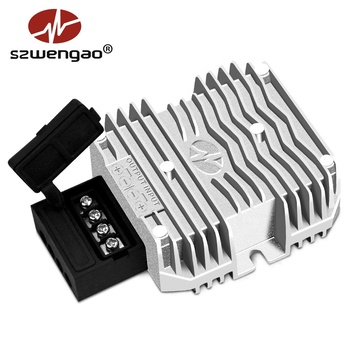
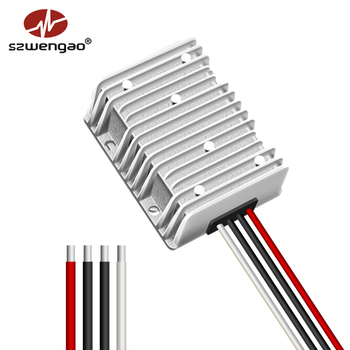
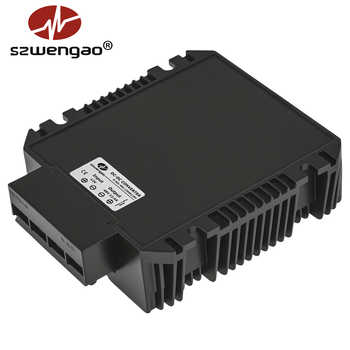
Direct alternator coupling (VSR/Solenoids) is obsolete in modern dual battery ecosystems. Here is how modern DC-DC converter technology guarantees battery longevity and circuit protection in Northern European conditions.
Modern transport fleets and commercial vans across Harju County operate on Euro 6 compliant engines featuring variable-voltage smart alternators. When the engine reaches cruise or idle states, alternator output can drop as low as 12.2V – 12.4V to save fuel.
Under these conditions, a passive split-charge relay disengages, cutting off charge to auxiliary LiFePO4 or AGM banks. A buck-boost DC-DC charger acts as an active step-up buffer, converting 12.2V into a stable 14.4V – 14.6V constant current charging stream without interruption.
Tallinn winters regularly witness temperatures plummeting below -15°C. Charging standard Lithium Iron Phosphate (LiFePO4) chemistries below 0°C causes dendrite plating on the graphite anode, permanently damaging capacity and creating internal thermal runaway hazards.
Modern DC-DC chargers integrated with external NTC temperature sensors or RS485/CAN communication automatically throttle charging current to trickle levels or cut current completely until internal heating mats bring the core cells above safe thresholds (+5°C).
In maritime applications navigating the Gulf of Finland and Baltic marinas, electrical differences between starter battery grounds and auxiliary marine house systems introduce electrolytic hull corrosion and RF interference across AIS and sonar transducers.
Galvanically isolated DC-DC converters feature transformer-isolated primary and secondary coils (up to 1500V DC breakdown rating), completely severing ground-loops while maintaining tight closed-loop voltage regulation across varying inductive sea loads.
Evaluate topologies against typical procurement specifications for industrial, maritime, and municipal fleet projects.
| Topology | Input Range | Regulated Profile | Thermal Derating | Target Application in Tallinn |
|---|---|---|---|---|
| Buck-Boost Charger | 8V – 36V DC | 14.6V / 29.2V (CC/CV) | Full output up to +50°C | Euro 6 Commercial Vans, Campervans & Arctic Utility Trucks |
| Isolated DC-DC | 18V – 90V DC | 12V, 24V Regulated (±1%) | Natural convection, -40°C~+85°C | Port of Tallinn Electric AGVs, Marine Yachts, Radar Systems |
| High-Current Buck | 20V – 60V DC | 12V – 13.8V up to 100A | Heatsink baseplate cooling | Scania/Volvo 24V Heavy Trucks feeding 12V Auxiliary Telematics |
| Multi-Source Hybrid | Dual In: PV + Alt | MPPT Solar + DC-DC CC/CV | Smart thermal throttling | Off-grid Baltic Weather Stations, Forest Fire Telemetry Masts |
From ice-encrusted workboats in Kopli to autonomous delivery rovers navigating Mustamäe, our ruggedized power conversion modules solve critical electrical challenges across Estonia.
Workboats, pilot vessels, and recreational catamarans operating in the Gulf of Finland experience high vibration, salt mist, and rapid thermal cycling. Standard consumer chargers suffer moisture corrosion and terminal degradation.
Our IP67/IP68 potted DC-DC chargers resist saltwater intrusion, galvanic hull electrolysis, and engine vibration. They reliably top off secondary LiFePO4 house banks from dual inboard diesel alternators without back-feeding starter cells.
Tallinn is an internationally recognized innovation hub for micro-mobility and autonomous last-mile delivery robots. These machines rely on 48V to 72V main lithium traction packs that must power sensitive 12V RTK GPS, LiDAR, and computer-vision processors.
Our high-efficiency isolated buck converters down-step fluctuating 72V battery power directly into ultra-clean 12V and 24V power rails, rejecting high EMI from high-RPM hub motors and protecting edge computing nodes from voltage drops.
Forest harvesting equipment operating in remote regions of Lahemaa and central Estonia operates in severe sub-zero environments far from shore power. Heavy hydraulic transients cause extreme alternator voltage spikes.
Equipped with wide dynamic input circuitry (10V – 44V DC) and high surge suppression clamping, our chargers isolate emergency radios, satellite telemetry, and secondary battery packs from inductive kickback spikes.
An executive synthesis of shifting regulatory standards, supply chain adaptations, and power density milestones affecting Estonian OEMs and fleet integrators.
Commercial vehicle builders in the Nordics are shifting heavy vehicle winches, tail lifts, and air conditioning units from 12V to 48V architectures, driving demand for multi-kilowatt bi-directional DC-DC chargers.
Next-generation synchronous switching topologies utilizing GaN transistors achieve up to 98% efficiency, slashing heat sink footprints by 40% and fitting compact autonomous equipment spaces.
Estonian fleet operators increasingly mandate real-time telemetry. Chargers lacking CAN 2.0B or RS485 MODBUS are being bypassed for systems delivering State-of-Health (SoH) diagnostics to dispatch dashboards.
With dense cellular 5G rollouts across Tallinn and digital maritime VHF traffic, high-frequency switcher radiation must comply strictly with EN 55032 Class B emission boundaries without exceptions.
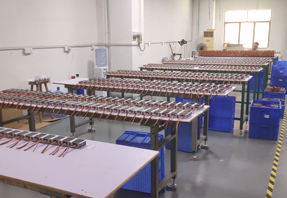
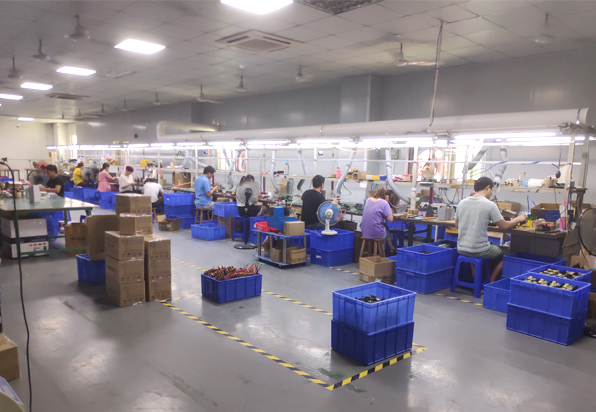
Shenzhen Eltrum Electronic Co., Ltd. (founded 2015) is an ISO 9001-certified high-tech powerhouse specializing in high-performance DC-DC converters, battery charging systems, and industrial power supplies. Operating from a 3,000 m² production complex, our team of dedicated power electronics engineers bridges theoretical conversion mathematics with ruggedized, real-world durability.
Our core engineering legacy is grounded in isolated DC-DC topologies. Today, that expertise powers more than 500 active standard platforms, providing OEM and ODM clients worldwide with rapid customization: bespoke voltage curves, tailored thermal profiles, custom wiring harnesses, and digital communication protocols.
Direct answers for electrical systems engineers, technical buyers, and supply chain managers in Estonia and the wider Baltic region.