High-Efficiency Chargers Engineered for Philippine Infrastructure
From Manila’s e-trike public transit corridors to isolated island off-grid solar banks in Palawan and Visayas, discover our ruggedized smart battery chargers built for harsh environments.
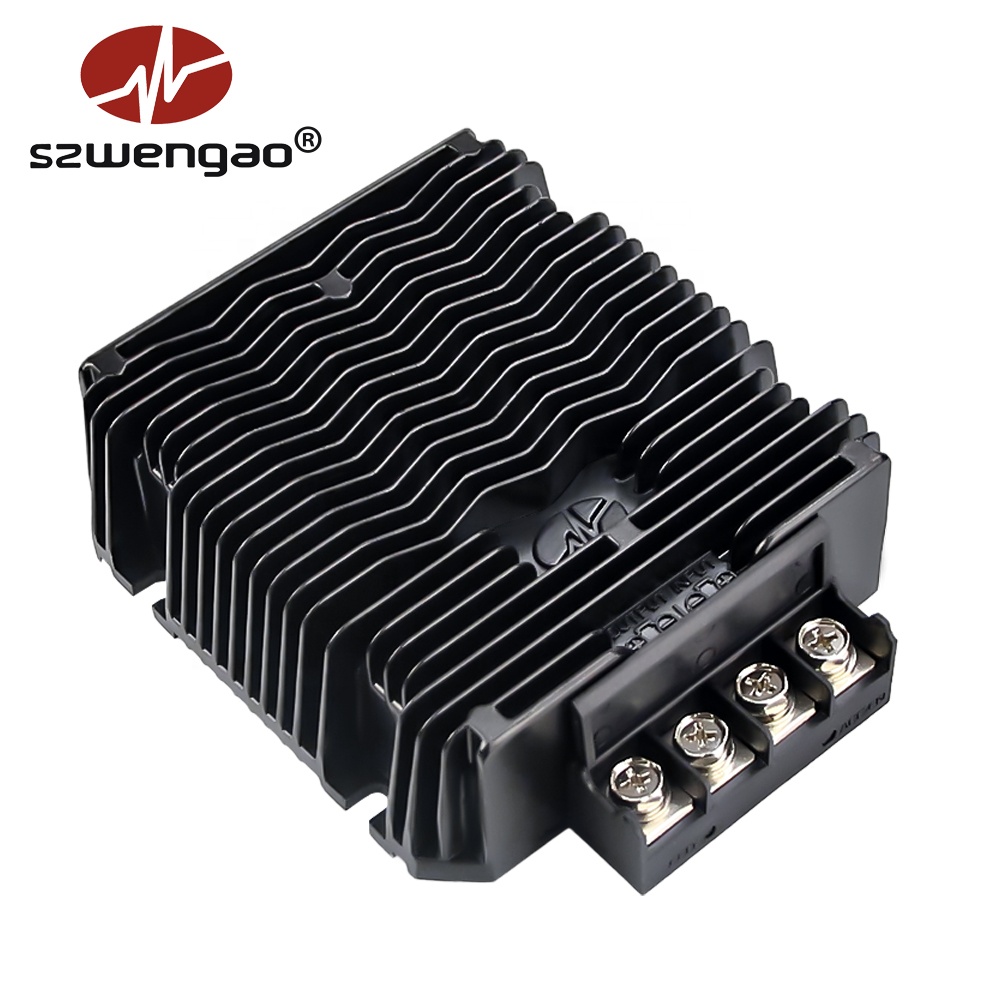
Smart 36V Lithium Battery Charger DC 12V to 43.8V 13A
- Input Voltage DC 12V (Wide 10–36V)
- Output Voltage DC 43.8V (CC/CV)
- Charging Current 13A Max
- Ingress Rating IP68 Waterproof Sealed
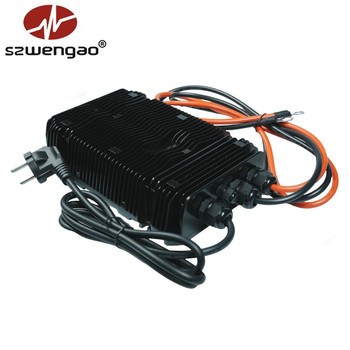
600W AC-DC Waterproof LiFePO4 Smart Charger
- AC Input 90–265V AC Universal
- Charge Profile 14.6V / 29.2V / 58.4V
- Power Capacity 600W Heavy Duty
- Enclosure Die-cast Aluminum IP65
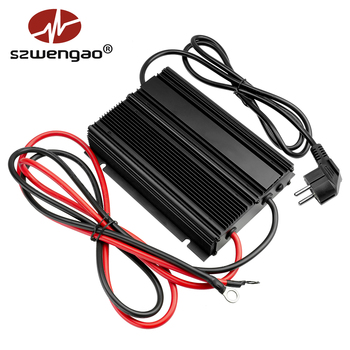
12V–48V 600W Marine & e-Trike Smart Charger
- Voltage Setup 12V / 24V / 36V / 48V
- Efficiency ≥ 93.5% Peak
- Protection OVP, OCP, SCP, Reverse
- Application Bangka Boats & Utility EVs
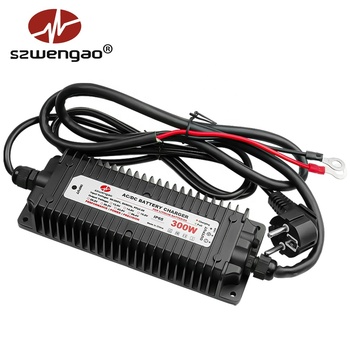
300W Marine Submersible AC-DC Charger
- Output Choice 14.6V / 29.2V / 43.8V
- Plug Standard US / PH / EU Options
- Thermal Control Fanless Passive Cooling
- Saline Proof Anti-Corrosive Coating
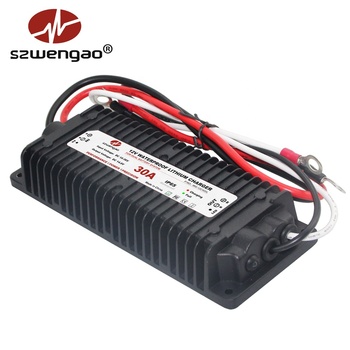
400W DC-DC Battery-to-Battery Smart Charger
- Alternator In 10–36V DC Variable
- Target Chemistry LiFePO4, Gel, AGM
- Charge Voltage 14.6V / 29.2V / 43.8V
- Integration Smart Alternator Compatible
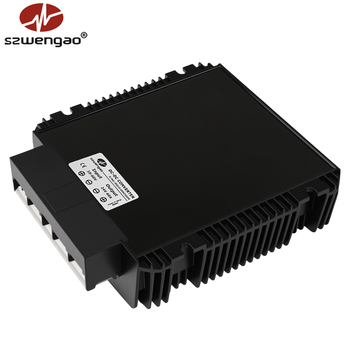
1500W High-Power Smart Regulator & Charger
- Input Range 10–60V Ultra-Wide
- Controlled Out 12V / 24V / 48V Programmable
- Bus Protocol RS485 Telemetry Monitoring
- Housing Heavy Duty Industrial IP67
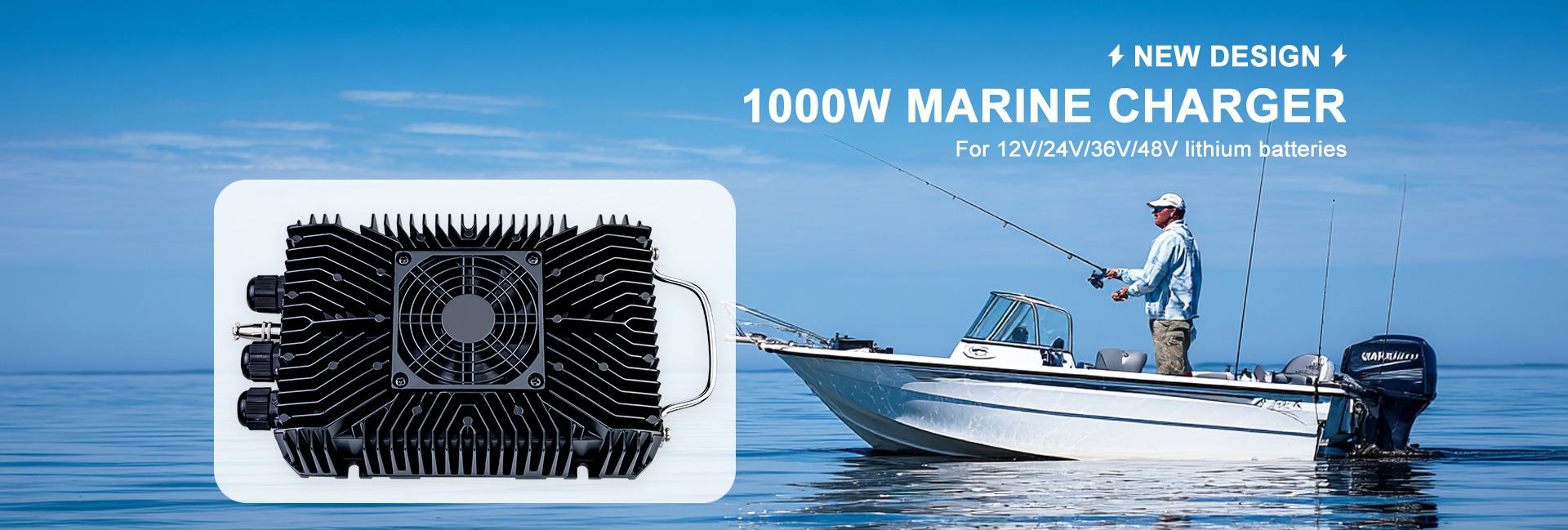
1000W Heavy Fleet Industrial LiFePO4 Charger
- AC Input 85–265V Wide Grid Span
- Current Output Up to 30A Continuous
- BMS Handshake CAN-bus / Analog Logic
- Durability Salt-Mist Resistant ISO 9227
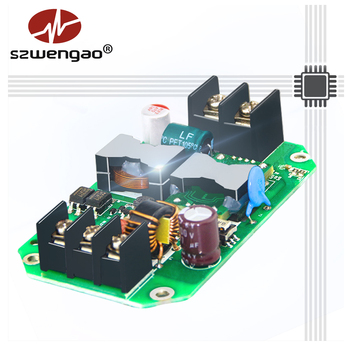
Telecom & Microgrid Isolated Auxiliary Charger
- DC Rail In 36–75V Isolated Input
- Regulated Out 12V 10A / 13.8V Buffer
- Isolation 1500V DC Galvanic Barrier
- Target Off-Grid Cell Sites & Gensets
Engineering for the Philippine Archipelago: Real-World Use Cases
The geographic fragmentation of over 7,600 islands combined with monsoon humidity, high-voltage fluctuations, and aggressive maritime air presents rigorous operating requirements for battery charging hardware.
Electric Jeepneys & e-Trike Modernization (PUVMP)
The nationwide Public Utility Vehicle Modernization Program (PUVMP) demands relentless uptime. Traditional chargers fail prematurely due to dust, engine splash, and tropical heat buildup during midday quick-charges.
- Intelligent Multi-Stage Curves: Prevents thermal runaway in 48V/60V/72V LiFePO4 packs operating in ambient temperatures exceeding 38°C.
- Vibration-Proof Potting: Fully epoxy-potted electronics resist violent road vibrations typical of suburban and rural transport routes.
- Zero Down-Time Swapping: Standardized form-factors facilitate rapid depot turnaround across Metro Manila, Cebu, and Davao transport co-ops.
Coastal Bangka Fleets & Marine Electrification
Coastal passenger ferries, fishing bancas, and dive vessels across Palawan, Siargao, and Boracay are converting legacy two-stroke motors to electric outboards powered by lithium house batteries.
- Sealed Anti-Corrosion (IP68): Salt-fog exposure causes terminal oxidation and circuit shorting; our anodized aluminum chambers seal against saline intrusions.
- Battery-to-Battery Balancing: Safely charges marine auxiliary storage from engine alternators or intermittent shipboard solar arrays without back-feeding.
- Transient Wave Filtering: Suppresses electrical spikes generated by aged dockside grid connections and unshielded marine generators.
Island Microgrids & Off-Grid Solar Telecom Towers
Provincial telecom base stations (BTS) and mini-grids operated under missionary electrification programs endure erratic voltage levels ranging wildly between 140V AC and 275V AC.
- Ultra-Wide Input Acceptance: Our smart AC-DC series holds a steady bulk charging profile regardless of brownouts or genset harmonic distortions.
- RS485/CAN Telemetry: Enables remote engineers in central Manila operations centers to audit battery health, state-of-charge, and thermal flags over cellular links.
- Zero Overcharge Guarantee: Auto-float cut-off preserves cycle longevity in remote unmanned installations where technician visits require chartered boats.
The Philippines Energy Transition: Market Trends Driving Charger Architecture
A comprehensive examination of why commercial fleet operators, telcos, and EPC contractors in the Philippines are transitioning from cheap analogue chargers to industrial smart charging units.
EVIDA Act Compliance
Republic Act No. 11697 (Electric Vehicle Industry Development Act) mandates corporate vehicle fleet electrification benchmarks, driving high-density multi-chemistry fleet chargers across logistics parks.
Shift from Lead-Acid to LFP
High replacement costs in island logistics make LiFePO4 the preferred chemistry. Smart chargers with precise CC/CV cutoff prevent premature cell degradation caused by over-voltage float.
Extreme Monsoon Climate
With an average of 20 typhoons yearly hitting the archipelago, IP68 hermetically sealed battery charging modules are transitioning from a luxury option to an absolute mandatory safety specification.
High Electricity Tariff Impact
With Philippine electricity rates among the highest in ASEAN, switching power conversion efficiencies exceeding 93% noticeably reduce operational expense over 24/7 commercial charging duty cycles.
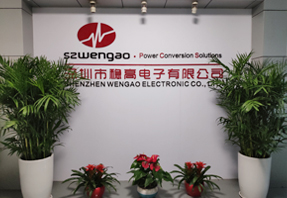
Shenzhen Eltrum Electronic: World-Class Power Engineering for B2B Importers
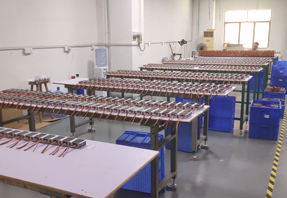
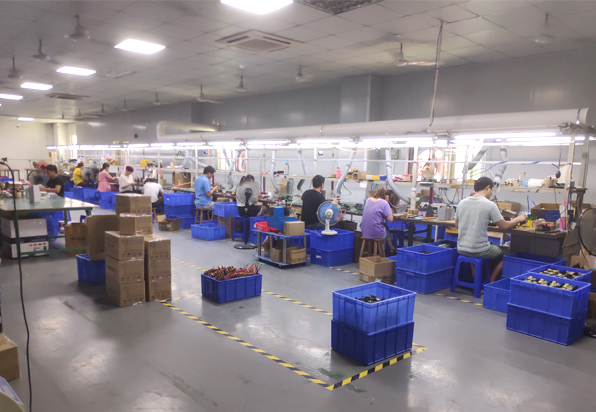
Shenzhen Eltrum Electronic Co., Ltd. has stood at the forefront of DC-DC conversion, battery charging architectures, and power electronics manufacturing since 2015. With an agile facility scaling up to 3,000 m² and a specialized engineering team, we deliver power conversion products across 130+ nations worldwide.
Our deep competence originated in high-reliability isolated DC-DC converters for industrial machinery and telecom grids. Today, that technical mastery infuses our smart battery charging systems, delivering extraordinary thermal stability, active power factor correction, and custom algorithmic charging profiles for global OEMs and local distributors.
Frequently Asked Questions for Philippine Procurement Teams
Essential engineering and trade insights for local importers, EV assemblers, solar contractors, and distributor purchasing managers.
Q: How do your chargers handle Meralco or provincial grid voltage swings?
Our AC-DC smart chargers incorporate active power factor correction (PFC) and ultra-wide input stages (90V–265V AC). Even during severe provincial brownouts or off-grid genset frequency fluctuations, our internal power topology maintains stable CC/CV output, preventing battery BMS cutouts.
Q: Can the charging profile be customized for specific Filipino e-trike LiFePO4 packs?
Yes. As an OEM/ODM manufacturer, we can calibrate absorption voltage, float threshold, and pre-charge pulse parameters to match your battery management system (BMS) whether you use 16S (58.4V), 20S (73V), or 24S (87.6V) configurations.
Q: What is the Minimum Order Quantity (MOQ) and sample lead time?
Standard models have a flexible MOQ starting from just 5 units, allowing technical teams to validate thermal performance and charging speeds before volume commitment. Engineering samples ship via air freight within 3–7 business days directly to Manila, Clark, or Cebu.
Q: Do your chargers withstand corrosive seaside ambient air in coastal ports?
Our marine and waterproof series utilize ADC12 die-cast aluminum alloys treated with electro-deposition anti-corrosive coatings, combined with full epoxy potting. This creates an airtight hermetic barrier resisting ISO 9227 salt spray testing standards.
Q: What documentation and compliance certifications are provided for BOC clearance?
We supply full commercial documentation including CE, RoHS, ISO 9001 compliance certificates, Certificate of Origin (Form E for ASEAN-China FTA preferential tariffs), detailed technical datasheets, and test bench reports to ensure frictionless Bureau of Customs clearance.
Q: What are the accepted international payment and logistics terms?
We work under FOB Shenzhen/Guangzhou or EXW terms, as well as CIF to Manila South Harbor, Subic Bay, or Cebu. Payment structures include standard T/T wire transfer, PayPal for prototype batches, and secure escrow arrangements in USD or CNY.