High-Efficiency RV & Dual-Battery Conversion Systems
Explore our heavy-duty DC-DC and AC-DC battery chargers engineered for LiFePO4, AGM, and ternary lithium chemistries. Engineered with fully encapsulated IP65–IP68 aluminium chassis, RS485 communication, and wide-input operational safety profiles.

Smart 36V Lithium Battery Charger DC 12V to DC 43.8V Waterproof 13A for EV Car RVs Electric Bike
- Input / Output: 12V DC → 43.8V DC
- Charge Current: 13A Max
- Protection: IP67 Fully Potted
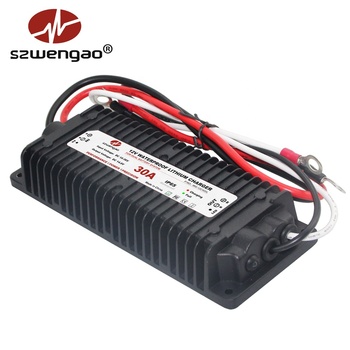
400W Waterproof DC-DC Dual-Battery LiFePO4 RV System Charger
- Input Voltage: 10V–36V DC Wide
- Profiles: 14.6V / 29.2V / 43.8V
- Isolation: Common Ground / Sealed
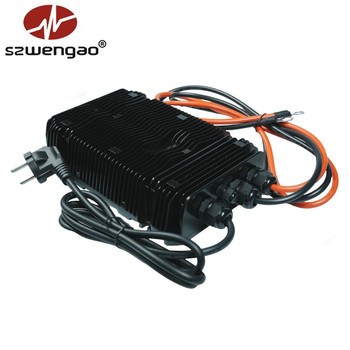
600W Waterproof LiFePO4 AC-DC Smart Mains Shore-Power Charger
- AC Input: 90V–265V Universal
- DC Output: 14.6V–58.4V Multi-Curve
- Chassis: Die-Cast IP65 Anodized
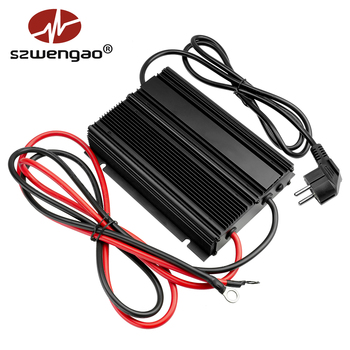
12V/24V/36V/48V 600W Waterproof LiFePO4 Multi-System Charger
- Voltage Class: 12V to 48V Multi-Tap
- Efficiency: >94.5% Peak
- Protection: OVP, OCP, OTP, Reverse

1500W Heavy-Duty Buck-Boost Converter & Charger with RS485
- Input Range: 10V–60V Ultra-Wide
- Output Rails: 12V / 24V / 28V / 48V
- Interface: Modbus RTU via RS485
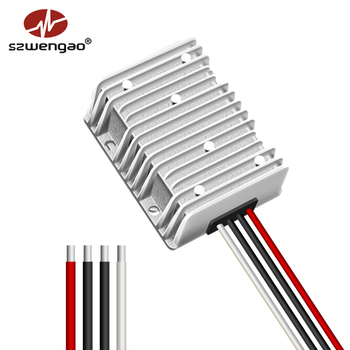
8V–40V to 13.8V 30A Continuous Buck-Boost Solar & Vehicle Stabilizer
- Input Flexibility: 8V–40V Dynamic
- Continuous: 13.8V Float at 30A
- Max Output: 414W Continuous

Industrial Isolated 18V–90V to 12V 10A Ground-Loop Free Charger Module
- Isolation: 1500V DC Galvanic
- Input Range: 18V–90V Wide Window
- Topology: Transformer Flyback/Forward

24V to 12V 100A High-Current Heavy Fleet Auxiliary Buck Charger
- Current Output: 100A Stable Continuous
- Thermal Control: Finned Heat Sink Base
- Suitability: Coach, Commercial, Marine
Optimizing Energy Resilience in Barrouallie & Saint Vincent's Leeward Coast
Barrouallie presents an aggressive operating environment characterized by high relative humidity (>80%), atmospheric saline exposure from the Caribbean Sea, and steep volcanic terrain along the Leeward Highway that places extreme cyclic stress on vehicular alternator charging systems.
Coastal Dual-Battery Campers & Overland Expeditions
Navigating the winding coastal corridors between Kingstown, Barrouallie, and Richmond requires dynamic voltage regulation. Engine bay alternator temperatures regularly peak past 70°C during slow, high-torque ascents. Standard smart alternators aggressively throttle output to save fuel, dropping below 12.8V. Eltrum’s wide-input buck-boost chargers ensure steady 14.6V Constant Current / Constant Voltage (CC/CV) LiFePO4 absorption regardless of alternator sag or heavy hill-climb electrical loads.
Marine & Fisheries Auxiliary Hybrid Storage
Barrouallie’s storied maritime heritage—from local fishing vessels to coastal cruising yachts moored off Wallilabou Bay—demands complete galvanic isolation and high IP-rated water sealing. Our isolated DC-DC chargers eliminate hazardous ground loops between hull bonding systems and dual lithium auxiliary banks, preventing rapid galvanic corrosion of outboard components while maintaining isolated DC rails for marine VHF, GPS, sonar, and high-draw 12V refrigeration.
Off-Grid Solar-Storage Hybrid Stabilization
Tropical storms and hurricane season on Saint Vincent frequently disrupt local utility distribution. Mobile RVs and off-grid eco-retreats along the leeward ridge utilize solar arrays coupled with battery banks. Rapid cloud cover transitions create massive solar irradiance spikes and voltage dips. Eltrum buck-boost stabilizers accept erratic 10V–60V DC input, buffering unpredictable solar charge spikes into an ultra-clean 12V or 24V float to protect sensitive onboard Starlink terminals, medical gear, and inverters.
Emerging Energy Transition & Power Architecture Trends in SVG
An in-depth perspective on why legacy charging methods are failing across the Caribbean archipelago, and how next-generation intelligent power topologies ensure electrical resilience.
1. Accelerating Migration from Lead-Acid to LiFePO4 Chemistry
Traditional flooded and AGM batteries exhibit catastrophic lifespan degradation under Barrouallie's ambient equatorial heat, frequently suffering thermal runaway and grid plate sulfation within 18 months. Local fleet operators, touring van owners, and marine operators are decisively switching to Lithium Iron Phosphate (LiFePO4). However, charging LiFePO4 directly off standard vehicle alternators creates catastrophic failure modes: lithium's extremely low internal resistance causes alternators to run continuously at maximum thermal capacity, burning out stator windings at low engine RPMs. Specialized DC-DC chargers with precise stage control are transitioning from a luxury accessory to an essential system safeguard.
2. Shore Power Inconsistencies & Universal AC Input Robustness
Mains utility supply along remote coastal Caribbean hubs experiences frequent micro-surges, frequency drifts, and brownout voltage drops (sagging below 100V AC or spiking past 250V AC). Eltrum's 600W and 1000W AC-to-DC chargers utilize active Power Factor Correction (PFC > 0.98) and ultra-wide universal AC input stages (90V–265V AC, 47Hz–63Hz). This architectural tolerance guarantees that whether docked at a harbor slipway, plugged into a domestic outlet in Barrouallie, or powered by an unstable portable petrol generator, the internal microcontroller delivers ripple-free, perfectly profiled current to the storage cells without trips.
3. Demands for Fully Hermetic IP67 Enclosures over Fan Cooling
Atmospheric salt aerosol along coastal Saint Vincent renders traditional fan-cooled chargers obsolete within months due to salt deposition across unshielded PCB copper traces, initiating galvanic bridging and short-circuits. The localized trend has shifted exclusively toward sealed, potted aluminium alloy housings. By utilizing vacuum-degassed epoxy potting that conducts heat directly to exterior radiative fins (conduction cooling), our chargers completely isolate semiconductor switches, planar transformers, and capacitors from moisture, corrosive salt air, dust, and direct water spray.
| Performance Parameter | Legacy Dual-Battery Relays (VSR) | Generic Fan-Cooled Chargers | Eltrum Engineered DC-DC Systems |
|---|---|---|---|
| Lithium Profile Accuracy | None (Raw Alternator Voltage 13.2V–14.8V) | Coarse 2-Stage Profile, High Drift | 3-Stage Microcontroller CC/CV (±0.1V Tolerance) |
| Alternator Overload Protection | Zero Protection; Overheats Stator | Passive Derating, Frequent Stalling | Active Current Limiting & Ignition Sensing |
| Ingress Protection & Saline Resistance | Exposed Terminals, Open Contacts | IP20 Fans Draw Corrosive Salt Spray | IP67/IP68 Vacuum Potted Solid Aluminium Case |
| Low Voltage Input Sag Handling | Disengages under 12.6V, Cutting Charge | Drops Output Current Proportionally | Full Buck-Boost Up to 1500W from as low as 8V DC |
A Decade of Precision Power Conversion & ISO 9001 Excellence
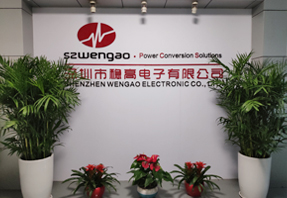
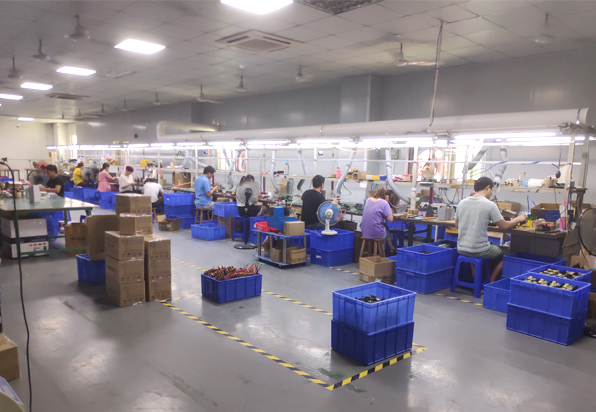
Founded in 2015, Shenzhen Eltrum Electronic Co., Ltd. stands as a world-class designer and manufacturer of DC-DC conversion hardware, high-power battery chargers, and ruggedized power modules. With an agile facility spanning up to 3,000 square meters and over 500 standardized models, our engineering systems power vehicles, vessels, telecommunications towers, and industrial robotics across more than 130 countries.
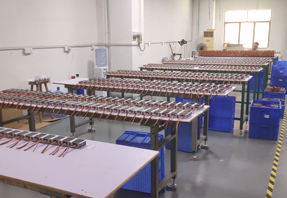
Our core capability originates in advanced isolated DC-DC topologies. We have translated this rigorous noise-rejection and galvanic-separation know-how into our consumer and commercial RV charging lines. Onsite-verified by leading independent inspection agencies, every batch undergoes automated SMT assembly, automated optical inspection (AOI), hermetic epoxy dispensing, and 100% full-load burn-in screening before export packaging.
Procurement & Technical FAQ Serving Barrouallie Buyers
Clear, direct technical answers covering shipping logistics, custom voltage curves, alternator safety, and installation best practices for Saint Vincent and the Grenadines.