Industrial & Marine-Grade DC-DC Power Modules
Engineered for extreme operating environments requiring compact footprint, high thermal dissipation, over 96% efficiency, and complete galvanic protection against salt-fog and voltage surges.
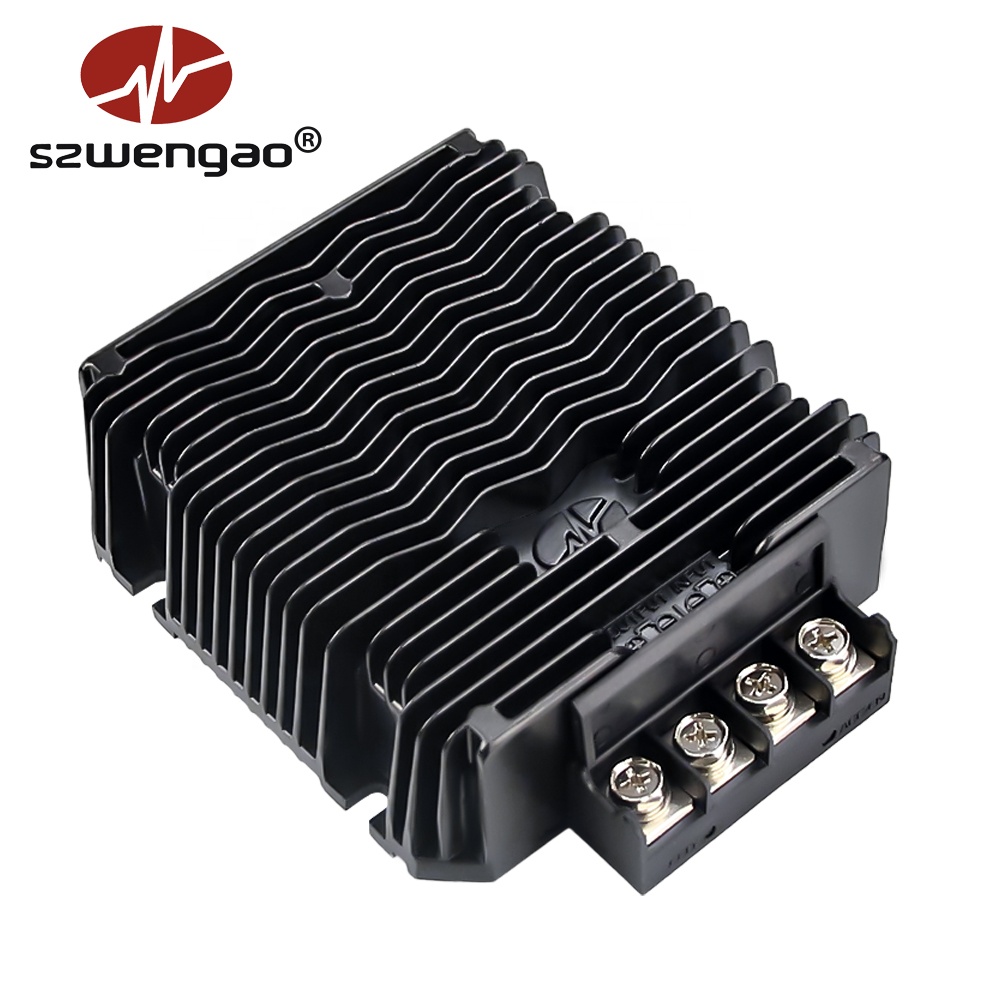
Smart 36V 13A Lithium Battery Charger (DC 12V to 43.8V)
- Input Voltage9–16V DC Wide
- Output Rails43.8V DC @ 13A
- Efficiency≥ 94.5% Peak
- ProtectionIP67 / Over-Temp
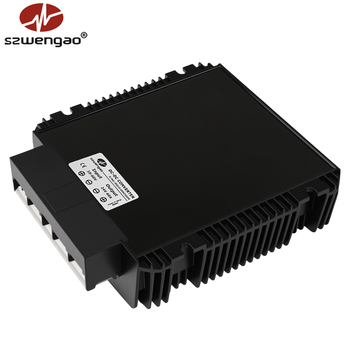
1500W Buck-Boost Converter with RS485 Interface
- Input Window10–60V DC Dynamic
- Output Range12V / 24V / 28V / 48V
- Digital CommsRS485 Modbus RTU
- CoolingIntegrated Heat-Sink
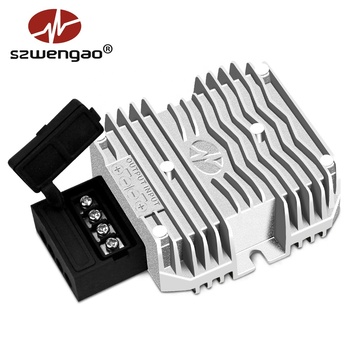
Galvanically Isolated 18–75V to 24V 5A Module
- Isolation Rating1500V DC / Opto-coupler
- Input Span18–36V / 36–75V DC
- Ripple & Noise≤ 50mVp-p Low EMI
- ApplicationMarine Telecom & Bridge
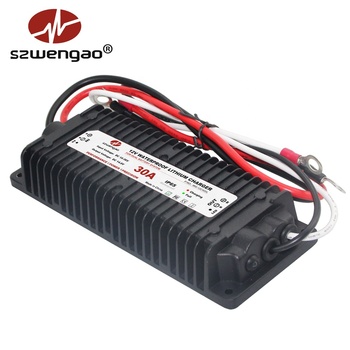
400W Dual-Battery LiFePO4 In-Vehicle DC-DC Charger
- Input Range10–36V DC Alternator
- Profiles14.6V / 29.2V / 43.8V
- ProtectionReverse Polarity / BMS Wake
- PottingThermal Conductive Resin
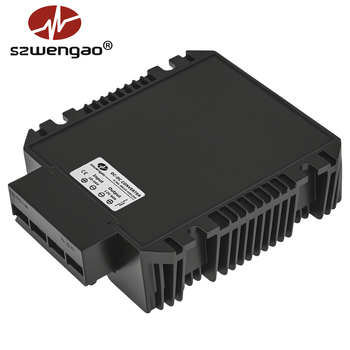
10–44V to 12V 60A High Current Voltage Stabilizer
- Continuous Rating12V DC @ 60A (720W)
- Regulation±1% Load / Line Drift
- Transient ClampTVS Suppression Array
- EnclosureMilled Extruded Aluminum
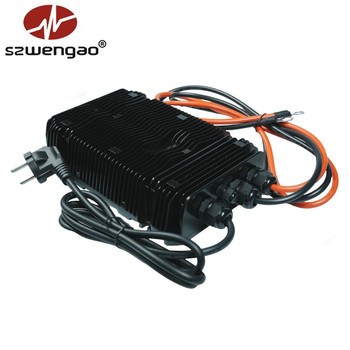
600W IP65 Marine LiFePO4 Fast Charger
- Grid Interface90–265V AC Universal
- DC Terminal14.6V / 29.2V / 58.4V
- Ingress RatingIP65 Anodized Marine Shell
- ComplianceCE / RoHS / ISO 9001
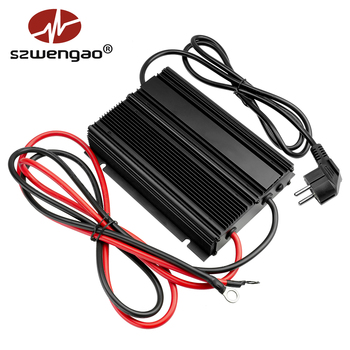
Multi-Chemistry 600W Marine Tender Charger
- Battery Target12V / 24V / 36V / 48V
- Efficiency Factor95% Sync Rectification
- Harbor SpecsUltra-Low Acoustic Noise
- MountingShock-Resistant Bulkhead
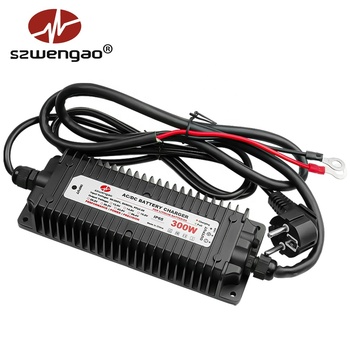
300W Compact Yacht DC Auxiliary Power Module
- Form FactorUltra-Slim Engineered Profile
- DC Output14.6V / 29.2V / 43.8V
- ConnectorsAmphenol / Deutsch Marine
- Custom OEMTailored Voltage Trimming
Next-Generation DC-DC Power Conversion for Monte Carlo’s Marine and Microgrid Ecosystem
Exploring the architectural shift from legacy AC distribution to high-efficiency DC busbars aboard superyachts at Port Hercule, high-performance motorsport platforms, and zero-emission urban infrastructures.
The Principality of Monaco stands as an international benchmark for ecological transition, luxury maritime engineering, and advanced electromobility. From the prestigious berths of Port Hercule and the state-of-the-art eco-marina at Port de Fontvieille to the severe energy constraints of the Circuit de Monaco during Formula E events, power density, thermal efficiency, and electromagnetic silence are paramount requirements. In this hyper-demanding geographic and operational arena, standard commercial-grade power conversion equipment cannot endure the mechanical vibrations, extreme saline atmosphere, and strict harmonic pollution guidelines.
As mega-yachts and tenders transition toward hybrid-electric and pure electric propulsion, naval architects are systematically replacing classic 400V AC distribution topologies with centralized 400V/800V DC microgrids. Direct current architectures reduce copper cable weight by up to 35%, eliminate synchronization issues between gensets and shore-power interconnects, and enable direct coupling with lithium-iron-phosphate (LiFePO4) storage banks. However, stepping down high-voltage traction or auxiliary busbars to sensitive 24V marine navigation electronics, 12V safety instruments, and 48V bow-thruster banks requires industrial-strength, galvanically isolated DC-DC converters capable of handling substantial step-down ratios without compromising system stability.
Shenzhen Eltrum Electronic Co., Ltd. addresses this technological frontier by designing, patenting, and manufacturing high-density buck, boost, buck-boost, and galvanically isolated DC-DC converters that bridge the technical gap between bulk traction batteries and high-precision DC loads. With our ISO 9001 certified manufacturing infrastructure, every power module integrates high-frequency synchronous rectification, high-permeability planar magnetics, and specialized polyurethane/epoxy compound encapsulation that guarantees complete resistance to salt-water ingress, ambient humidity spikes, and dynamic engine vibration profiles.
Planar Magnetics & Synchronous Rectification
By replacing wire-wound transformers with multi-layer PCB planar inductors and low RDS(on) MOSFETs, Eltrum DC-DC converters achieve peak conversion efficiencies exceeding 96%, dramatically curtailing heat dissipation in tight engine bulkheads.
Reinforced Galvanic Isolation (>1.5kV DC)
Crucial for naval electrical architectures and telecom relays, true galvanic isolation breaks continuous ground loops, eliminates galvanic corrosion along aluminum/composite superstructures, and prevents transient propagation across the low-voltage auxiliary bus.
Hermetic Potting & Marine Ingress Defense
Certified to IP67 and IP68 standards, modules are vacuum-potted using high thermal conductivity elastomeric resin. This shields all SMD components against coastal salt aerosol, heavy sulfur condensation, and mechanical shock up to 50G.
Localized Application Scenarios across the Principality
From superyacht tenders anchored in the Baie de Monaco to high-density subterranean charging hubs, Eltrum converters power Monte Carlo’s critical engineering assets.
Superyachts & Hybrid Tenders
Step-down conversion from 48V–90V high-capacity LiFePO4 house battery packs down to ultra-clean 12V and 24V supply rails for Raymarine, Simrad, satellite comms, FLIR thermal cameras, and submerged LED lighting arrays with zero audio frequency hum.
Formula E & Hypercar Garages
Fast-transient DC-DC voltage regulators supplying on-board telemetry, sensor clusters, power steering pumps, and electronic actuators under intense acceleration forces and ambient temperature spikes during high-speed testing along the Riviera.
Smart City Subterranean Grids
Integration within Monaco’s dense multi-level underground parking facilities, driving bidirectional battery buffer banks, DC emergency backup lighting, ventilation dampers, and automated EV fleet management systems.
Luxury Heliports & Port Logistics
Providing rock-solid power conditioning for automated baggage vehicles, ground support units at the Monaco Heliport in Fontvieille, electric harbor cranes, and autonomous electric patrol boats guarding coastal preserves.
DC-DC Converter Topology Comparison Matrix
Select the exact conversion topology matching your input voltage swing, ground isolation requirements, and continuous current load profile.
| Topology | Typical Input Range | Nominal Output Rails | Max Efficiency | Isolation Level | Typical Monte Carlo Marine/EV Target |
|---|---|---|---|---|---|
| Buck (Step-Down) | 24V, 36V, 48V, 72V, 96V DC | 5V, 12V, 13.8V, 24V DC | 96.5% | Non-Isolated | Traction pack step-down to auxiliary lighting & cockpit sensors |
| Boost (Step-Up) | 10V–16V, 20V–30V DC | 24V, 36V, 48V, 58.4V DC | 95.2% | Non-Isolated | 12V engine alternator boosting to 48V bow-thrusters & winches |
| Buck-Boost (Stabilizer) | 9V–40V, 10V–60V DC Wide | 12V, 19V, 24V, 28V DC | 94.8% | Regulated Constant | Stabilizing marine house rails during severe engine cranking drops |
| Galvanically Isolated | 18–36V, 36–75V, 18–90V DC | 5V, 12V, 24V, 48V DC | 92.5% | >1500V DC Galvanic | Positive-ground marine electronics, nav radars, and telecom towers |
| DC-DC Smart Charger | 10–36V, 18–90V DC Dynamic | 14.6V, 29.2V, 43.8V, 58.4V | 95.0% | CC/CV Algorithm | Dual-battery alternator charging for yacht tender LiFePO4 cells |
Key Trends Shaping Monte Carlo’s Power Electronics Landscape
Monaco’s aggressive green covenants and superyacht sustainability indices are transforming procurement criteria for naval architects and power engineers.
Monaco Energy Transition & Zero-Emission Harbors
Under H.S.H. Prince Albert II, the Principality aims for a 55% emissions reduction by 2030 and full carbon neutrality by 2050. Port Hercule mandates zero auxiliary diesel idling while berthed, accelerating the adoption of shore-to-ship DC conversion units and high-power onboard battery chargers.
Digital Control & RS485 Modbus In-System Telemetry
Yacht automation networks (such as NMEA 2000 and Crestron marine interfaces) require active, intelligent power supplies. High-power DC-DC converters in Monte Carlo increasingly require embedded RS485 / CAN communication to broadcast real-time current, temperature, and fault diagnostics directly to the main bridge.
Electrification of Superyacht Tender Fleets
Chase boats and tender craft are rapidly adopting 400V/800V lithium-ion propulsion. Auxiliary DC-DC converters must handle high-density step-down to power 12V/24V navigation systems while enduring high dynamic g-forces, spray pounding, and rapid thermal cycling on open Mediterranean waters.
Global Engineering Authority & OEM Manufacturing Prowess
Since 2015, Shenzhen Eltrum Electronic Co., Ltd. has delivered field-proven power supplies to over 130 countries, combining tier-one Chinese SMT manufacturing with rigorous international compliance.
End-to-End OEM/ODM Power Electronics Production
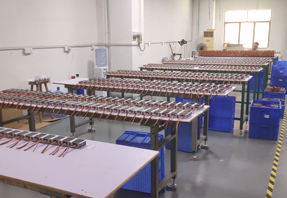
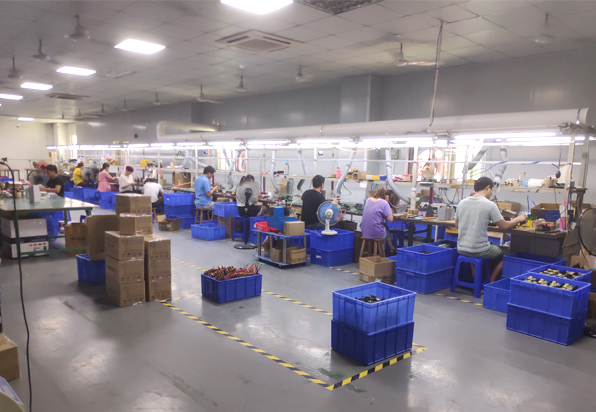
Eltrum operates a dedicated manufacturing facility in Shenzhen spanning up to 3,000 m², verified onsite by world-leading third-party inspection firms. We control every stage of manufacturing—from high-precision automated SMT placement, automated optical inspection (AOI), and in-house toroidal/planar magnetics winding, to 100% full-load thermal burn-in testing and automated conformal potting.
Serving marine systems integrators, automotive tier-1 OEMs, and industrial automation leaders across Europe, North America, and Asia, we maintain an agile minimum order quantity (MOQ from just 5 units for standard series) enabling rapid prototyping and iterative validation for custom marine projects in Monte Carlo.
Frequently Asked Questions by Monte Carlo Engineers & Buyers
Direct answers to the most common electrical integration, regulatory compliance, and procurement questions raised by Monaco naval architects and project managers.
Why is galvanic isolation non-negotiable for marine DC-DC converters in Port Hercule?
Can Eltrum DC-DC chargers operate directly from smart alternators on luxury chase tenders?
How do your converters meet European EMC regulations for noise-sensitive maritime bridges?
What thermal derating considerations apply when installing in enclosed Mediterranean engine compartments?
Can Shenzhen Eltrum customize voltage rails and connectors for bespoke hypercar or tender builds?
What are your international logistics timelines and commercial terms for delivery into Monaco?
Power Your Monaco Marine or EV Project with Engineered Precision
Connect directly with Eltrum’s senior power electronics applications team. Send us your input/output parameters, thermal constraints, and communication specifications for immediate datasheet delivery, 3D CAD models, or a competitive OEM quotation.