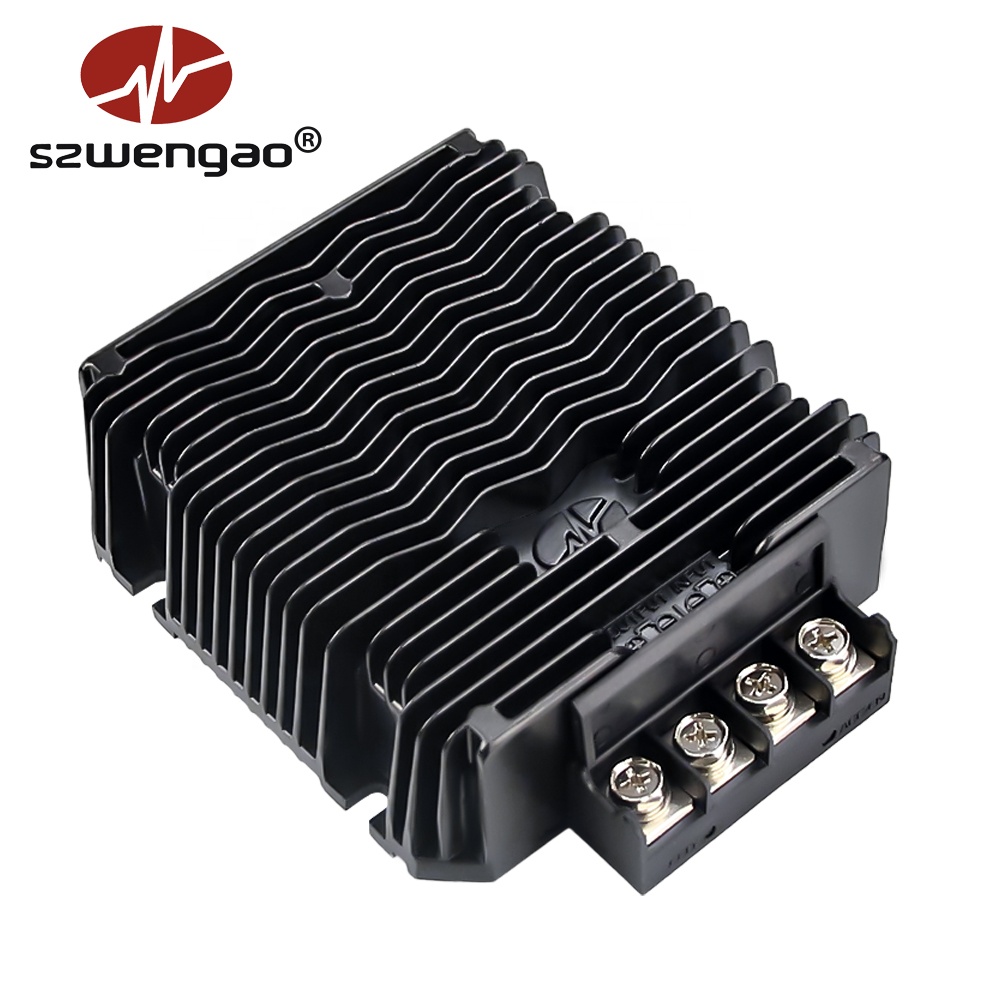
Smart 36V Lithium Battery Charger DC 12V to 43.8V 13A
- TopologyStep-Up DC-DC Boost
- Charge ProfileCC/CV LiFePO4 43.8V
- EnclosureIP65 Sealed Die-Cast
Explore our top-tier waterproof AC-DC chargers and wide-input DC-DC converter series built under ISO 9001 quality management, engineered specifically for harsh environments, cold climates, and high-duty cycles.
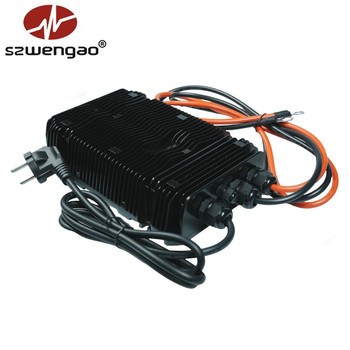
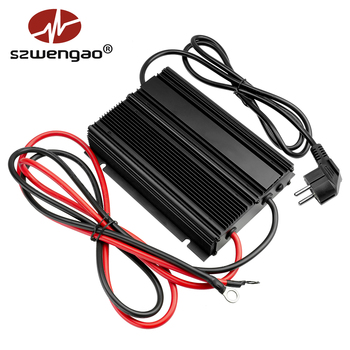
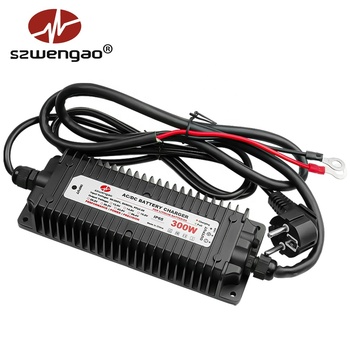
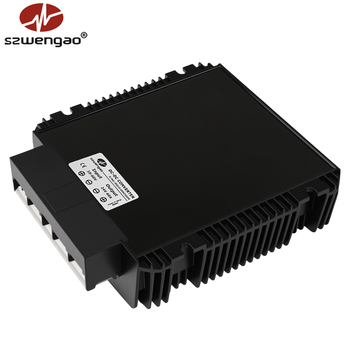
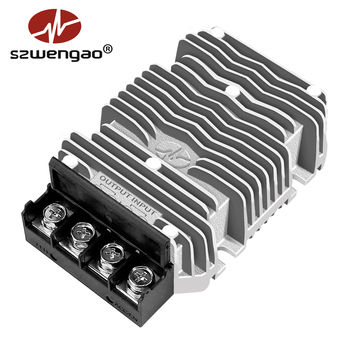
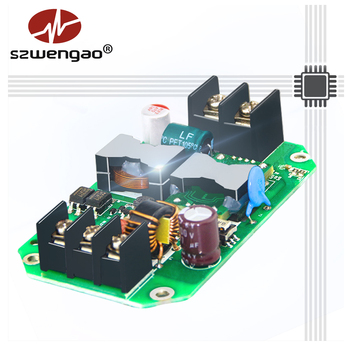
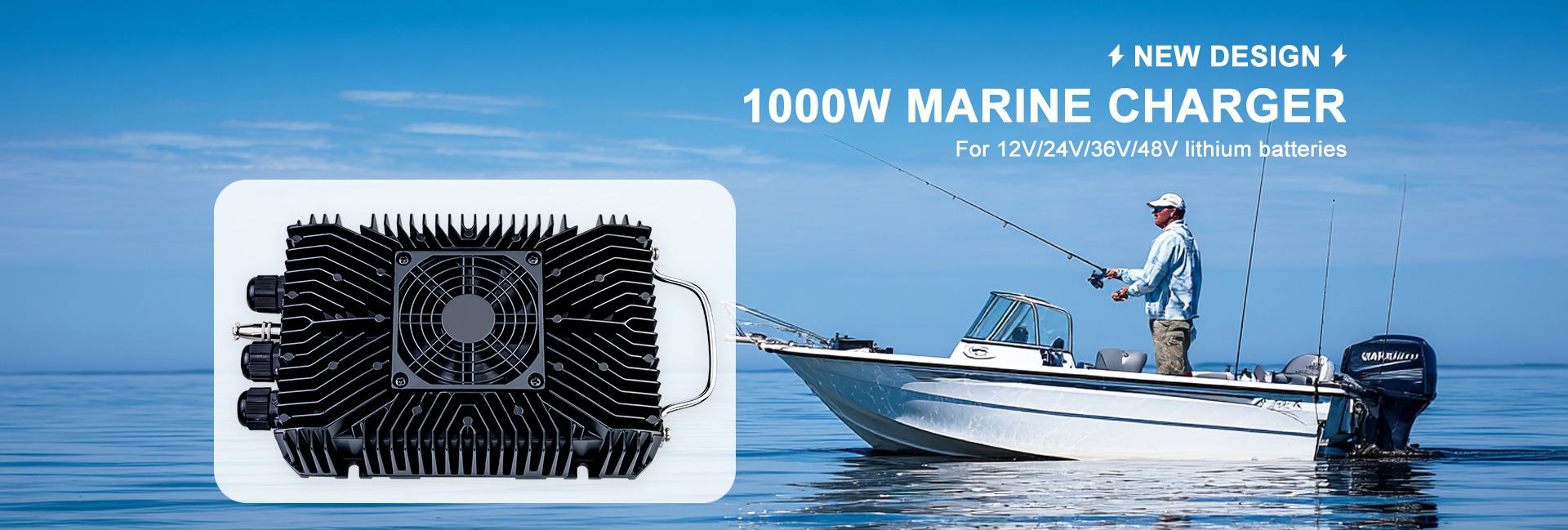
Technical analysis of modern light electric vehicle (LEV) battery conversion, cold-soak thermal profiles, and decentralized fleet management across Quebec's recreational and industrial hubs.
The transition of light electric utility vehicles and golf car fleets across the Greater Montreal area represents a distinct technological pivot. From the municipal operations along Montreal’s extensive park networks to private resorts in Mont-Tremblant, Saint-Sauveur, and the South Shore industrial logistics parks, operators are phasing out legacy lead-acid deep-cycle banks in favor of high-energy-density Lithium Iron Phosphate (LiFePO4) chemistry. However, deploying lithium packs without re-architecting the high-frequency charging and onboard auxiliary DC-DC topology presents substantial operational vulnerabilities.
A standard golf cart powertrain operates at nominal bus voltages of 36V, 48V, or increasingly, 72V. When original equipment manufacturers (OEMs) or regional retrofitters in Quebec convert these platforms to lithium, the primary failure mechanism is rarely the electrochemical cell itself; rather, it is the integration of substandard off-board or onboard chargers lacking cold-weather thermal foldback, moisture ingress safeguards, and proper Constant Current/Constant Voltage (CC/CV) absorption controls. Our manufacturing facility in Shenzhen works directly with Canadian fleet distributors, electrical contractors, and OEMs to provide precision-calibrated power supplies that bridge this gap.
Over 80 championship golf courses across Île de Montréal, Laval, and Monteregie require reliable 48V CC/CV chargers. Off-season indoor storage mandates smart trickle maintenance without overcharging the BMS balancing resistors.
Distribution logistics hubs near Pierre Elliott Trudeau Airport (YUL) and the Port of Montreal deploy electric burden carriers and tow tractors. Our 48V-to-12V 60A step-down converters ensure headlights, telemetry, and radios operate seamlessly without battery imbalances.
Parc du Mont-Royal and urban maintenance divisions demand zero-emission operations. Our IP65 hermetically sealed waterproof units withstand heavy spring thaw humidity, wash-down spray, and extreme sub-zero dampness.
With Hydro-Québec providing cost-effective, low-carbon hydroelectric power, Quebec has emerged as North America's leader in commercial fleet electrification. The regional golf cart ecosystem is mirroring this transformation. Municipal mandates are accelerating the phase-out of internal combustion utility carts, while legacy lead-acid systems are replaced due to high maintenance costs associated with electrolyte freezing and terminal sulfation.
The technological frontier in Montreal centers on Low-Temperature Charge Inhibit Protection. Charging standard LiFePO4 cells below 0°C without integrated thermal pre-heating induces irreversible lithium dendrite plating, destroying pack capacity and creating internal short circuits. Our next-generation chargers integrate intelligent RS485 communication protocols that interface directly with internal battery management systems (BMS), ensuring charge current is either derated or modulated until internal heating elements raise core cell temperatures to safe levels.
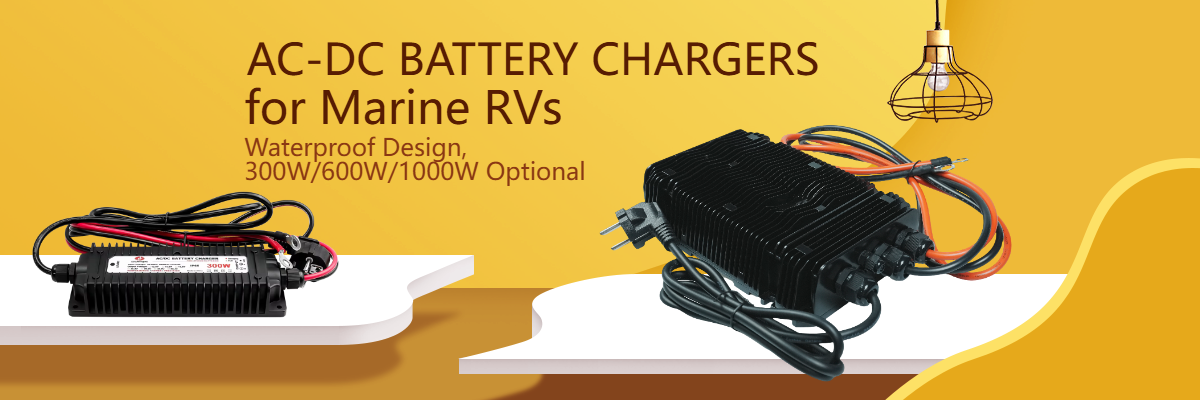
Headquartered in Shenzhen with an onsite-verified production facility, Eltrum has engineered and exported high-efficiency power modules and smart battery chargers to 130+ countries since 2015.
Every industrial charger undergoes polyurethane potting, guarding internal magnetics against road shock, vibration, moisture ingress, and thermal stress during harsh Quebec winters.
We tailor charging voltage curves (12.6V, 14.6V, 29.2V, 43.8V, 58.4V), connector harnesses (Anderson SB50, Crowfoot, Club Car 3-pin round), and firmware charging current profiles.
We empower Canadian custom EV fabricators and maintenance distributors with sample validation quantities starting from just 5 units, backed by comprehensive bench test sheets.
Equipped with Over-Voltage (OVP), Over-Current (OCP), Short-Circuit (SCP), Over-Temperature (OTP), and Reverse Polarity protection to ensure zero damage in commercial operations.
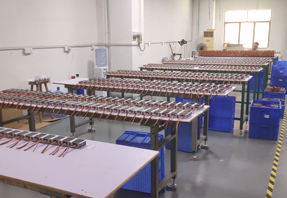
Procuring directly from our ISO 9001 factory eliminates redundant multi-tier distributor margins, granting Canadian purchasers direct access to our core design engineering team. From automated Surface Mount Technology (SMT) component placement to vacuum-pressure impregnation of transformers and 100% full-load burn-in testing chambers, every unit leaving our production lines meets stringent CE and RoHS standards.
Our logistics team regularly coordinates express DDP, FOB, and air freight shipments to Montreal, Laval, and Longueuil, handling documentation and customs compliance seamlessly.
Key technical and logistical queries submitted by golf course superintendents, resort operations managers, and LEV repair facilities in Quebec.
Whether you require a drop-in replacement 48V 1000W charger for a Montreal resort fleet or a custom DC-DC step-down module with RS485 telemetry, our technical team provides rapid quotations and engineering support within 24 hours.