
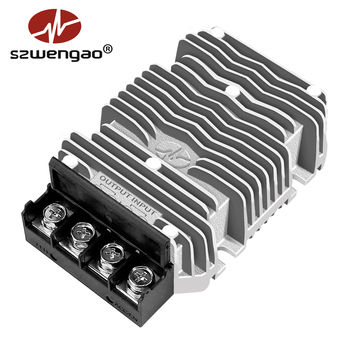
Smart 36V Lithium Battery Charger DC 12V to 43.8V 13A
- Input Voltage12V DC (Alternator/Battery)
- Output CC/CV43.8V (36V LiFePO4 Pack)
- Rated Output Current13A Continuous
- Thermal Threshold-40°C to +85°C Operating
Engineered to mitigate harsh North American climate extremes, transient surge conditions, and battery chemistry shifts with ruggedized IP65/IP68 encapsulation.


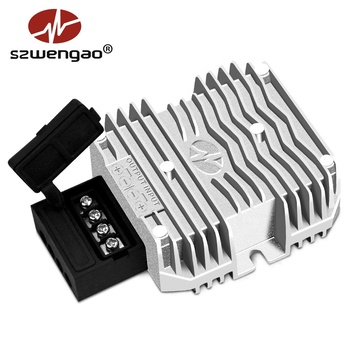
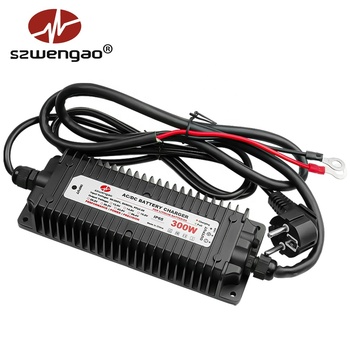
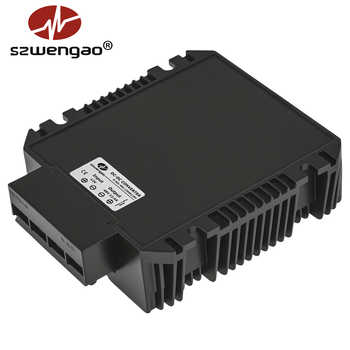
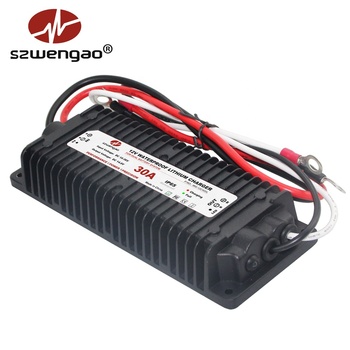
US electrical architectures present distinct electrical stressors: harsh cold-cranking voltage dips down to 6.5V across the Midwest, prolonged high ambient heat up to 60°C in Southwest utility plants, and rigorous compliance checks under SAE J1113-11 (automotive power surges) and UL 121201 (hazardous locations).
Shenzhen Eltrum Electronic Co., Ltd. bridges this cross-continental compliance gap. Operating since 2015 with over 3,000 m² of specialized production space, our engineering team replaces brittle consumer-tier buck converters with industrial-grade planar magnetics, Japanese Nippon Chemi-Con capacitors rated for 105°C, and fully isolated DC-DC bridges that mitigate circulating loop hum and ground faults.
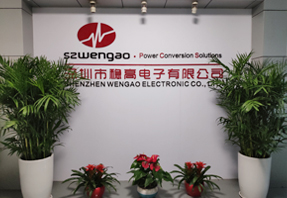
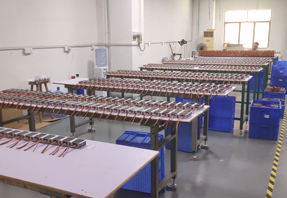
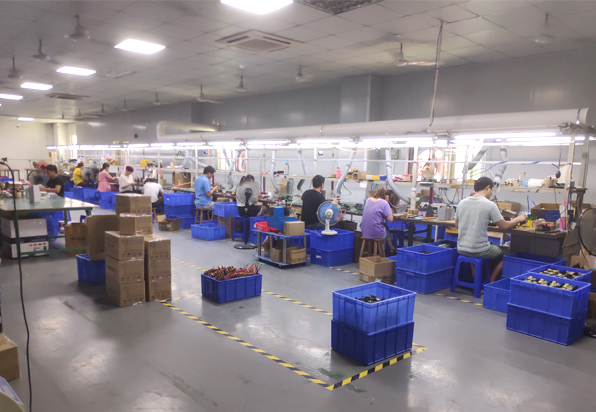
From Tier-1 telecommunication shelters in Texas to commercial EV utility fleets and marine systems in Florida, our power modules deliver mission-critical conversion.
Heavy semi-trucks operating on 24V architecture require ultra-clean 12V rails for electronic logging devices (ELDs), dashcams, and radar collision mitigation. Our 24V to 12V 85A/100A synchronous buck modules prevent voltage droop under severe battery cranking loads.
Distributed cell towers rely on 48V VRLA or LiFePO4 battery banks. Eltrum's galvanically isolated 36–75V to 12V/24V converters provide 1500V dielectric isolation, fully preventing ground loops that distort sensitive SCADA transceivers.
Standard smart alternators fail to fully charge high-capacity secondary LiFePO4 house banks. Our 12V and 36V smart DC-DC chargers inject multi-stage CC/CV curves without stressing the alternator or tripping sensitive on-pack BMS switches.
Strategic supply-chain positioning requires adapting to shifting battery chemistries, digital control loops, and higher industrial voltages.
From automotive mild hybrids to data server racks and robotic automated guided vehicles (AGVs), the transition from 12V to 48V drastically slashes harness weight and I²R resistive losses, elevating demand for high-efficiency 48V to 12V and 48V to 24V step-down converters.
Legacy lead-acid battery chargers with fixed float voltages cause rapid degradation or failure in lithium batteries. Engineering buyers now mandate programmable or multi-stage CC/CV converters with precise 14.6V, 29.2V, or 43.8V cutoff levels to maximize cell longevity.
With domestic lead times often stretching past 26 weeks, American engineering teams are actively establishing direct OEM ties with audited Shenzhen production hubs capable of delivering validated custom units at minimum order quantities as low as 5 units.
Clear answers regarding compliance, tariffs, custom voltage matching, and wholesale logistics.