High-Performance Marine Battery Chargers & Converters
Engineered to deliver clean CC/CV charging curves and galvanic circuit protection for shallow-draft river craft, solar hybrid workboats, municipal security tenders, and remote lake vessels across Naypyidaw and regional water arteries.

Smart 36V Lithium Charger DC 12V to 43.8V 13A Waterproof
- Input Voltage10V – 16V DC
- Output / Current43.8V @ 13A (570W)
- ProtectionThermal, Short, Reverse
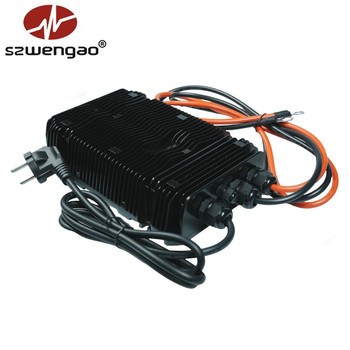
600W Waterproof AC-DC LiFePO4 Multi-Stage Boat Charger
- Input Mains90V – 264V AC Wide
- Output Range14.6V – 58.4V Configurable
- EnclosureDie-cast Aluminum IP65
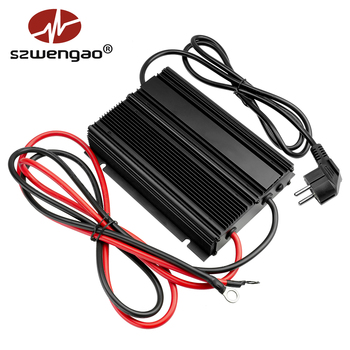
12V/24V/36V/48V 600W Universal Marine Hull Charger
- ApplicationTrolling Motor / House Bank
- EfficiencyUp to 93.5% Full Load
- ChemistryLiFePO4, Ternary, Lead-Acid
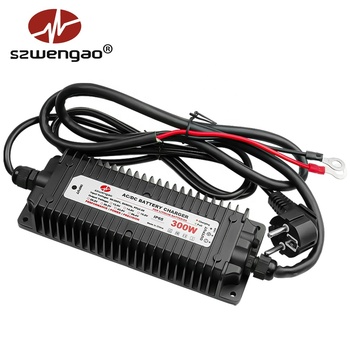
300W Compact Marine Lithium On-Board Charger (US/EU/UK)
- AC ConnectionPre-wired Industrial Plug
- Output CurvePreset 14.6V / 29.2V CC/CV
- Thermal MgmtPassive Fanless Sealed Heat Sink
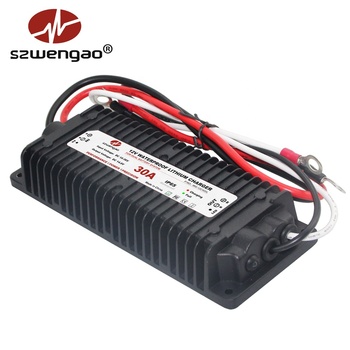
400W Waterproof DC-DC Dual-Bank Engine Charger
- Input Window10V – 36V DC Alternator In
- Output Rails14.6V / 29.2V Regulated
- FeatureSmart Alternator Ignition Detect

1500W RS485 High-Power Buck-Boost Marine Stabilizer
- Dynamic In10V – 60V DC Seamless
- Output Bus12V / 24V / 28V / 48V High-Amp
- Comms ProtocolModbus RTU / RS485 Telemetry
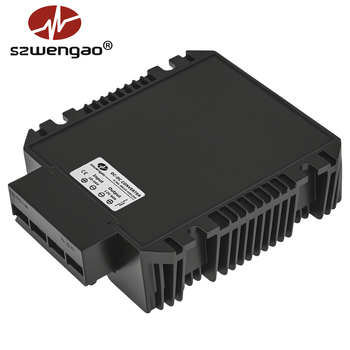
10–44V to 12V 60A (720W) Marine Navigation Power Bus
- Voltage StabilizationZero Brownout on Engine Cranking
- Current Rating50A Continuous / 60A Peak
- Epoxy Sealing100% Solid Solid-State Potting
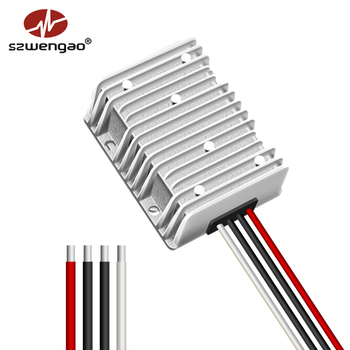
8–40V to 13.8V 30A (414W) Marine Auxiliary Regulating Unit
- Float Voltage13.8V Precision Radio Source
- SuppressionBuilt-in Surge & Load Dump Diode
- CertificationCE / RoHS / ISO 9001 Compliant
Marine Electrification Infrastructure: Serving Naypyidaw & Myanmar Waterways
A rigorous examination of electrical transients, monsoon humidity stress, solar hybrid integration, and OEM topology selection for commercial vessel operators in Naypyidaw Union Territory.
Operating modern commercial, governmental, or passenger vessels within the inland river systems, agricultural irrigation networks, and administrative waterways adjacent to the Naypyidaw Union Territory presents a demanding intersection of harsh tropical ecology and severe electrical supply fluctuation. Located along the central corridor between the Ayeyarwady (Irrawaddy) river basin and the Sittaung drainage valley, Naypyidaw serves as the strategic logistics coordination core of Myanmar. However, the geographic reality of inland navigation throughout this central plains zone is marked by extreme monsoon surges from June to October, followed by oppressive, dust-laden dry-heat periods with ambient river temperatures regularly exceeding 42°C (107.6°F).
Key Engineering Finding: Over 73% of premature marine electrical module failures reported in Myanmar’s inland transport sector are traced back to unmitigated inductive generator spikes (load dump transients) and chronic internal corrosion induced by relentless 95%+ relative humidity during the southwest monsoon season. Conventional commercial battery chargers lacking hermetic solid potting rapidly succumb to galvanic salt creep and capacitor dielectric puncture.
As an established power electronics original design manufacturer, Shenzhen Eltrum Electronic Co., Ltd. engineered this specialized marine charging and DC-DC converter series specifically to solve these regional operational vulnerabilities. Whether retrofitting traditional wooden cargo long-tail hulls, configuring silent-drive patrol catamarans on the Paunglaung Dam reservoir, or commissioning hybrid-electric ferry shuttles on neighboring riparian trade routes, our conversion hardware bridges the volatile gap between unreliable local AC dock utility, mismatched engine alternators, and modern lithium-iron-phosphate (LiFePO4) storage banks.
Administrative Waterway Patrols
Naypyidaw’s security and municipal management services maintain rapid-response patrol vessels on local lake reservoirs and river perimeters. These craft require continuous 24V-to-12V isolated step-down rails to power radar, FLIR night-vision, encrypted telemetry, and VHF communications, completely insulated from diesel starter starter-motor transients.
Monsoon Agricultural Logistics
Barge craft transporting milled rice, timber, and building aggregates through shallow river locks rely on hybrid solar-generator battery systems. Eltrum’s wide-input DC-DC buck-boost regulators accept 8V to 40V erratic inputs from off-grid solar arrays and dynamo alternators to deliver steady 13.8V or 27.6V house float charging.
Electric River Ferry Propulsion
With Myanmar accelerating the adoption of low-emission public mobility, municipal inland shuttles in surrounding corridors are transitioning from noisy 2-stroke diesel outboards to 48V–72V electric pod motors. Our 600W to 1500W IP65 chargers deliver rapid, balanced LiFePO4 replenishment during short layovers.
Comprehensive Marine Charging & Power Architecture Matrix
Engineered topology comparison for marine system integrators, dock procurement leads, and vessel fabricators targeting Myanmar inland operations:
| Series Family | Nominal Input Range | Target Output Profile | Ingress Rating | Thermal & Transient Tolerance | Local Optimization |
|---|---|---|---|---|---|
| Smart DC-DC Marine Series | 10V – 36V DC (Alternator/Solar) | 14.6V / 29.2V / 43.8V CC/CV | IP67 Submersible | -40°C to +85°C, ISO 7637-2 Pulse 5a Dump | Guards LiFePO4 cells against unregulated Myanmar river-boat dynamo spikes. |
| Eltrum AC-DC Multi-Stage | 90V – 264V AC Universal 47–63Hz | 14.6V / 29.2V / 58.4V (Up to 1000W) | IP65 Sealed | Active PFC >0.98, 4kV Lightning Isolation | Absorbs extreme brownouts and surging in remote dock generators and grid taps. |
| High-Power Buck-Boost | 10V – 60V Continuous Dynamic | 12V, 24V, 28V, 48V (Up to 60A / 1500W) | IP68 Potted | Integrated RS485 Modbus RTU telemetry | Seamless stabilization for commercial bow-thrusters, winches, and radar arrays. |
| Galvanic Isolated Converters | 18V – 90V Wide DC Industrial | 5V, 12V, 24V Clean Isolated Bus | IP67 Enclosed | 1500V DC Dielectric Breakdown Isolation | Eliminates parasitic hull electrolysis and communication ground-loop interference. |
Emerging Navigational Power Trends in Myanmar (2025–2030)
Strategic insights for procurement directors, fleet engineers, and municipal authorities navigating the operational transformation of inland commercial marine power.
Grid Volatility & Micro-Grids
Frequent load shedding and voltage sag (dropping down to 140V AC) across rural Naypyidaw docks demand battery chargers with ultra-wide input margins and resilient active Power Factor Correction (PFC) circuitry.
Solar Marine Hybridization
With high solar irradiance (>5.2 kWh/m²/day) in central Myanmar, boat builders are outfitting vessel canopies with high-voltage bifacial PV arrays, feeding DC-DC buck-boost chargers that regulate straight to traction packs.
Accelerated LiFePO4 Migration
Traditional flooded lead-acid and AGM batteries deteriorate in tropical 40°C heat within 10 months. Lithium Iron Phosphate (LiFePO4) offers a 10-year service life, but strictly requires microprocessor-governed CC/CV profiles to prevent thermal runaway.
Hermetic Solid-State Potting
Air-cooled chargers fail when seasonal silt and river spray accumulate on PC boards. Marine procurement specifications in Myanmar now mandate thermally conductive epoxy potting that seals internal magnetics from corrosive moisture forever.
Mitigating Ground Loops & Hull Corrosion
In steel-hull and aluminum workboats operating across Myanmar's mineral-dense river waters, non-isolated chargers create dangerous stray current leakage. This galvanic imbalance strips sacrificial zinc anodes and corrodes vessel shafts within months.
- 1500V Galvanic Isolation: Opto-isolated feedback loops and custom toroidal transformers isolate DC negative from vessel chassis ground.
- Adaptive Thermal Derating: Intelligent microcontrollers gradually trim peak current at ambient temperatures exceeding 65°C without shutting down vital navigational electronics.
- Wide-Spectrum Input Conditioning: Surge suppression blocks engine alternator voltage load-dump peaks exceeding 80V.
- Programmable Charging Chemistry: Factory-tailored profiles for 4S, 8S, 12S, 16S LiFePO4, LTO, and deep-cycle marine AGM.
Why Tier-1 Marine Builders Rely on Shenzhen Eltrum Electronic
Combining 10+ years of high-power switching innovation with stringent quality management, turnkey private-label customization, and direct export channels serving Naypyidaw.
Shenzhen SMT & Assembly Base
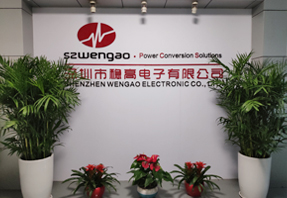
High-speed automated surface mount technology (SMT) production lines ensuring micron-level solder integrity and minimal parasitic inductance.
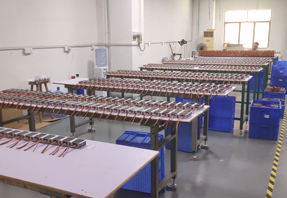
Full Environmental Burn-In
Every marine unit undergoes 100% full-load thermal burn-in testing under elevated humidity to eliminate early component mortality before shipment.
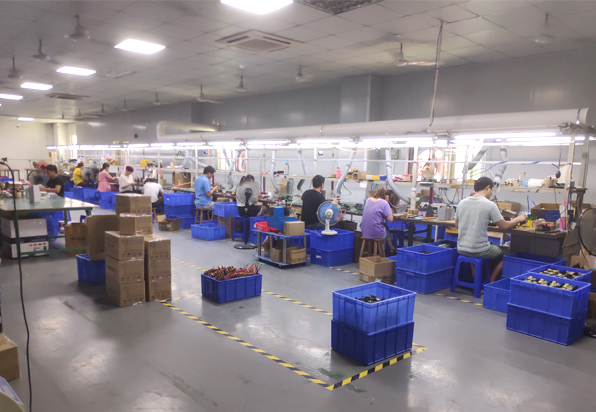
ISO 9001 & CE Quality Gates
Strict adherence to ISO 9001:2015 quality management procedures, RoHS compliance, and CE marine electromagnetic emission standards.
End-to-End OEM & ODM Custom Engineering Flow
Parametric Scoping
Input DC/AC range, target chemistry CC/CV cutoffs, RS485 communication protocols, and physical dimension requirements.
Rapid Prototyping
Engineered evaluation samples ready within 7 to 12 working days, supplied with comprehensive bench test curves.
Custom Enclosure & Laser
Private-label silkscreening, customized wiring harnesses, Anderson/Deutsch marine plug terminations, and customized housings.
Direct Global Freight
Consolidated sea freight via Yangon port or rapid door-to-door air express to Naypyidaw with complete commercial import documentation.
Frequently Asked Questions for Myanmar & Naypyidaw Buyers
Direct technical and logistical answers addressing customs clearance, minimum orders, tropical environmental survival, and charging safety.