Featured Industrial DC-DC Converters & LiFePO4 Chargers
High conversion efficiency (up to 96%), wide operating thresholds, potted IP68 packaging, and robust electromagnetic compatibility designed for extreme maritime and tropical island conditions.

Smart 36V Lithium Battery Charger DC 12V to 43.8V 13A IP68
- TopologyWide Input Boost Charger
- Nominal InputDC 12V (9V–20V Range)
- Output Spec43.8V Constant CC/CV @ 13A
- Ingress RatingIP68 Hermetic Potting

Industrial 24V to 12V Step-Down Buck Converter (85A–100A)
- Input Voltage18V – 35V DC Direct Bus
- Output CurrentUp to 100A Peak (1200W)
- Efficiency95.8% Synchronous Rect.
- ProtectionsOVP, OCP, OTP, Reverse Polarity

1500W Intelligent Wide-Window Buck-Boost Module (10V–60V)
- Input RangeDC 10V–60V Continuous
- Regulated Rails12V / 24V / 28V / 48V Select
- TelemetryRS485 Modbus Protocol
- Thermal ControlIntegrated Heavy Aluminum Fin

Galvanic Isolated 18V–90V to 12V 10A Maritime Converter
- Galvanic Isolation1500V DC Hi-Pot Isolation
- Ultra-Wide In18V–90V DC Universal Rail
- SuppressionCommon-Mode Ground Decoupling
- CertificationCE (EN 61000-6-3), RoHS
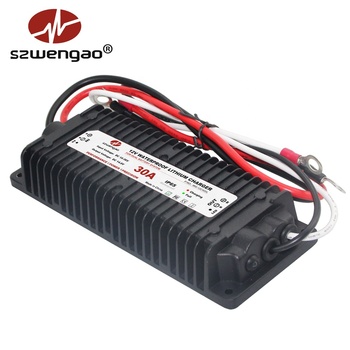
400W Dual-Bank Battery-to-Battery LiFePO4 DC Charger
- Input SourceAlternator / Solar Bus (10V–36V)
- AlgorithmPre-charge, CC, CV, Float Recovery
- Lithium Curve14.6V / 29.2V Precision Set
- MountingMarine Engine Compartment Safe
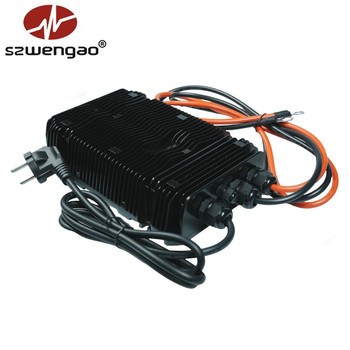
600W Sealed Marine AC-DC LiFePO4 Station Charger
- AC Mains85V–265V AC Universal Line
- Output Voltage14.6V / 29.2V / 58.4V Configurable
- Potted EnclosureDie-Cast Aluminum IP65/IP67
- StandardISO 9001:2015 Manufacturing
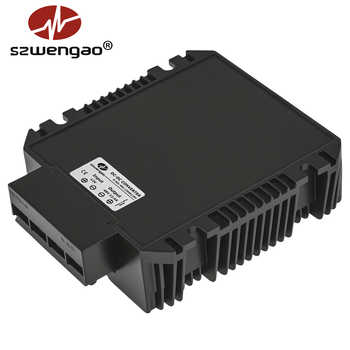
12V to 48V High-Current Step-Up Boost Module (20A / 960W)
- Input Nominal12V DC Battery (10V–16V)
- Output Bus48V Fixed ±1% Regulation
- Thermal Limits-40°C to +85°C Derated Operation
- Efficiency94.2% Full Load
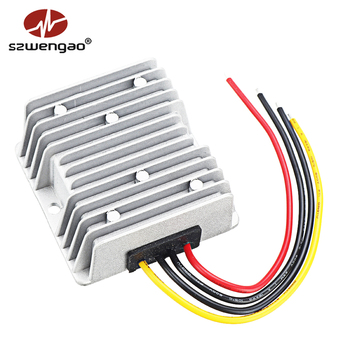
Send an Inquiry
- Input Domain30V–90V Extreme High Bus
- Output Rails24V @ 20A / 12V @ 30A Custom
- ApplicationElectric Marine Drives, Solar EV
- CustomizationBuyer-Label, Custom Connectors
Engineering Wide-Input DC-DC Power Architectures for Bequia & Maritime Island Topographies
A comprehensive technical blueprint on mitigating galvanic hull corrosion, wide voltage drops from battery banks, salt-spray dielectric degradation, and solar microgrid voltage ripple in the Grenadines.
1. The Critical Voltage Stabilization Problem in Bequia’s Marine Ecosystem
Bequia, the largest of the Grenadines within Saint Vincent and the Grenadines, serves as a high-density international maritime crossway for ocean-going catamarans, superyachts in Port Elizabeth and Admiralty Bay, inter-island cargo ferries running from Kingstown, and commercial fishing fleets. The electrical backbone of modern sea-going vessels and coastal energy arrays is inherently DC-centric. However, operating auxiliary navigation electronics (such as Simrad, Raymarine, or Furuno chartplotters, sonar sensors, and satellite comms) directly off engine-cranking lead-acid batteries or rapidly cycling lithium-iron-phosphate (LiFePO4) storage banks poses catastrophic hazards without proper wide-input regulation.
When high-draw hydraulic windlasses, watermakers, or bow thrusters engage under tropical ambient temperatures (frequently exceeding 32°C with 85% relative humidity), DC bus lines suffer sharp transients: 12V starter banks commonly sag down to 8.2V, while sudden engine load disconnection triggers alternator dump spikes exceeding 38V. A non-stabilized or narrow-input converter inevitably suffers thermal shutdown or punch-through breakdown. Eltrum’s wide-input buck-boost converters utilize ultra-fast 120kHz to 300kHz synchronous rectification topologies with wide dynamic voltage windows (such as 8V–40V or 10V–60V input ranges). They maintain tightly controlled output regulation (±1% ripple rejection) under extreme battery sag or charging absorption conditions, guaranteeing uninterruptible navigation, telemetry, and critical communication safety.
Galvanic Ground Loop Isolation
Optocoupled high-frequency planar transformers provide up to 1500V DC isolation between vessel hull grounds and sensitive VHF/AIS sensor arrays, completely preventing catastrophic electrolytic hull corrosion caused by return ground differentials in salt water.
Hermetic Thermal Potting
Every industrial module features thermally conductive flame-retardant epoxy or high-grade silicone potting compound (UL94V-0 rated). This encapsulates internal magnetics and solid-state MOSFETs against salt-fog crystallization, humidity condensation, and aggressive Caribbean sea mist.
Smart CC/CV Charging Profiles
Pre-programmed constant-current/constant-voltage algorithm specifically configured for LiFePO4 battery chemistry. Automatically balances bulk absorption, termination at 3.65V/cell (14.6V per 12V string), and prevents alternator overheating during prolonged low-speed motoring.
2. Off-Grid Energy Transitions: Solving Bequia’s Resort & Marine Storage Incompatibilities
Across Bequia—from the secluded hillsides of Spring Bay and Lower Bay to private eco-luxury estates on Mount Royal—energy resilience is heavily dependent on independent distributed solar photovoltaic (PV) arrays combined with high-capacity battery energy storage systems (BESS). Traditional diesel generation across isolated Caribbean territories suffers from surging maritime fuel shipping costs and carbon emissions. However, modern off-grid installations present a severe DC mismatch challenge: solar charge controllers typically buffer into 48V or 72V nominal battery banks, while existing luxury lighting circuits, Starlink marine terminals, refrigeration compressors, fresh-water pressure pumps, and golf cart utility equipment operate strictly on 12V or 24V DC.
Tapping individual battery cells from a large pack creates dangerous cell imbalance, rapidly ruining thousands of dollars in lithium cells. Eltrum’s high-efficiency step-down (buck) converters bridge this gap effortlessly. By converting 48V or 72V down to stable 12V or 24V with current handling capacities reaching 100A (1200W+ continuous), our hardware allows microgrid engineers on Bequia to build balanced high-voltage energy storage loops while powering high-amperage sub-systems with near-zero acoustic noise and virtually no thermal penalty.
| Converter Architecture | Input Voltage Window | Efficiency | Galvanic Isolation | Primary Bequia Deployment Use Case | Factory Certification |
|---|---|---|---|---|---|
| Isolated DC-DC Buck/Boost | 18V – 90V DC Universal | 89% – 93% | 1.5kV Optical/Magnetic | Steel/Aluminum hull yachts in Admiralty Bay, marine VHF/AIS, telecom towers | CE, RoHS, ISO 9001 |
| Wide Buck (Step-Down) | 30V – 90V DC Direct | 94% – 96.5% | Non-Isolated (Common GND) | Solar 48V/72V microgrid stepped down to 12V lighting, watermakers, refrigeration | CE, RoHS, EN 55032 |
| Buck-Boost Stabilizer | 9V – 40V / 10V – 60V | 92% – 95% | Non-Isolated | Cranking battery voltage sag protection for navigation chartplotters & Starlink | CE, RoHS, IP68 Sealed |
| Smart LiFePO4 DC Charger | 10V – 36V / 18V – 90V | 93.5% Constant | Isolated / Non-Isolated Options | Battery-to-Battery alternator charging for liveaboard catamarans & utility EVs | CE (EN 60335), RoHS |
3. Long-Term Development Trends: Decarbonization & E-Mobility Across the Grenadines
As part of the Caribbean Community (CARICOM) regional energy transition mandates, Saint Vincent and the Grenadines is actively advancing clean electrification targets to diminish reliance on imported heavy diesel fuel. In Bequia, this macro trend is visibly manifesting in three fast-accelerating sectors:
A. Electric Tender Craft & Hybrid Marine Vessels: The waters between Port Elizabeth, Princess Margaret Beach, and Friendship Bay are witnessing increased adoption of electric outboards and hybrid auxiliary systems. These setups require smart waterproof chargers capable of taking intermittent 12V–24V engine bus voltages or dockside solar DC feeds and stepping up to 36V, 48V, or 96V traction packs via precision multi-stage CC/CV curves.
B. Off-Highway Commercial Utility Fleets: The steep topographical inclines of Bequia's interior hills demand dependable light electric vehicles (LEVs) and commercial golf cart transporters for luggage and provisions. Converting high-voltage battery banks (48V–72V) down to clean 12V rails for high-output LED spotlights, horns, dash cameras, and tracking hardware requires ruggedized buck regulators that can handle relentless mechanical vibration and dust exposure without micro-fracturing internal solder joints.
C. Autonomous Telecommunications & Remote Climate Monitoring: Weather radar, emergency radio repeater towers, and meteorological buoys positioned across offshore cays rely exclusively on solar-battery installations. Using industrial-grade isolated converters guarantees zero cross-talk interference with VHF marine safety channels (156–162 MHz), compliant with rigorous CE EMC emission limits.
Why Maritime Engineers & Caribbean Contractors Partner With Shenzhen Eltrum Electronic
Established in 2015, Shenzhen Eltrum Electronic Co., Ltd. is an onsite-verified high-tech manufacturer specializing in synchronous power conversion, transformer isolation, and intelligent battery charging architectures.
ISO 9001:2015 Certified Assembly
Our 3,000 m² Shenzhen facility houses automated SMT pick-and-place lines, planar winding stations, high-vacuum epoxy potting chambers, and computerized burn-in aging racks. Every production batch undergoes 100% full-load thermal stress testing before packaging.
OEM / ODM Flexible Customization
From sample pilot runs of 5 units to bulk sea container shipments, our R&D engineering team designs custom PCB profiles, tailored output voltages (e.g. 13.8V, 27.6V, 43.8V, 58.4V), special Anderson/Deutsch connectors, and private buyer labels.
CE & RoHS International Conformity
Engineered to meet the stringent directives of EU and international regulatory bodies. Our converters achieve low radiated and conducted emissions (EN 61000, EN 55032 Class B), ensuring crystal-clear marine radar, SSB radio, and audio operations without noise hum.
Frequently Asked Questions for Bequia & Regional Caribbean Buyers
Detailed answers addressing ocean logistics, customs, installation best practices, and engineering selections for projects in Saint Vincent and the Grenadines.
How are Eltrum DC-DC converters and chargers shipped to Bequia, SVG?
When should I specify an Isolated DC-DC converter versus a Non-Isolated module on a vessel in Admiralty Bay?
Can your DC-DC battery chargers properly charge LiFePO4 batteries from marine alternators without burning out the alternator?
What protections are built in against tropical salt-fog air and heat dissipation?
What is the Minimum Order Quantity (MOQ) and payment options for businesses in St. Vincent & the Grenadines?
Need Custom Voltage Engineering or Volume Quotation for Bequia?
Send your input battery parameters, nominal load requirements, and desired waterproof casing specifications. Our direct Shenzhen engineering team reviews every technical inquiry and returns detailed datasheets, pin-out diagrams, and wholesale FOB pricing.