
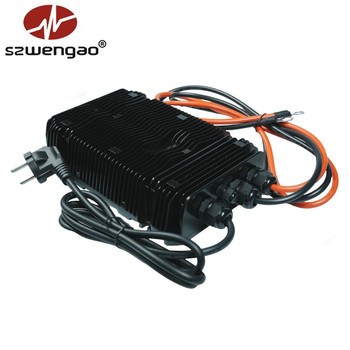
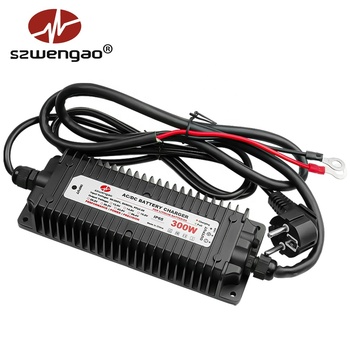
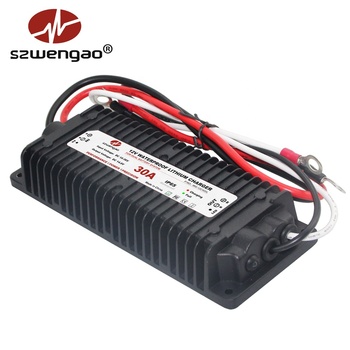
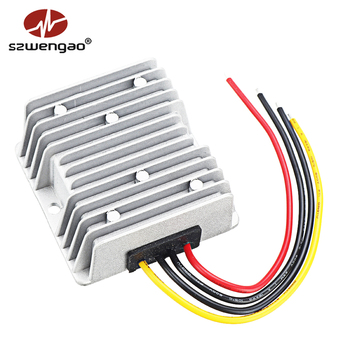
Smart 36V 13A Waterproof Lithium Battery Charger
- TopologyDC-DC Step-Up Boost
- Input VoltageDC 10–18V (12V Nominal)
- Output CC/CV43.8V @ 13A (570W)
- Ingress RatingIP68 Full Epoxy Potted
Engineered for high-humidity coastal zones, marine crafts, EV fleets, and island microgrids. Fully CE and RoHS verified under ISO 9001 quality supervision.



Berekua and surrounding coastal Caribbean regions present severe operating hurdles for battery storage and charging systems, dominated by salt-fog galvanic corrosion, erratic grid frequencies, and elevated thermal thresholds.
Due to isolated grid distribution lines susceptible to hurricane events and line surges, distributed energy storage systems (BESS) require intelligent chargers capable of tolerating harmonic distortion from 45Hz to 65Hz while holding an unyielding 0.2% voltage tolerance for lithium iron phosphate (LiFePO4) cell health.
Transitioning maritime vessels from lead-acid starter banks to high-energy lithium power requires ruggedized DC-to-DC converters. Direct alternator connection to lithium yields alternator burnouts due to zero internal impedance; our smart CC/CV chargers act as galvanic thermal firewalls.
Tower sites scattered across mountainous rainforest topographies demand zero downtime. Our isolated 18–90V buck-boost modules deliver clean 12V and 24V logic power to telecom transmitters without ground loops, protected against 100% condensing relative humidity.
Shenzhen Eltrum Electronic Co., Ltd. operates a high-density, ISO 9001:2015-certified production facility tailored specifically for wide-voltage switch-mode power supplies (SMPS) and industrial battery chargers. Unlike trading intermediaries, we control every trace, winding, and potting protocol.
Every single lithium battery charger unit leaving our lines undergoes multi-stage automated optical inspection (AOI), full-temperature chamber functional validation, and extended 100% full-load dynamic burn-in cycles to guarantee zero infant mortality in offshore installations.
A data-backed examination of power electronics advancement across regional microgrids and off-grid mobile infrastructure over the coming decade.
Silicon carbide (SiC) MOSFETs are actively replacing standard silicon silicon superjunctions in our premium 1000W+ chargers, diminishing switching dissipation by 45%. This enables sealed IP67 units to operate continuously without active forced-air blowers that fail under salt air ingress.
Static charging profiles often damage bespoke battery management systems (BMS). Modern tenders in commercial transport require software-definable CC/CV curves, programmable via CANopen or Modbus RTU, ensuring seamless coordination with tier-1 LFP, NMC, and LTO cell chemistries.
Stepping DC down to AC and back up to DC causes an unacceptable 18-24% cumulative thermal loss. The regional trajectory favors DC-coupled microgrids: high-voltage solar strings feed DC-DC buck converters directly to recharge battery banks at over 96.5% system efficiency.
Addressing the critical compliance, logistical, and technical engineering considerations encountered when sourcing high-power charging systems.
Speak directly with our power supply architects to configure custom input envelopes, thermal specifications, and compliance documentation tailored for your regional deployment.