Featured Industrial DC-DC Modules & Intelligent Chargers
Bench-tested high-density modules engineered with military-grade silicon, potting encapsulation, and robust thermal dissipation architectures to operate reliably across Vancouver's harshest maritime and industrial conditions.

Smart 36V 13A Waterproof LiFePO4 DC-DC Charger (12V to 43.8V)
- Input Voltage9–18V DC Wide Range
- Output Charging43.8V CC/CV (13A)
- Protection RatingIP68 Fully Encapsulated
- Key UseEVs, Marine Dual-Banks

1500W Dynamic Buck-Boost Stabilizer (10–60V Input with RS485)
- Input Span10–60V Multi-Bus Range
- Regulated Output12V / 24V / 48V (Up to 1500W)
- TelemetryModbus RTU over RS485
- ApplicationMobile Cranes & Harsh Telecom
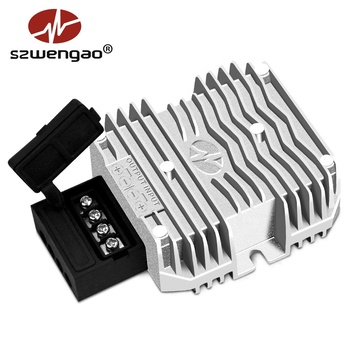
Galvanic Isolated 18–90V to 12V 10A Ground-Loop Isolator
- Input Compatibility18–90V Universal DC
- Dielectric Isolation1500V DC High Potential
- Output Rail12V DC Regulated (10A)
- ApplicationTraction Rail & Forklifts

Industrial Heavy-Duty 24V to 12V 100A Synchronous Buck Converter
- Conversion Ratio24V Nominal Step-Down
- Output Power12V / 100A Continuous (1200W)
- Thermal ControlIntegrated Anodized Heatsink
- Target FleetEV Transit, Logging Trucks
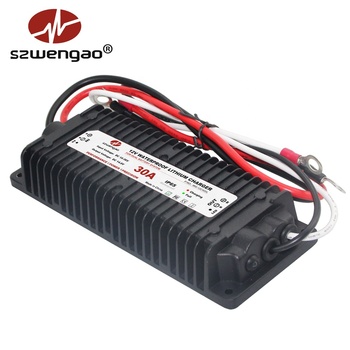
400W IP68 Battery-to-Battery LiFePO4 Charger (10–36V Input)
- Input Voltage10–36V Alternator Profile
- Multi-Stage Curves14.6V / 29.2V / 43.8V CC/CV
- Alternator ProtectionIgnition Triggered Cut-off
- Target PlatformOverland Expeditions, Yachts
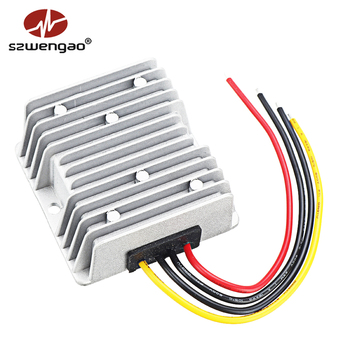
72V / 48V to 24V 20A E-Mobility Buck Converter Module
- Ultra-Wide Input30–90V Traction Rail Range
- Stable Auxiliary24V DC / 20A (480W)
- Transient ClampIntegrated TVS Surge Guard
- Use DomainAGVs, Electric Harvesters
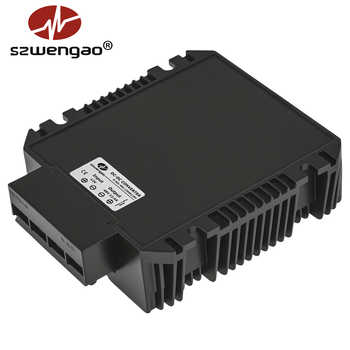
High-Efficiency 12V to 48V 20A Waterproof Boost Power Converter
- Low-End Input9–20V High Amp Ingestion
- Stepped-Up Bus48V DC Precision Rail (960W)
- Ingress GuardThermal Epoxy Vacuum Potted
- Typical LoadStarlink, POE Switch Arrays
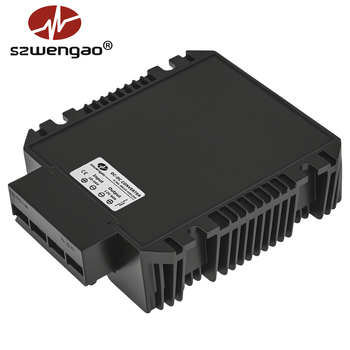
Wide-Band 10–44V to 12V 60A Constant-Voltage Stabilizer
- Fluctuation SupportSeamless Flyback/Buck-Boost
- Zero-Sag Output12V DC @ 60A (720W Stable)
- Temperature Range-40°C to +85°C Operating
- DeploymentBC Off-Grid Cold Enclosures
Navigating Dynamic Impedance and Thermal Derating in Metro Vancouver's Industrial Ecosystem
Modern electrical engineering across British Columbia presents distinctive environmental hurdles. Designers operating in Greater Vancouver, Burnaby, Richmond, and Surrey face dense maritime salt spray, rapid condensation spikes due to coastal humidity, and wide ambient excursions ranging from Pacific winter lows to remote mountain interior sub-zero operating environments. Eltrum's line of CE and RoHS certified DC-DC power modules integrates advanced planar magnetics and high-frequency synchronous rectification to counteract cold-start resistive impedance and thermal dissipation limits.
When selecting switching topologies for localized Canadian applications, system architects must evaluate dynamic source conditions. An automotive or tugboat alternator operating off the Fraser River experiences severe load-dump voltage transients (conforming to ISO 7637-2 specifications). Meanwhile, off-grid lithium iron phosphate (LiFePO4) solar microgrids in the Coast Mountains require tight output regulation across extreme temperature variations.
| Conversion Class | Primary Input Envelope | Efficiency Benchmark | BC Regional Strategic Deployment |
|---|---|---|---|
| Isolated Industrial | 18–90V Wide Input | 91% – 93.5% | SkyTrain auxiliary instrumentation, harbor vessel navigation, floating telecom |
| Non-Isolated Buck | 24V / 48V / 72V Nominal | 95% – 97.2% | Electric transit buses, automated warehouse AGVs, forestry log-haulers |
| Buck-Boost Dynamic | 9–40V / 10–60V Wide Swing | 93% – 95% | Battery voltage sag compensation during engine cold-cranking (-35°C rating) |
| Intelligent DC-DC Charger | 12V / 24V Dual-Bank Input | 94% (CC/CV Profile) | Commercial boat house-battery conditioning, LiFePO4 cold-climate integration |
Unlike consumer-grade switching supplies, Eltrum encapsulations employ vacuum-injected, thermally conductive polyurethane elastomer. This construction prevents salt mist micro-corrosion, completely resists prolonged marine condensation, and mitigates localized hotspots across high-drain power MOSFET junctions.
Field Engineered for British Columbia's Critical Industries
Direct drop-in conversion hardware certified to meet the demanding technical standards of Vancouver's ports, transit authorities, clean-tech incubators, and renewable utilities.
Port of Vancouver & Marine Electrification
Commercial tugs, hybrid passenger ferries, and fishboats operating along Burrard Inlet require galvanic isolation to prevent electrolytic hull corrosion. Our 18–90V isolated DC-DC modules ensure floating ground potential, cleanly powering radar arrays, NMEA 2000 backbones, and Sonar electronics without risk of ground loop interference.
Off-Grid Clean Energy & Telecom Mountaintops
Telecommunications relay towers in Whistler, Squamish, and northern Vancouver Island depend on solar-plus-storage banks subject to harsh winter freezing. Our buck-boost regulators deliver rock-solid 12V and 24V supply rails despite extreme lead-acid or LiFePO4 voltage sag caused by sub-zero cold-soak scenarios.
Municipal Transit & Commercial Fleets
Heavy urban transit systems across Metro Vancouver utilize our high-amperage 24V to 12V (up to 100A) synchronous buck units to isolate onboard ticketing validator sensors, high-definition digital surveillance cameras, and fleet telemetry modules from electrical transients caused by pneumatic brake retarding compressors.
BC Energy Shift: Emerging Trends Shaping DC Power Conversion
How regional legislation, net-zero clean technology initiatives, and industrial robotics adoption are redefining DC power procurement across the Pacific Northwest.
CleanBC Net-Zero Commercial Directives
Provincial emissions mandates are driving widespread retrofits of diesel workboats and warehouse forklifts toward 48V, 72V, and 80V LiFePO4 battery chemistry. OEMs need high-voltage step-down converters that maintain minimal quiescent current draw during vessel hibernation.
Mitigating Trans-Pacific Supply Bottlenecks
Vancouver engineering houses are turning to certified Shenzhen manufacturers that offer rapid air-express sample validation combined with low MOQs (from 5 units), bypassing domestic catalog distributors who impose markup margins exceeding 300% on legacy catalog stock.
Integration of Intelligent Modbus/RS485 Telemetry
Modern microgrids and industrial battery installations increasingly demand bidirectional status monitoring. High-wattage DC-DC converters now feature digital RS485 communication protocols, allowing operators to monitor thermal metrics, current draw, and fault conditions remotely via SCADA.
Shenzhen Engineering Strength, Global Delivery Standards
Shenzhen Eltrum Electronic Co., Ltd. combines advanced in-house R&D with stringent multi-stage automated testing to support electrical contractors and system integrators throughout British Columbia.
ISO 9001, CE & RoHS Certified
Every converter series undergoes full electrical testing, high-voltage withstand checks, and thermal burn-in under heavy load before leaving the factory floor, ensuring seamless CSA/UL field review approvals.
Flexible OEM / ODM Customization
From fine-tuning proprietary LiFePO4 absorption voltage curves to designing custom CNC-milled waterproof aluminum housings and Anderson-plug wire harnesses, our engineers modify production quickly to match your exact drawings.
Agile Batch Volumes (MOQ from 5 Units)
We eliminate high minimum order volume hurdles. Vancouver R&D engineering firms and local retrofitters can evaluate functional prototypes in small batches before committing to high-volume commercial production.
Expedited Vancouver Delivery Channels
We leverage priority air courier routes directly to Vancouver International Airport (YVR) alongside consolidated maritime container shipping through YVR ports, securing reliable lead times that keep project timelines on schedule.
Vancouver Technical & Commercial FAQ
Essential questions asked by Canadian purchasing agents, electrical engineers, and OEM builders regarding product compliance, testing, and system integration.
Are your DC-DC converters compatible with Canadian electrical standards?
Yes. All Eltrum power conversion hardware is manufactured under an ISO 9001 certified quality control system and carries formal CE and RoHS certifications. Our components utilize flame-retardant potting compounds (rated UL94V-0) and can easily be incorporated into machinery intended for field inspection by CSA or local safety authorities (such as Technical Safety BC).
How do your modules handle Vancouver's damp marine salt fog?
Our ruggedized converter series feature completely enclosed aluminum alloy housings vacuum-sealed with high-thermal-conductivity epoxy potting (rated IP68). This makes them completely impervious to coastal atmospheric corrosion, heavy humidity condensation, water spray, and continuous mechanical vibration on tugboats or exposed vehicle chassis.
What is the minimum order quantity (MOQ) and lead time for shipments to BC?
Standard models maintain a low MOQ of just 5 units, allowing engineers to carry out bench testing and field validation without excess overhead. Rapid prototype samples can be air-shipped to British Columbia via DHL/FedEx/UPS in 4 to 7 business days, while commercial production runs ship via ocean freight directly to Metro Vancouver terminals.
When is an isolated converter needed instead of a standard common-ground model?
Galvanic isolation is recommended when operating on marine vessels with metal hulls to prevent stray-current galvanic corrosion, or in positive-ground telecom networks and high-voltage electric vehicle traction setups (48V to 90V). Isolation separates input and output grounds completely, blocking harmful electrical noise and protecting sensitive PLCs, audio modules, and sensors.
Ready to Integrate Reliable DC-DC Power Conversion?
Consult directly with our experienced power electronics engineers. Whether you need standard inventory pricing or custom voltage and charging profiles for industrial deployments in Vancouver, our team provides comprehensive datasheets and direct factory quotations within 24 hours.
Send an Inquiry