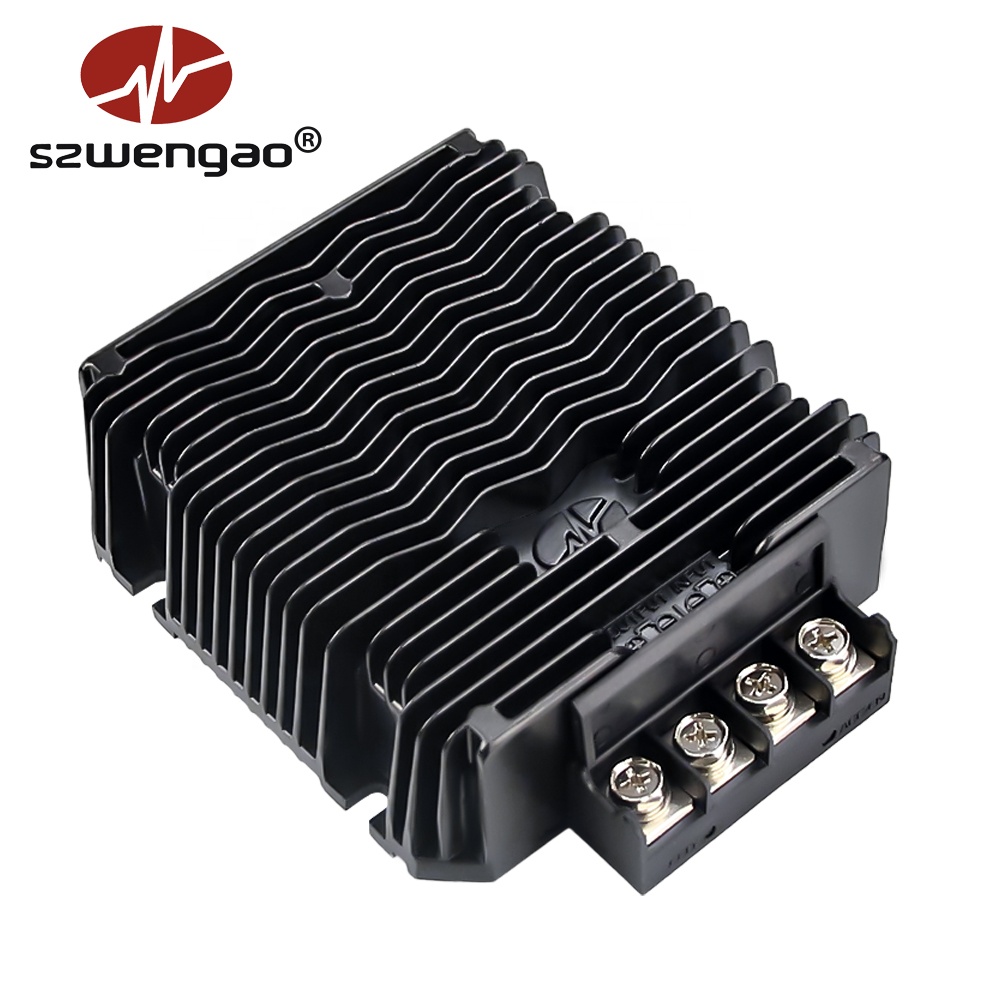
Smart 36V Lithium Battery Charger DC 12V to 43.8V 13A Waterproof
- Input Voltage: 12V DC (Alternator/Batt)
- Regulated Output: 43.8V DC @ 13A
- Ingress Rating: IP68 Epoxy Encapsulated
- Topology: Smart CC/CV Boost/Buck
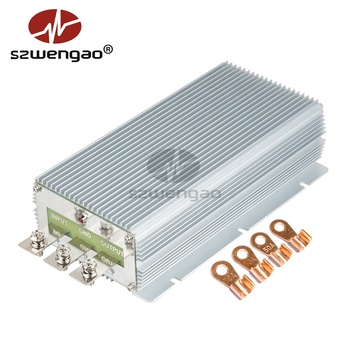
24V to 12V 85A/100A Heavy-Duty Buck Converter Module
- Nominal Input: 24V DC (18–36V Span)
- Continuous Output: 12V DC @ 85A–100A (1200W)
- Efficiency: Up to 96.5% Synchronous
- Protection: OVP, OCP, OTP, Short Circuit
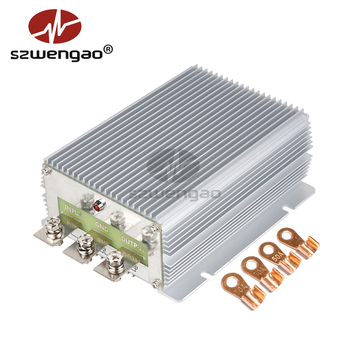
48V to 24V 40A 1000W Synchronous DC Buck Power Module
- Input Window: 36–60V DC Industrial Bus
- Regulated Output: 24V DC Steady @ 40A
- Housing: Fin-Cooled Aluminum Alloy
- Certifications: CE, RoHS, ISO 9001 Audited
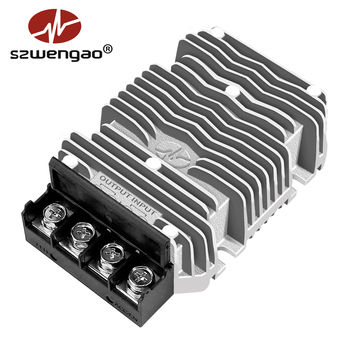
30–60V to 12V 50A/60A High-Current Step-Down Regulator
- Operating Input: 30V–60V DC Nominal 48V
- Output Power: 12V DC Up to 720W
- Environmental: -40°C to +85°C Ruggedized
- Potting: Vacuum Pure Polyurethane
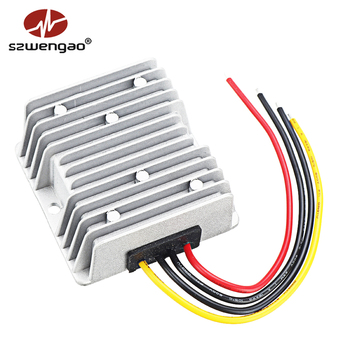
30–90V (72V Bus) to 24V 10A/20A Wide-Input Buck Module
- Ultra-Wide Input: 30–90V DC (Supports 72V/80V)
- Output Current: 24V DC @ 20A Peak 480W
- Applications: E-Mobility, Port AGV, Cranes
- MTBF: >120,000 Hours @ Telcordia SR-332
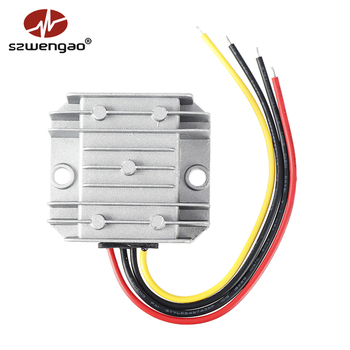
18–90V to 12V 10A Industrial Step-Down Voltage Regulator
- Input Dynamic: 18V to 90V Continuous
- Output Voltage: 12V DC ±1.0% Low Ripple
- Ripple & Noise: <50mVp-p Filtered Output
- Waterproof: Complete IP68 Sealed Enclosure
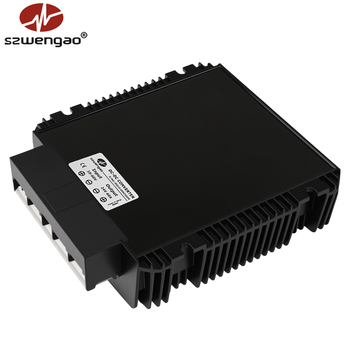
1500W High-Power Stabilizer Buck-Boost with RS485 Bus
- Input Flexibility: 10–60V DC Dynamic
- Output Profile: 12V / 24V / 28V / 48V Programmable
- Telemetry: RS485 Modbus RTU Integrated
- Power Capacity: 1500W Continuous Duty
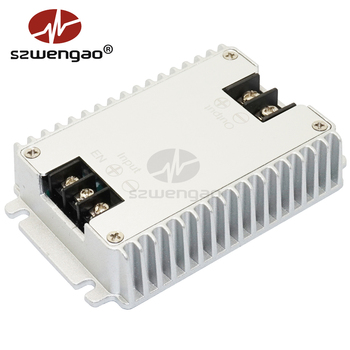
Galvanically Isolated 36–75V to 24V 5A Subsea/Telecom Module
- Isolation Rating: 1500V DC Galvanic Isolation
- Input Window: 36–75V (Standard Telecom 48V)
- Ground Loop Shield: Complete Primary/Secondary Break
- Standards: EN 61000-6-2, EN 61000-6-4 EMC
Precision DC-DC Power Conversion for the Rogaland Offshore & Maritime Corridor
As Western Norway accelerates both hydrocarbon decarbonization and floating offshore wind deployment, power conversion architectures require unprecedented levels of thermal resilience, salt-mist ingress immunity, and harmonic suppression.
Stavanger, recognized globally as Norway’s offshore energy capital and the operational epicentre for leading North Sea operators, subsea engineering titans, and maritime shipyards, represents one of the world's most demanding procurement environments for high-reliability electronics. DC-DC buck converter modules (step-down voltage regulators) are foundational building blocks within this ecosystem. They are tasked with stepping down erratic, noise-polluted DC distribution voltages—sourced from 110V emergency station battery banks, 48V topside telecommunication arrays, 72V autonomous maritime logistics battery packs, or fluctuating subsea tether lines—into ultra-stable, precision-filtered 12V, 24V, and 5V power rails.
In standard terrestrial computing or light automotive settings, non-encapsulated buck converters operating at generic switching frequencies may suffice. However, deployment within the North Sea corridor—encompassing Risavika Port, Dusavik offshore logistics base, Mekjarvik marine fabrication clusters, and remote floating platforms across the Johan Sverdrup and Sleipner fields—subjects power hardware to severe stressors. Ambient conditions include dense, highly conductive saline atmosphere, extreme cyclic thermal swings (-40°C winter sea spray to elevated engine room temperatures of +60°C), heavy mechanical vibration conforming to DNV vessel vibration classes, and significant conducted electromagnetic interference (EMI) originating from megawatt-scale variable frequency drives (VFDs) powering subsea pumps and deck thrusters.
The Architectural Demands of Rogaland's Industrial Transformation
Procurement teams and system integrators across Stavanger, Sandnes, and Sola require buck converter module exporters capable of guaranteeing complete supply-chain traceability, documented compliance with European electrical safety directives, and rapid customization of input voltage spans. From small-batch sampling for subsea robotics prototyping to containerized deliveries for fleetwide hybrid vessel refits, the local market prioritizes three critical electrical vectors:
1. Wide Dynamic Dynamic Input Ranges: Battery systems in marine service experiences violent voltage droop during high-inrush deck equipment starts, followed by substantial inductive flyback spikes when anchor winches or dynamic positioning (DP) thrusters disengage. Our step-down buck regulators are engineered with high-voltage transient suppressors (TVS), heavy-duty input electrolytic smoothing capacitors with ultra-low equivalent series resistance (ESR), and high-dielectric-strength inductors capable of swallowing continuous wide-window inputs (e.g., 18–90V or 30–60V) without dropping regulation or suffering gate-oxide puncture.
2. Complete Potting and Ingress Protection (IP67/IP68): Salt air infiltration induces catastrophic dendritic electrochemical migration across exposed PCB traces within months. Eltrum integrates complete vacuum potting using modified, flame-retardant (UL94 V-0) high-thermal-conductivity polyurethane or epoxy resin compounds. This eliminates moisture ingression, absorbs continuous multi-axis mechanical shock up to 50G, and transfers core thermal energy evenly to the ribbed extruded aluminum outer casing.
3. Low Conducted and Radiated EMI (EMC Compliance): Offshore platforms and sophisticated seismic research vessels operate hyper-sensitive hydroacoustic sonar, telemetry antennas, and satellite communications. A poorly filtered DC-DC switching regulator acting as an accidental radio transmitter is unacceptable under NORSOK and DNV-GL standards. Eltrum’s buck regulators incorporate dual-stage internal LC Pi-filters, planar magnetics with shielded magnetic cores, and optimized PCB trace geometry that suppresses switching frequency harmonic bleed well within EN 61000-6-4 industrial emission thresholds.
Localized Application Scenarios Across Stavanger & the North Sea
Engineered specifically to solve complex distributed power challenges across Rogaland's marine, subsea, and offshore engineering operations.
Offshore Topsides & Platform Telemetry
Topside monitoring systems, valve actuators, and remote emergency shutdown telemetry on North Sea production platforms frequently draw power from floating 48V or 110V DC centralized station battery banks. Eltrum buck regulators convert these high-voltage buses to stabilized 24V or 12V rails with continuous galvanic and transient isolation, ensuring critical field sensors remain operational through platform power switchovers.
Hybrid Offshore Supply Vessels (PSVs) & Workboats
Modern platform supply vessels (PSVs) operating out of Stavanger's Dusavik base rely on containerized hybrid battery energy storage systems (BESS) running at 72V–80V or higher. Our heavy-duty 100A synchronous buck modules step down these high-capacity traction reserves to feed navigation radar, LED floodlight clusters, communication transponders, and deck steering hydraulics without loading auxiliary diesel gensets.
Subsea ROVs & Deepwater Trenching Robotics
Unmanned remotely operated vehicles (ROVs) deployed for North Sea pipeline inspection, subsea Christmas tree servicing, and seabed survey encounter deepwater hydrostatic pressures inside oil-compensated pods. Eltrum compact step-down modules provide intermediate voltage step-down from umbilical lines to drive pan-and-tilt 4K cameras, multibeam sonars, optical encoders, and robotic arm servo manipulators.
Aquaculture Automated Feeding Barges in Boknafjorden
Rogaland’s intensive coastal aquaculture facilities operate unmanned, remote feeding barges exposed to non-stop wave slap, high humidity, and salt fog. Decentralized solar-diesel battery setups (typically 48V LiFePO4 packs) rely on our 48V to 24V/12V step-down converters to power automated biomass pellet blowers, camera telemetry, water quality dissolved oxygen loggers, and satellite uplink relays.
Floating Wind Turbine Nacelles & Substation SCADA
Pioneering offshore floating wind initiatives like Hywind Tampen require internal nacelle power conversion hardware that functions maintenance-free for years. Our wide-input buck converters step down raw 48V/60V auxiliary buses to feed condition monitoring vibration sensors, yaw motor controllers, aviation hazard obstruction lights, and industrial Ethernet switches without thermal choking.
Harbor Logistics, Electric Cranes & AGVs at Risavika
Automated guided vehicles (AGVs), electric terminal tractors, and quayside container spreaders in the Port of Stavanger operate heavy 48V to 80V traction battery arrays. Step-down buck modules supply regulated 12V auxiliary power for LIDAR navigation suites, collision avoidance sensors, heavy contactor coils, and onboard telematics modules without requiring auxiliary 12V starter batteries.
Macro Trends Shaping Power Electronics Procurement in Western Norway
Technological transitions across the North Sea Continental Shelf dictate next-generation specifications for buck converter modules.
The energy ecosystem in Rogaland county is experiencing a historic dual-track transformation. On one side, stringent Norwegian petroleum safety authorities (Havindustritilsynet) and operators are mandating aggressive emission abatement, resulting in the massive electrification of offshore assets using subsea power cables from shore (Kraft fra land). On the other, regional maritime yards are transitioning passenger catamarans, fast ferries (hurtigbåter), and offshore support craft from conventional marine gas oil (MGO) to battery-hybrid and pure electric propulsion.
1. Direct Electrification from Offshore DC Microgrids
As offshore topsides substitute localized gas turbine generators with high-voltage AC shore links, internal distribution networks are transitioning toward modular DC microgrids to cut transformer weight and eliminate reactive power losses. Centralized DC buses distribute 48V, 110V, or 380V DC throughout topside utility skids. Buck converter exporters serving this market must deliver step-down units capable of interfacing directly with high nominal buses while maintaining rock-solid line regulation (<0.5%) even during primary shore cable switching transients.
2. Migration to High-Energy LiFePO4 Chemistry
Lead-acid and nickel-cadmium backup banks are being systematically phased out across Stavanger maritime vessels in favor of Lithium Iron Phosphate (LiFePO4) storage due to its superior cycle life, high discharge capability, and thermal stability. However, LiFePO4 voltage discharge curves are notoriously flat, followed by a precipitous drop-off at end of charge, while alternator charging cycles expose auxiliary loads to aggressive overvoltage spikes. Modern buck converters must feature tight internal clamping and ultra-fast dynamic transient response (<200μs recovery) to protect delicate onboard navigational electronics from load-dump spikes and severe undervoltage sagging.
3. Demand for Remote Digital Telemetry (RS485 / Modbus RTU)
Unmanned offshore installations (Subsea on a Stick) and automated fish-farming barges in the Ryfylke archipelago have made manual multimeter inspection obsolete. System architects in Stavanger require buck converters and smart charger modules equipped with digital serial interfaces. Eltrum's high-power buck and buck-boost modules (such as our 1500W platforms) integrate RS485 interfaces delivering live telemetry of real-time input voltage, output current draw, internal heatsink thermal readouts, and fault diagnostic registers directly to centralized SCADA systems.
| Module Series | Input Voltage Span | Regulated Output | Conversion Topology | Efficiency | Ingress / Thermal Spec |
|---|---|---|---|---|---|
| ELT-BK-2412-100 | 18V – 36V DC | 12V @ 100A (1200W) | Synchronous Buck Step-Down | 96.2% | IP68 Potted, -40°C to +85°C |
| ELT-BK-4824-40 | 36V – 60V DC | 24V @ 40A (960W) | Synchronous Buck Step-Down | 96.8% | Extruded Fin Heatsink, IP67 |
| ELT-BK-7212-20 | 30V – 90V DC | 12V @ 20A (240W) | Wide-Input High-Voltage Buck | 94.5% | Pure Polyurethane Resin, IP68 |
| ELT-ISO-4824-05 | 36V – 75V DC | 24V @ 5A (120W) | Galvanically Isolated Forward | 91.5% | 1500V Isolation, EN 61000 EMC |
| ELT-BB-RS485-1500 | 10V – 60V DC | 12V/24V/48V Config | Microcontroller Buck-Boost | 97.0% | RS485 Modbus, Smart Thermal Fan |
Frequently Asked Questions by Stavanger Procurement Engineers
Direct technical answers addressing environmental survivability, electrical standards, import logistics, and custom OEM manufacturing.
How do Eltrum buck converter modules withstand North Sea sub-zero conditions and thermal shock?
When is a galvanically isolated buck converter mandatory versus a non-isolated synchronous buck module?
What electromagnetic compatibility (EMC) standards do your converters fulfill for vessel and platform integration?
What are the import procedures, tariffs, and customs requirements for shipments into Norway?
What is the typical Minimum Order Quantity (MOQ) and production turnaround for custom engineering modifications?
Can your buck converters operate reliably with fluctuating input from alternator load-dump or solar MPPT banks?
Engineered in Shenzhen, Proven Across Global Maritime Markets
Shenzhen Eltrum Electronic Co., Ltd. (founded in 2015) is a specialized manufacturer and high-tech exporter of advanced DC-DC conversion architectures, waterproof lithium battery charging systems, and industrial power modules. Operating out of our certified modern facility in Anle Industrial Zone, Shenzhen, our engineering team built its core foundation in complex isolated DC-DC topologies before scaling into synchronous buck, boost, and wide-window buck-boost modules.
With over 500 standard production models deployed across alternative energy installations, marine automation, subsea robotics, and industrial transportation across 130+ countries, we understand the critical zero-failure mandates of the Norwegian offshore sector. Our factory operations have been independently audited and verified onsite by leading third-party inspection agencies.
Every single module undergoes 100% full-load burn-in screening, automated ATE electrical validation, and dielectric breakdown testing prior to dispatch, ensuring that shipments arriving in the Port of Stavanger or Sola air logistics terminal operate with flawless reliability right out of the crate.
Connect with Our Offshore Power Conversion Engineering Specialists
Whether you require sample units for bench prototyping in Sandnes, customized step-down voltage parameters for a subsea telemetry project, or volume distribution quotes delivered FOB or DAP Stavanger, our experienced technical sales team is ready to evaluate your requirements immediately.
Send an Inquiry