
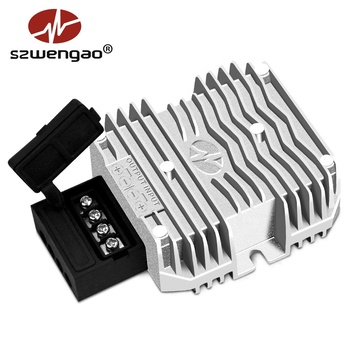
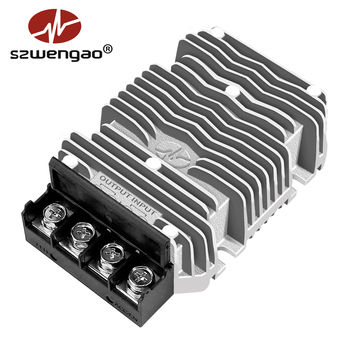
Smart 36V 13A Waterproof LiFePO4 Charger (12V to 43.8V Boost)
- Topology: DC-DC Step-Up Boost
- Input / Output: 9–35V DC → 43.8V DC
- Charging Current: 13A Continuous CC/CV
- Target Systems: 36V Trolling & Propulsion
Precision-calibrated CC/CV charging curves for LiFePO4, AGM, and Gel chemistries. Built to resist brackish Delaware Bay salt fog, freeze-thaw thermal stress, and marina AC grid sags.
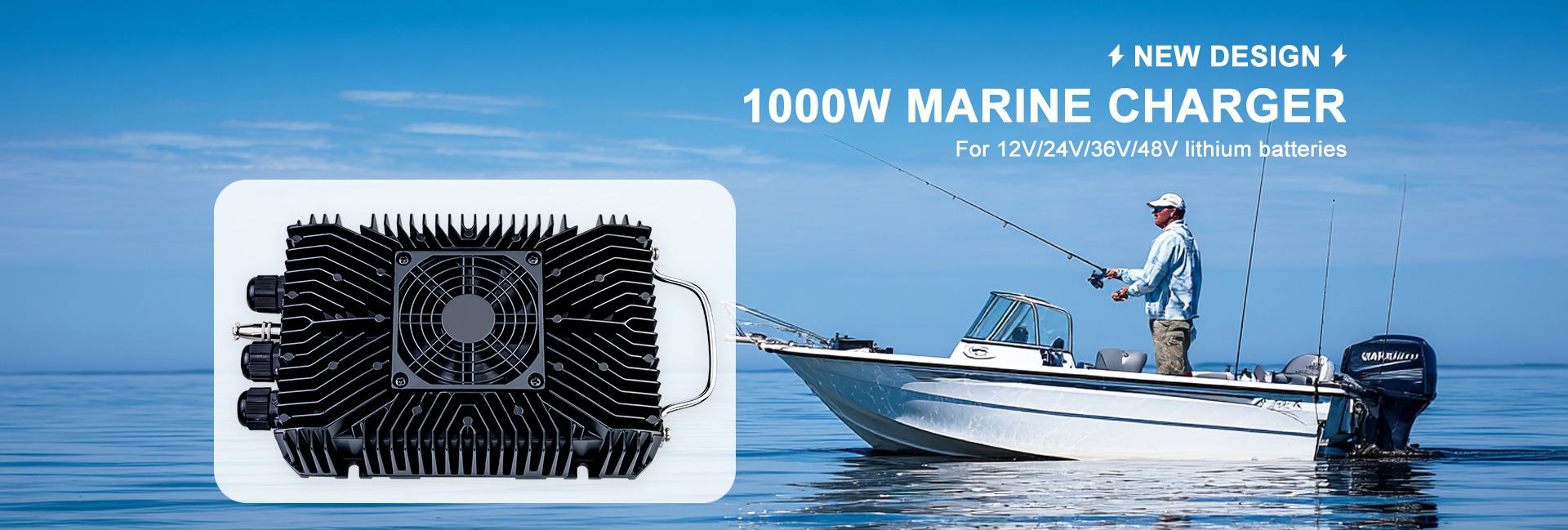
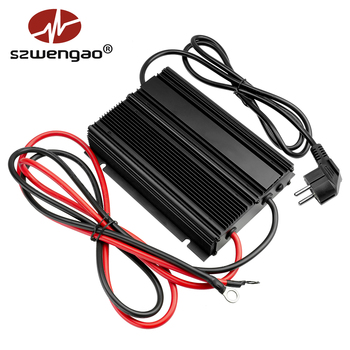
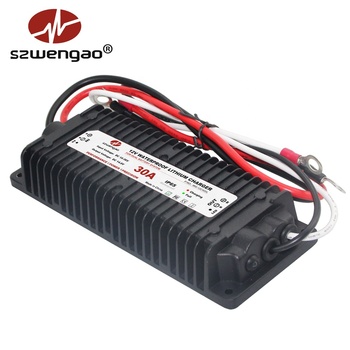
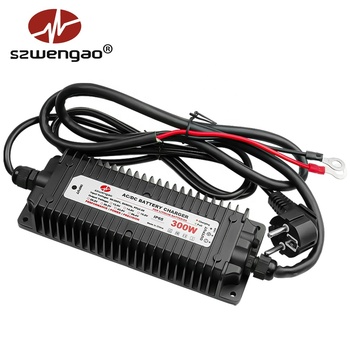

The maritime corridor encompassing the Port of Philadelphia (PhilaPort), the tidal Delaware River, the Schuylkill navigation cuts, and down into the brackish waters of Delaware Bay presents a grueling operational crucible for marine electrical distribution systems. Vessels navigating between freshwater river moorings at Penn's Landing and saline maritime routes off Cape May encounter severe environmental factors: rapid galvanic potential swings, ambient dockside humidity exceeding 90%, summer engine-room ambient temperatures topping 55°C (131°F), and severe winter freeze cycles.
Shenzhen Eltrum Electronic Co., Ltd. engineers and exports marine battery chargers, DC-DC alternator charging regulators, and galvanic isolators that solve these precise engineering constraints. Rather than relying on commercial consumer electronics retrofitted with silicone spray, Eltrum supplies true maritime-grade converters manufactured under ISO 9001 quality systems, featuring solid vacuum epoxy potting, military-spec thermal interfaces, and harmonic-free multi-stage charge controllers that comply rigorously with American Boat and Yacht Council (ABYC) E-11 standards.
From commercial cargo handling along the PhilaPort terminals to rowing club launches on Boathouse Row, maritime operations require power conversion hardware tuned to specific duty cycles.
Continuous heavy-duty tugboats maneuvering oil barges and container ships along the Delaware River require uninterrupted 24V and 12V auxiliary DC control buses. Our 1000W IP65 chargers and heavy-current buck converters (24V to 12V up to 100A) maintain bridge electronics, VHF transceivers, and AIS navigation units without thermal trip-outs, even during 24/7 turnaround cycles in dense diesel engine rooms.
Marinas like Philadelphia Marine Center and Corinthian Yacht Club host yachts transitioning from older AGM battery banks to high-energy LiFePO4 house systems. Eltrum's 400W–1500W battery-to-battery (DC-DC) chargers allow high-output marine alternators to fully recharge 12V/24V house lithium banks without scorching stator coils or tripping internal engine regulators.
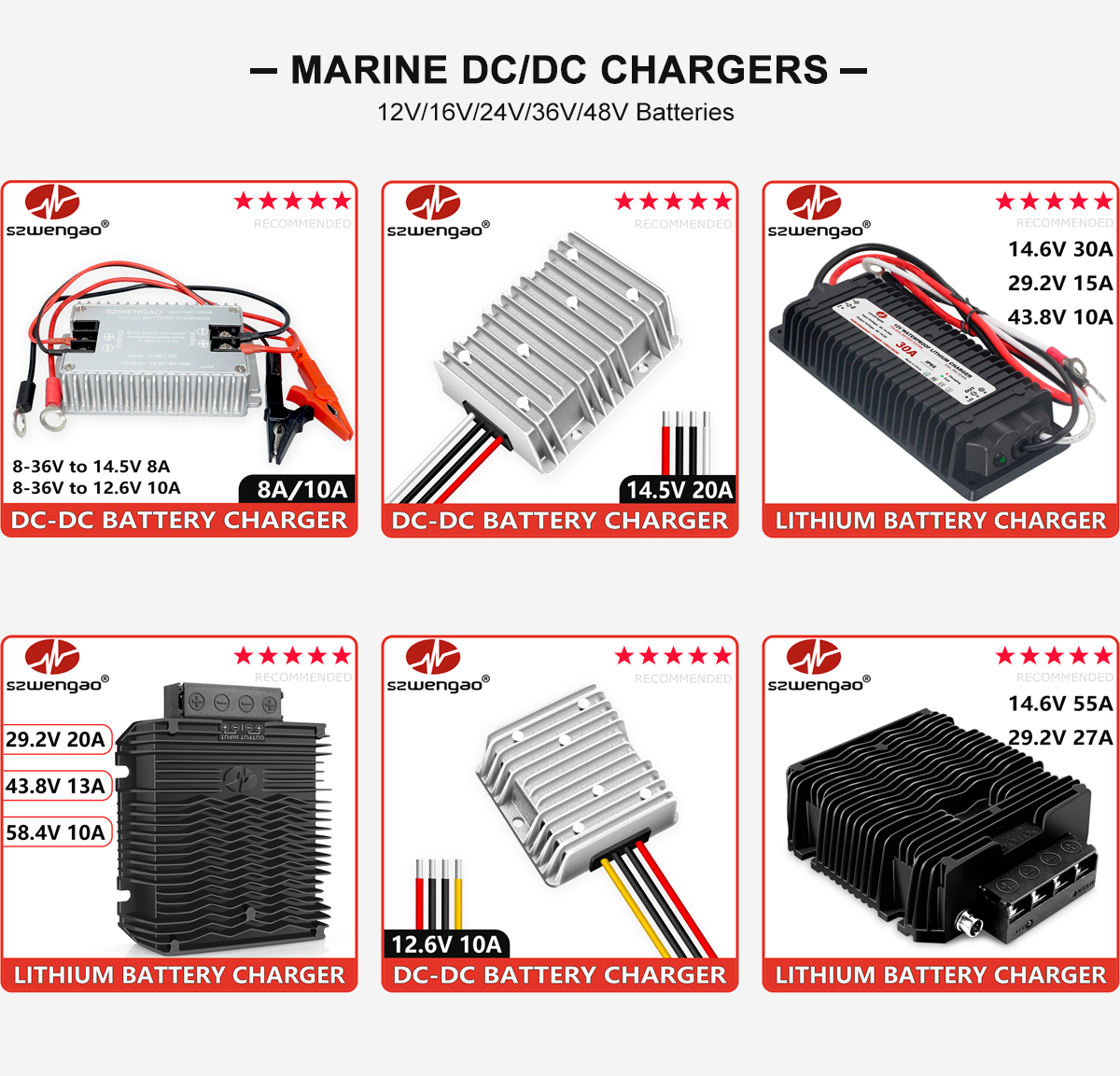
Low-wake environmental monitoring crafts operated by regional authorities, alongside rowing coaching launches around Boathouse Row, are rapidly adopting zero-emission electric outboards. Our smart 36V 13A boost chargers and 48V DC regulators deliver high-speed, silent recharge turnaround from trailer auxiliary batteries or portable generators.
Pennsylvania winters routinely freeze the freshwater sections of the upper Delaware. Lead-acid batteries self-discharge and freeze, cracking cases, while lithium banks require precise temperature monitoring to prevent sub-zero charging damage. Eltrum marine chargers provide cold-temperature low-current standby maintenance, preserving multi-thousand-dollar battery assets across 5-month storage periods.
Charter sportfishermen operating out of Delaware River tributaries and heading into Delaware Bay run extensive 36V bow trolling motors, 12V downriggers, radar displays, and refrigeration banks. Eltrum multi-bank waterproof chargers allow vessels to fully recover stored ampere-hours overnight from erratic dockside shore power lines without tripping shore GFCIs.
Engineering shifts driven by state clean energy mandates, battery chemistry evolution, and smart telemetry across the Mid-Atlantic seaboard.
Yacht builders, refit yards, and commercial tug operators in the Philadelphia-Camden port complex are aggressively retiring heavy flooded lead-acid and AGM battery banks in favor of Lithium Iron Phosphate (LiFePO4). With triple the usable depth of discharge (DoD) and a 70% weight reduction, LFP banks demand intelligent chargers capable of delivering true constant current up to 99% state-of-charge without voltage overshoot.
Many heritage marinas along the Delaware River suffer from severe AC voltage drops during peak summer months when vessel air conditioning systems overload dock substations. When input AC drops to 95V AC, standard battery chargers burn out or shut down. Eltrum's 90–265V wide-input PFC front-end architecture ensures full rated wattage output even when shore pedestals experience severe voltage sag.
Modern vessel refitters demand bidirectional communication between the vessel master display, battery management systems (BMS), and power conversion hardware. Eltrum's WG-12C800M and 1500W converter series incorporate RS485 / Modbus protocols, allowing real-time monitoring of charging current, heat-sink thermals, and fault registers directly on vessel digital switching consoles.
Founded in 2015, Shenzhen Eltrum Electronic Co., Ltd. is a dedicated manufacturer of high-efficiency DC-DC converters, AC-DC smart battery chargers, and custom power switching modules. Operating from our 3,000 m² ISO 9001 certified manufacturing plant in Shenzhen, we oversee every engineering phase—from high-frequency magnetic winding and surface-mount technology (SMT) assembly to automated vacuum silicone potting and full-load burn-in screening.
While standard consumer chargers fail within months when exposed to salty river moisture, Eltrum units are engineered for marine longevity. Our products are exported to over 130 countries worldwide, with a strong footprint across East Coast maritime hubs in the United States, Europe, and Australia.
Prevent electrical bus brown-outs, alternator diode failure, and ground current electrolytic degradation by selecting the right circuit topology.
Condition: Vin consistently higher than Vout.
Marine Use: Stepping down 24V or 48V main propulsion or house battery banks down to clean 12V or 13.8V for bilge pumps, chartplotters, and LED navigation arrays.
Condition: Vin consistently lower than Vout.
Marine Use: Charging high-voltage 24V, 36V, or 48V electric trolling motors and bow thruster banks directly from the standard 12V engine alternator bus during transit.
Condition: Vin fluctuates above and below Vout.
Marine Use: Stabilizing a true 12.0V or 24.0V bus for delicate radar and sonar gear while lead-acid or LFP battery banks swing from 10.5V (cranking sag) to 14.6V (bulk charging).
Condition: DC input and output grounds must be isolated.
Marine Use: Eliminates dangerous ground loops that corrode through-hull fittings and drive running gear, while preventing electrical noise from corrupting fishfinders.
Everything procurement officers, shipyard electrical superintendents, and marine distributors need to know about specifications, certifications, and delivery.